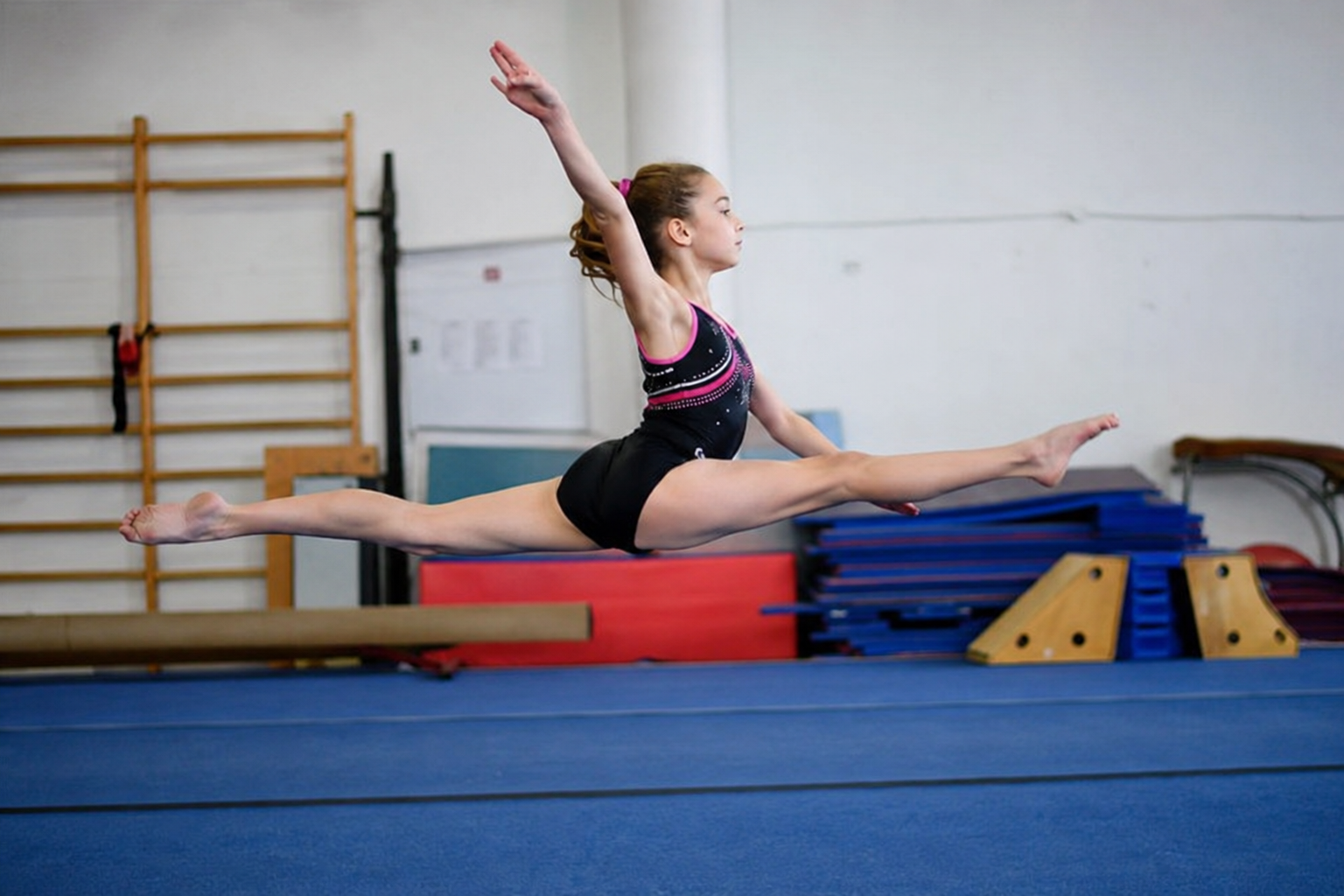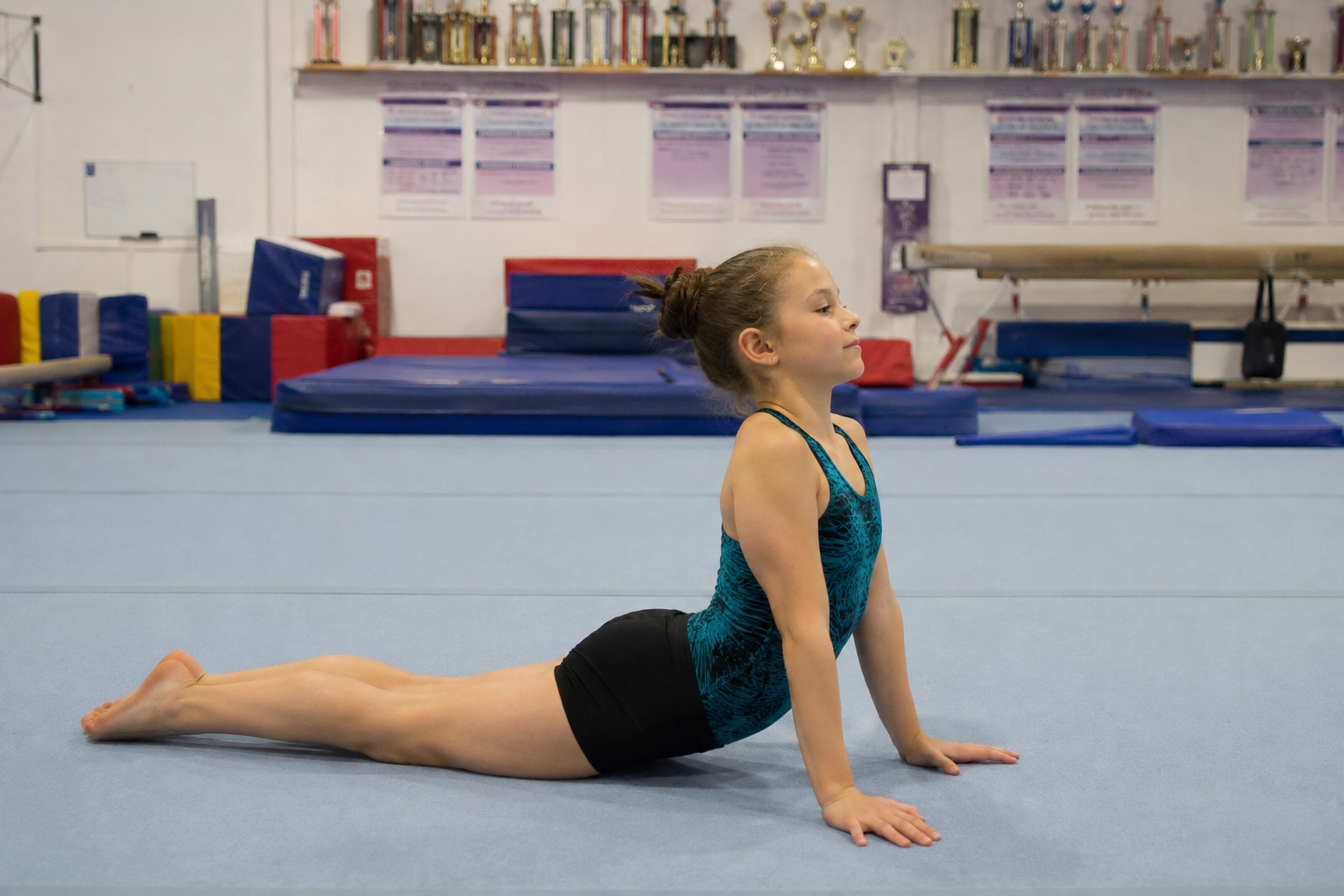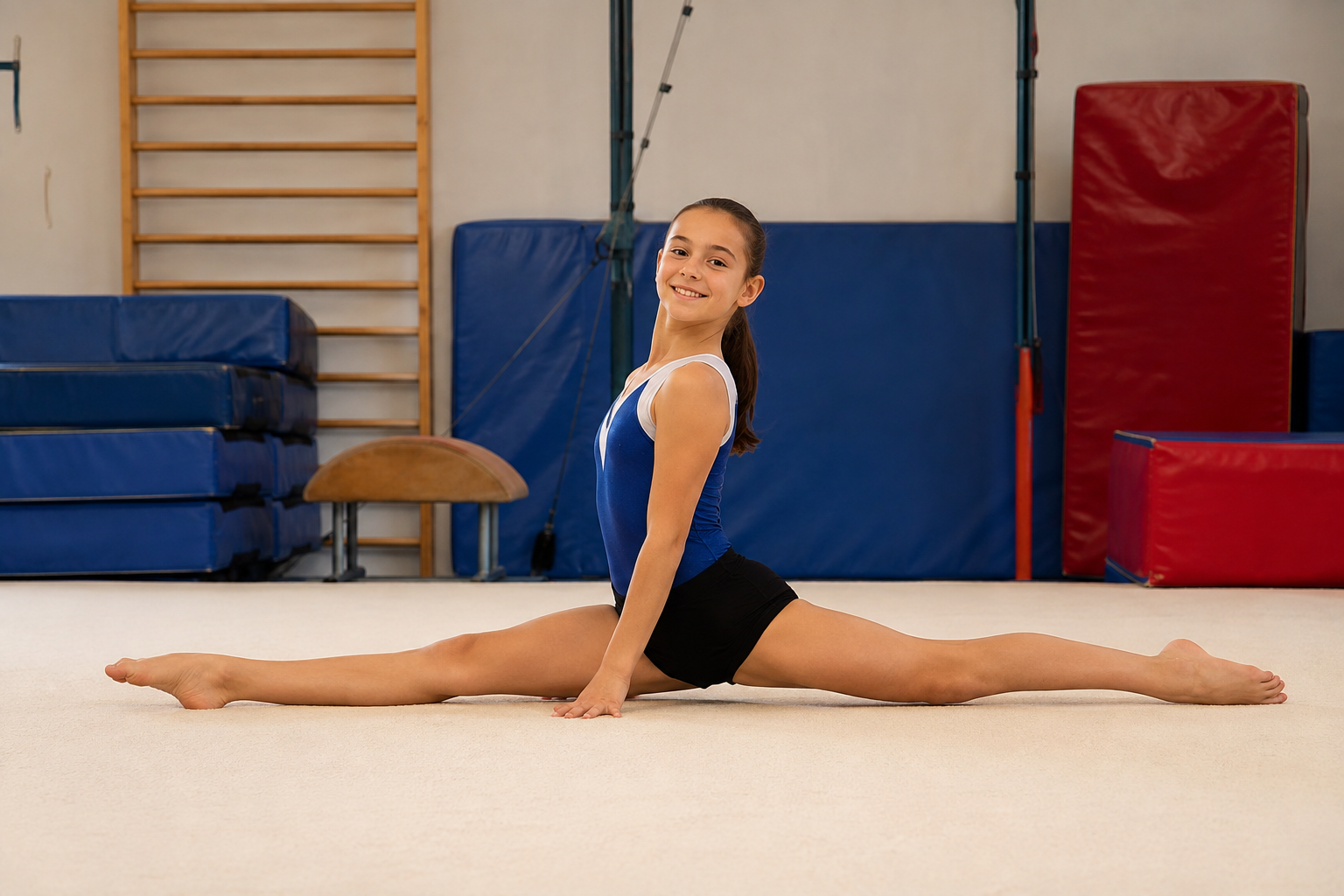
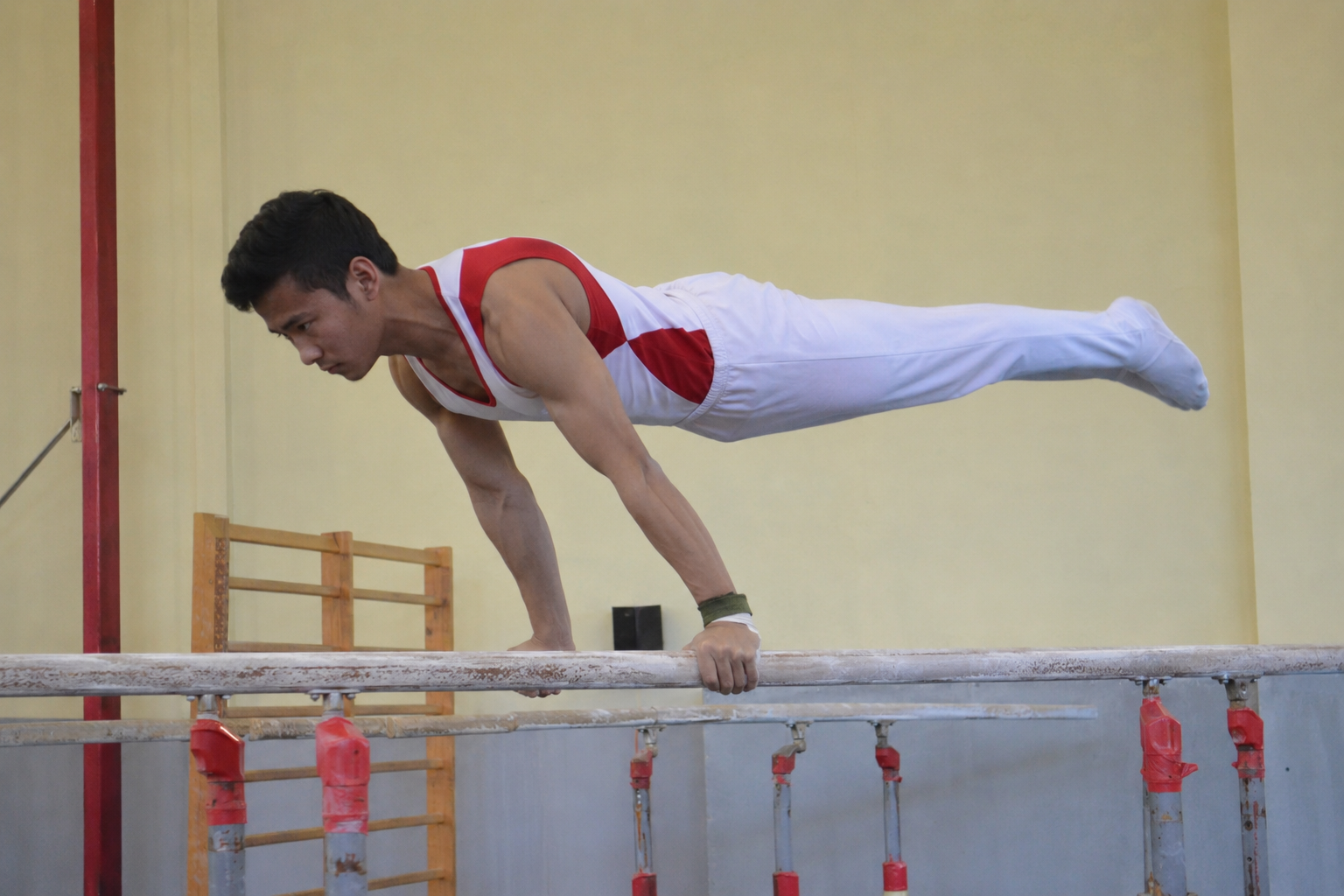
Gymnastics is often seen as a sport that focuses on flexibility, balance, and impressive body movements. However, gymnastics is also an excellent way to build strength and develop muscle. Many gymnastics skills require the body to control its own weight while moving through different positions. This makes gymnastics for strength and muscle development a useful training method for beginners, athletes, and anyone who wants to become stronger without depending only on traditional gym machines.
Gymnastics training can improve upper body strength, core strength, leg power, grip strength, and overall body control. Exercises such as push ups, pull ups, dips, handstands, squats, lunges, and hanging movements can train several muscle groups at the same time. With regular practice and proper technique, gymnastics can help create a strong, balanced, and athletic body.
How Gymnastics Builds Strength
One of the biggest advantages of gymnastics is bodyweight resistance. Instead of lifting a dumbbell or barbell, gymnasts usually use their own body weight as resistance. This requires the muscles to work together to stabilize and move the body.
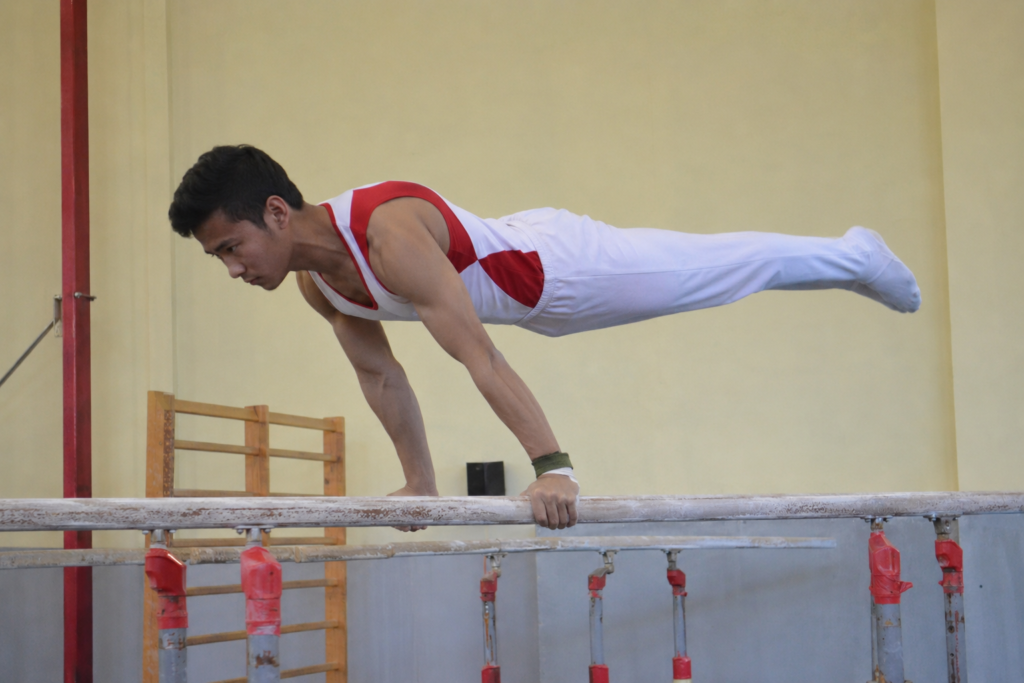
For example, a pull up requires the back, shoulders, arms, and core to work together. A handstand requires strong shoulders, wrists, arms, and abdominal muscles. A planche requires significant upper body and core strength because the body must remain controlled while supported mainly by the hands.
Gymnastics strength training can also be adjusted according to fitness level. Beginners can start with easier movements and gradually progress to more difficult variations. This allows muscles to become stronger over time without rushing into advanced skills.
Upper Body Muscle Development
Gymnastics is especially effective for developing upper body strength. Many gymnastics movements involve pushing, pulling, holding, and supporting the body.
Pull ups are one of the best gymnastics exercises for the back and arms. They work the lat muscles, biceps, shoulders, and grip. Beginners who cannot perform a full pull up can start with assisted pull ups or controlled hanging exercises.
Push ups are another simple but effective movement. They train the chest, shoulders, triceps, and core. As strength improves, athletes can progress to more challenging versions such as diamond push ups, decline push ups, and explosive push ups.
Dips are also useful for building the chest, shoulders, and triceps. They can be performed on parallel bars or other stable equipment designed for exercise. Good technique is important because poor positioning can place unnecessary stress on the shoulders.
Core Strength Through Gymnastics
A strong core is essential for gymnastics. Almost every gymnastics skill requires the abdominal muscles and lower back to stabilize the body.
Exercises such as hollow body holds, arch holds, hanging knee raises, leg raises, and L sits can develop powerful core muscles. These exercises are different from many traditional abdominal exercises because they teach the body to stay stable while the arms and legs are positioned in challenging ways.
Hollow body holds are particularly useful for beginners. The athlete lies on the back and lifts the shoulders and legs slightly from the floor while keeping the abdominal muscles tight. This position teaches body control and can help prepare the athlete for more advanced gymnastics skills.
A strong core does more than improve appearance. It helps transfer force between the upper and lower body and improves balance during difficult movements.
Leg Strength and Muscle Development
Although gymnastics often receives attention for upper body skills, strong legs are also important. Jumping, landing, running, tumbling, and balancing all require lower body strength.
Bodyweight squats are a good starting exercise for developing the thighs, hips, and glutes. Lunges can improve single leg strength and balance. Calf raises can strengthen the lower legs and support better jumping and landing control.
Jump training can also improve explosive strength. Exercises such as squat jumps and controlled box jumps can help athletes develop power. However, beginners should focus on landing safely and controlling every movement before increasing intensity.
Gymnastics does not necessarily produce the same type of muscle growth as heavy bodybuilding workouts. Instead, it often develops functional muscle that helps the body move efficiently and maintain control.
Gymnastics Exercises for Strength
There are many gymnastics exercises that can be included in a strength training routine. Some of the most useful options include push ups, pull ups, dips, squats, lunges, hollow body holds, hanging leg raises, handstand holds, L sits, and bodyweight rows.
Push ups are useful for pressing strength. Pull ups improve pulling strength. Squats and lunges train the legs. Hollow holds and L sits develop core strength. Handstand practice improves shoulder strength and balance.
The key is not to perform every exercise at once. A better approach is to choose a few movements that train different areas of the body and perform them consistently.
For example, a beginner workout could include three sets of push ups, three sets of bodyweight squats, assisted pull ups, lunges, hollow body holds, and a short handstand practice session. The number of repetitions should depend on the person’s current fitness level.
Progressive Overload in Gymnastics
Progressive overload is important for muscle and strength development. The muscles need a gradually increasing challenge to continue adapting.
In traditional strength training, progressive overload often means adding more weight. In gymnastics, progression can happen in several different ways.
An athlete can increase repetitions, hold a position for a longer time, improve movement control, reduce assistance, or move toward a harder exercise variation.
For example, a beginner may start with incline push ups. After becoming stronger, the athlete can move to regular push ups and later to more difficult variations. The same principle can be applied to pull ups, handstands, L sits, and other gymnastics movements.
Progression should be gradual. Trying an advanced skill before developing the required strength can increase the risk of poor technique and injury.
Gymnastics and Functional Strength
Functional strength means being able to use strength effectively during movement. Gymnastics is excellent for this because the body rarely works in isolation.
During a gymnastics skill, several muscles may contract at the same time to stabilize the body. This develops coordination along with strength.
For example, a handstand requires the shoulders to support the body while the core controls the position and the wrists help maintain balance. A pull up requires the back and arms to pull the body upward while the core prevents unnecessary movement.
This combination of strength, balance, coordination, and control makes gymnastics useful for developing overall athletic ability.
Importance of Flexibility and Mobility
Strength is important, but gymnasts also need enough flexibility and mobility to perform movements correctly. Tight muscles can make certain skills difficult and may affect technique.
A proper warm up before training can prepare the muscles and joints for movement. Dynamic movements such as arm circles, light jogging, controlled leg swings, and gentle bodyweight exercises can be useful before strength training.
Stretching can also be included after training or during separate flexibility sessions. The goal is to develop useful mobility while maintaining strength and control.
Rest and Recovery
Muscles need recovery to become stronger. Training hard every day without enough rest can reduce performance and make it harder for the body to recover.
Sleep, proper nutrition, hydration, and rest days are all important parts of gymnastics strength training. Beginners should pay attention to signs of excessive fatigue and avoid training through sharp or unusual pain.
Protein rich foods can support muscle repair, while carbohydrates provide energy for training. A balanced diet containing vegetables, fruits, whole grains, protein sources, and healthy fats can support overall performance.
Common Mistakes to Avoid
One common mistake is focusing only on advanced gymnastics skills. Difficult skills can look impressive, but they require a strong foundation. Beginners should first develop basic strength and movement control.
Another mistake is using poor technique to complete more repetitions. Quality is usually more valuable than quantity. A controlled push up is better than several rushed repetitions with poor form.
Skipping warm ups is another common problem. Preparing the body before training can help improve movement quality and readiness.
Finally, some people expect fast results. Strength and muscle development take time. Consistency is more important than trying to make progress every few days.
Benefits of Gymnastics for Muscle and Strength
Gymnastics can provide several physical benefits. It can improve muscular strength, body control, coordination, balance, flexibility, mobility, grip strength, and endurance.
It can also help athletes develop confidence because learning a difficult movement gives a clear sense of progress. Each new skill represents an improvement in strength or control.
Another advantage is that many gymnastics exercises require little equipment. Beginners can perform many movements using a mat, a pull up bar, or other basic training equipment. This makes gymnastics strength training accessible to many people.
Final Thoughts
Gymnastics for strength and muscle development is an effective way to build a strong and athletic body using controlled bodyweight movements. It can develop the upper body, core, legs, grip, balance, and coordination while teaching the body to work as one connected system.
The best results come from starting with basic exercises, using proper technique, and gradually increasing the difficulty. Push ups, pull ups, squats, lunges, hollow holds, dips, and handstand practice can all become valuable parts of a gymnastics strength routine.
With patience, consistency, good nutrition, and enough recovery, gymnastics can help improve both physical strength and overall body control. Whether the goal is better gymnastics performance, greater muscle development, or simply becoming stronger and fitter, gymnastics provides a practical and challenging way to train the entire body.