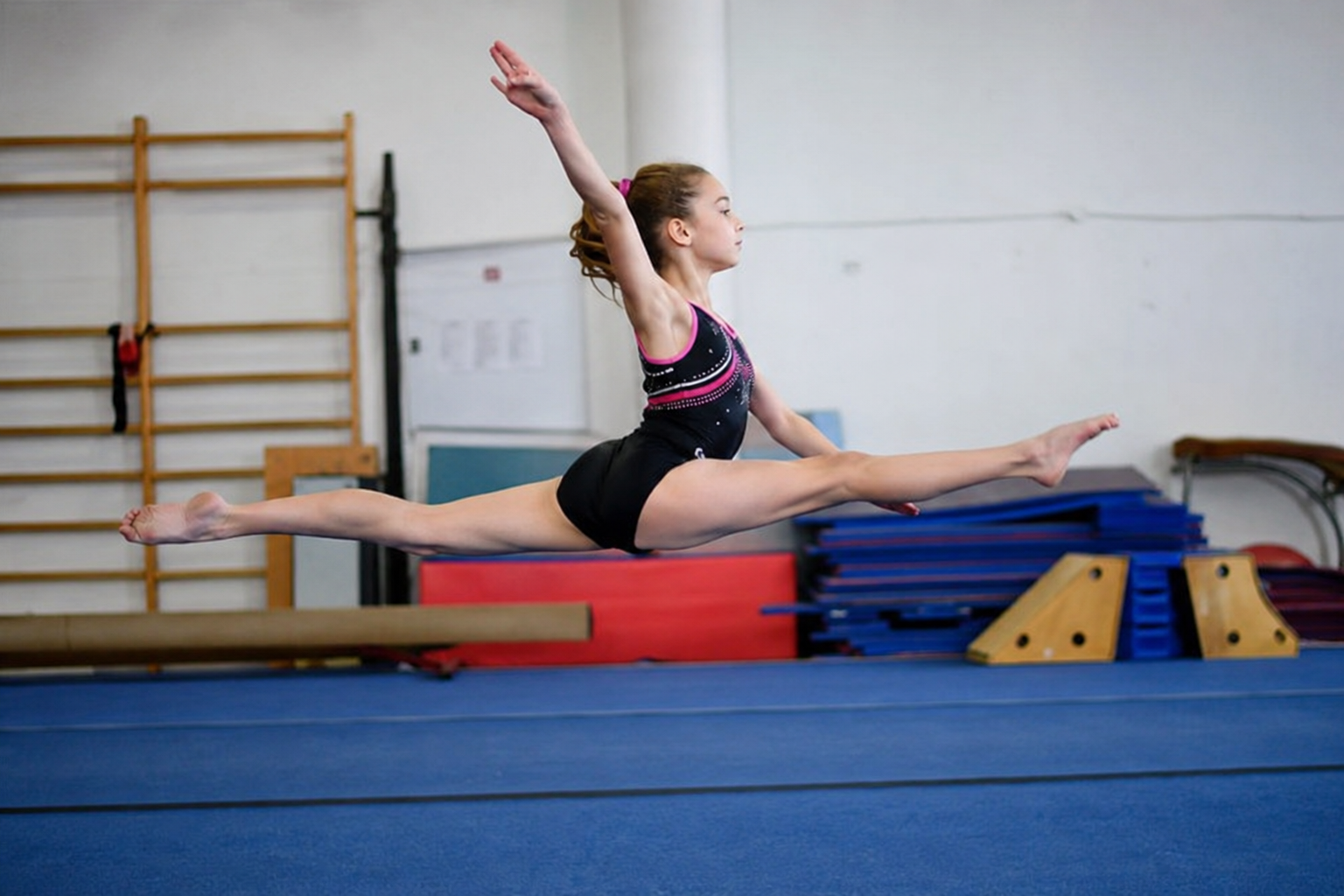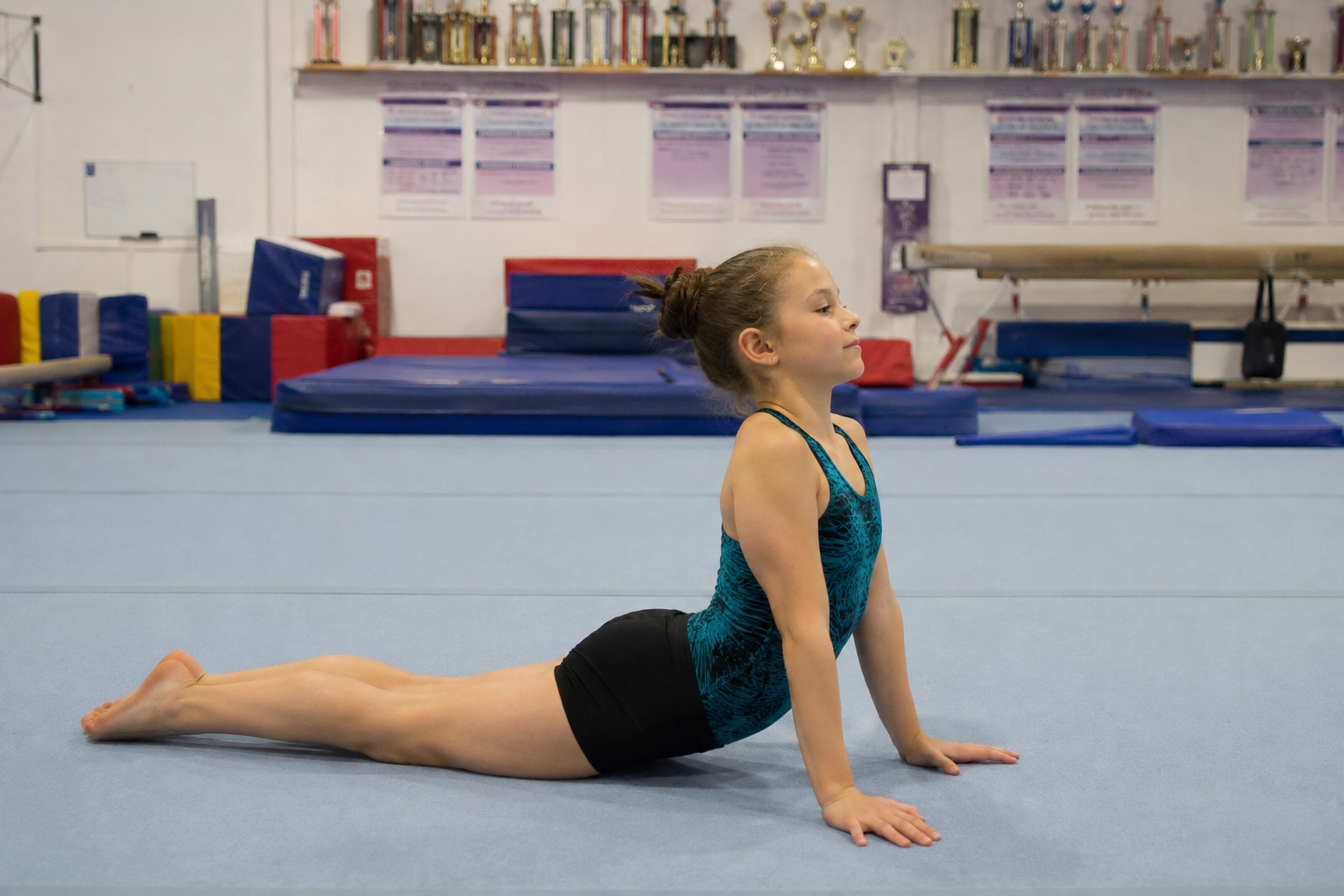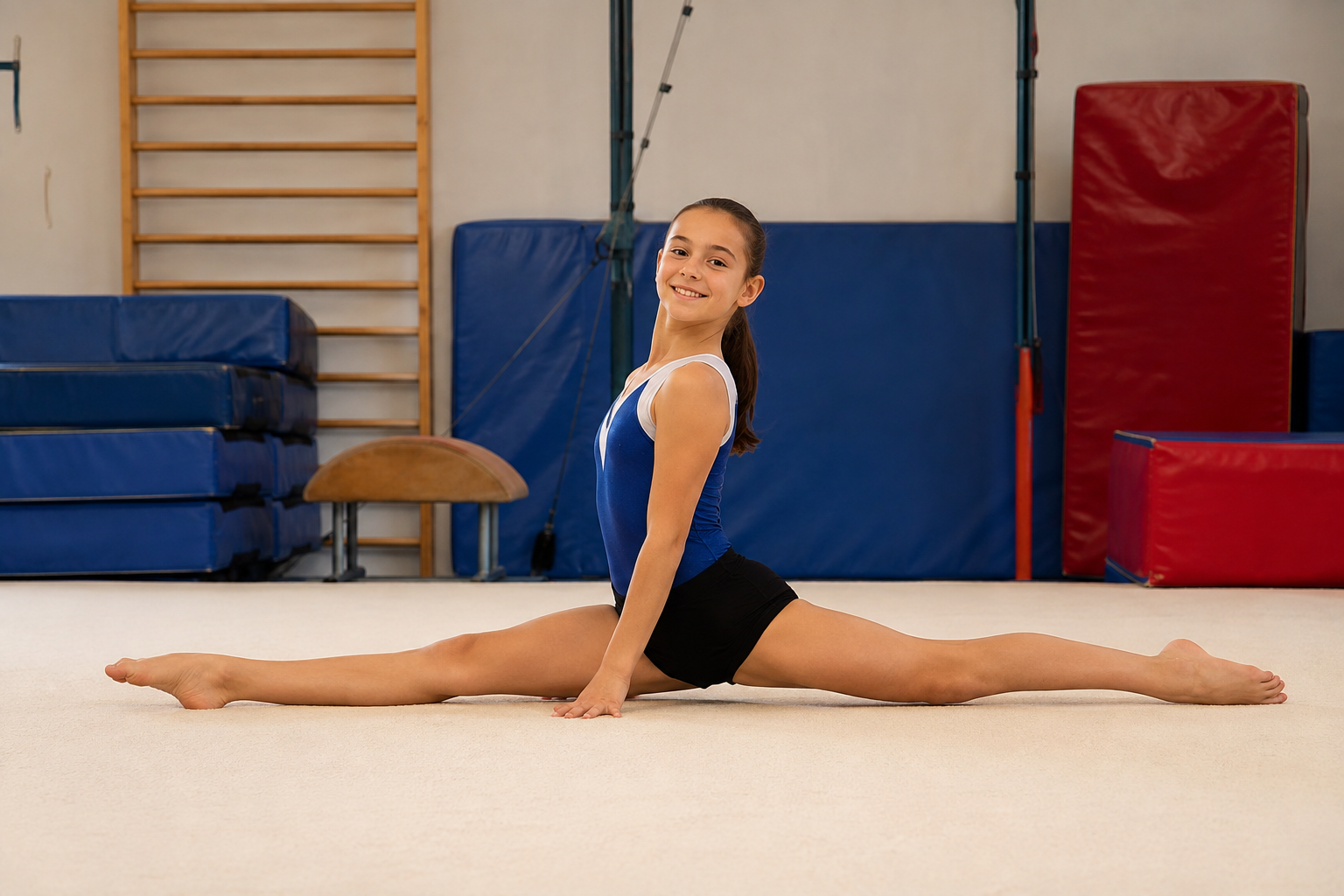
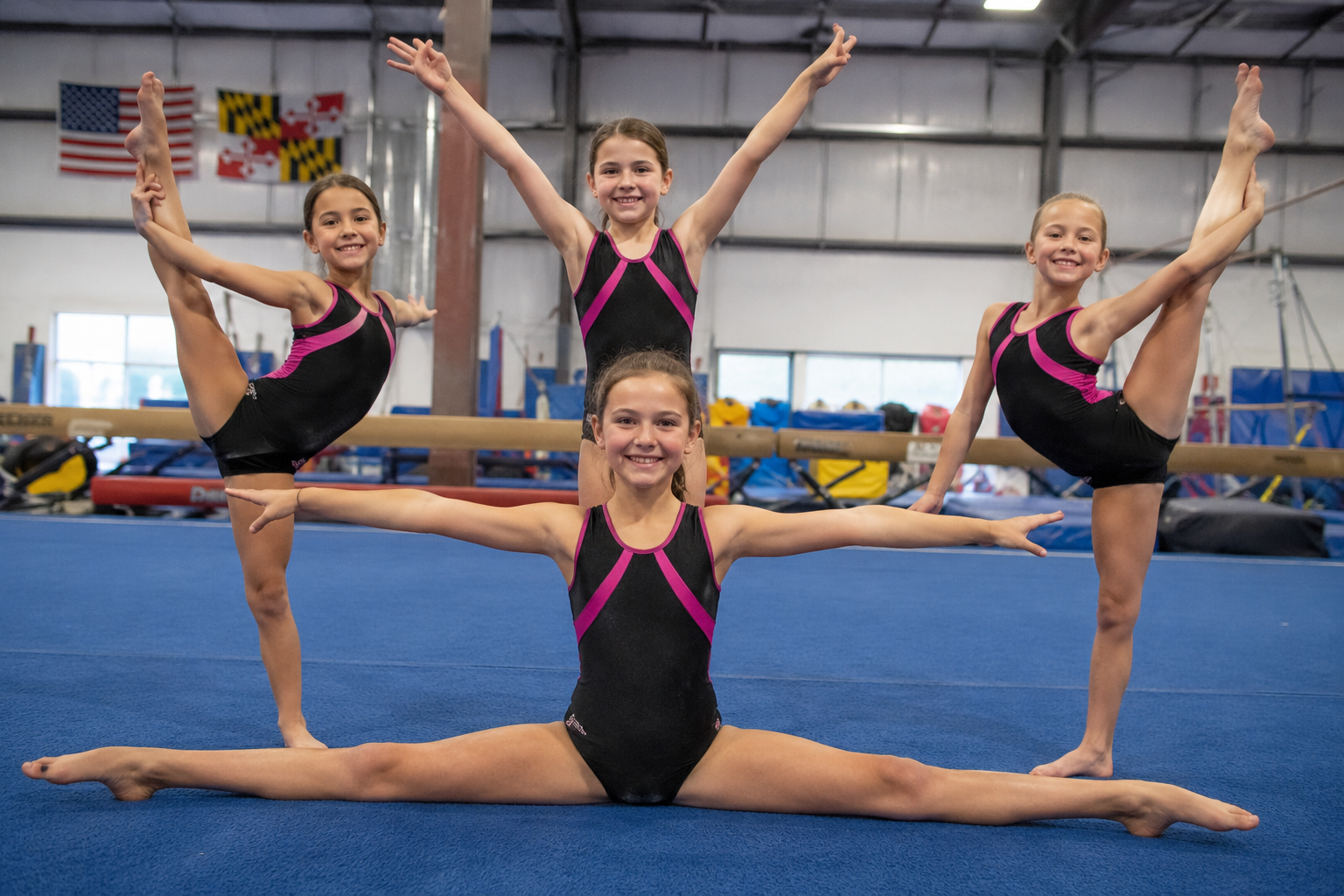
Gymnastics is one of the best activities for improving full body fitness because it uses almost every major muscle group. Many people think gymnastics is only about flips, handstands, or difficult routines, but it offers much more than that. Regular gymnastics training can improve strength, flexibility, balance, coordination, endurance, body control, and overall physical fitness.
Whether you are a beginner, a child, a teenager, or an adult, gymnastics can help you build a stronger and healthier body. The exercises used in gymnastics require the body to work together instead of focusing on only one muscle. This makes gymnastics a complete form of physical training.
What Makes Gymnastics a Full Body Workout
Gymnastics involves movements that require the arms, legs, stomach, back, shoulders, and hips to work at the same time. During a normal gymnastics session, a person may perform jumping, stretching, balancing, rolling, climbing, hanging, pushing, and landing exercises.
These movements train different parts of the body while also improving how they work together. For example, a handstand requires strong shoulders and arms, but it also needs a stable core, controlled legs, good balance, and proper body alignment.
This combination is one reason gymnastics is so effective for full body fitness. Instead of training one area separately, gymnastics teaches the entire body to become stronger and more controlled.
Gymnastics Builds Strong Muscles
One of the biggest benefits of gymnastics is improved muscular strength. Gymnasts regularly use their own body weight to perform exercises such as push ups, pull ups, handstands, support holds, squats, lunges, and hanging movements.
The upper body becomes stronger through exercises that involve pushing and pulling. The shoulders, arms, chest, and back are especially active during many gymnastics skills.
The lower body also receives a strong workout. Jumping, landing, running, squatting, and balancing exercises help strengthen the legs and hips. Strong legs are important because gymnasts need power to jump and control their movements when landing.
Gymnastics strength is also useful in everyday life. A stronger body can make activities such as lifting, carrying, climbing stairs, and maintaining good posture easier.
Gymnastics Improves Core Strength
Core strength is another important part of full body fitness. The core includes the muscles around the stomach, lower back, hips, and pelvis. These muscles help keep the body stable during movement.
Almost every gymnastics skill requires good core control. When performing a handstand, cartwheel, bridge, or jump, the core helps keep the body in the correct position.
Exercises such as hollow body holds, arch holds, leg raises, and controlled balancing movements can make the core stronger. A strong core can also improve posture and body control outside the gym.
For beginners, developing core strength can make many other gymnastics exercises easier to learn.
Gymnastics Increases Flexibility
Flexibility is essential for gymnastics and is also an important part of overall fitness. Gymnasts regularly perform stretching exercises for the legs, hips, shoulders, back, and arms.
Improved flexibility allows the body to move through a greater range of motion. It can make movements smoother and help people perform exercises with better technique.
Regular stretching may also help reduce stiffness and make everyday movements more comfortable. Flexibility does not improve overnight. It requires regular practice and patience.
A good gymnastics training routine normally includes warm up exercises before training and stretching exercises after or during the session. This helps prepare the body for movement and gradually improves flexibility.
Gymnastics Improves Balance and Coordination
Balance and coordination are two important skills that gymnastics develops naturally. Many gymnastics movements require precise control of the body.
A gymnast may need to balance on one foot, walk across a narrow surface, hold a handstand, or control the body while turning in the air. These activities train the brain and muscles to communicate more effectively.
Better coordination can also improve performance in other sports. Activities such as football, basketball, swimming, martial arts, and running all require good body control.
For children, gymnastics can be especially useful because it helps them understand how their body moves through space.
Gymnastics Supports Cardiovascular Fitness
Although gymnastics is often associated with strength and flexibility, it can also improve cardiovascular fitness. A gymnastics workout can include running, jumping, repeated skills, circuits, and continuous movement.
These activities can increase the heart rate and make the heart and lungs work harder. Over time, regular training can help improve stamina and exercise endurance.
Cardiovascular fitness is important because it helps the body perform physical activities for longer periods without becoming tired too quickly.
The intensity of gymnastics training can be adjusted according to fitness level. Beginners can start with simple movements and gradually increase the amount of activity as their fitness improves.
Gymnastics Helps Improve Body Control
Body control is one of the most valuable benefits of gymnastics. Gymnasts learn how to control their body during slow movements, fast movements, jumps, turns, and landings.
This requires concentration and practice. A person must understand where their arms, legs, head, and body should be positioned during each skill.
Better body control can improve movement quality and reduce unnecessary movements. It can also help people become more aware of their posture and physical position.
This skill is useful not only in gymnastics but also in many other physical activities.
Gymnastics Develops Explosive Power
Power means being able to produce force quickly. Gymnastics includes many movements that require explosive power, including jumps, leaps, and powerful takeoffs.
Jumping exercises train the muscles of the legs and hips to produce force quickly. Upper body movements can also develop power through pushing and pulling exercises.
Developing explosive power can help improve athletic performance. It can make jumping, sprinting, changing direction, and other fast movements more effective.
Gymnastics Can Help With Healthy Body Composition
Regular physical activity is important for maintaining a healthy body composition. Gymnastics combines strength training, movement, flexibility work, and cardiovascular activity.
Because gymnastics can be physically demanding, regular training can help the body use energy efficiently. Building muscle while staying active can also support a healthy and strong body.
However, fitness should not be measured only by body weight or appearance. Strength, energy, flexibility, endurance, balance, and overall health are also important signs of physical fitness.
Gymnastics Improves Posture
Good posture depends on strength, flexibility, and body awareness. Gymnastics can support all three areas.
Strong back and core muscles help support the body, while flexible shoulders and hips can allow better movement. Gymnastics also teaches people to pay attention to body alignment.
Learning proper alignment during gymnastics can encourage better posture during everyday activities such as sitting, walking, and standing.
Gymnastics Strengthens Bones and Joints
Weight bearing physical activities can support bone health. Gymnastics includes jumping, landing, climbing, and other movements that place controlled demands on the body.
When training is performed correctly and progressively, these movements can help develop physical strength and resilience.
Proper technique is very important. Beginners should learn movements from a qualified coach and use appropriate training surfaces. Good preparation and controlled progression can help reduce the risk of injuries.
Gymnastics Improves Mental Focus
Full body fitness is not only about physical strength. Gymnastics also requires concentration and mental discipline.
Learning a new skill can take time. A person may need to repeat the same movement many times before performing it correctly. This teaches patience and encourages people to keep working toward a goal.
Gymnastics can also improve confidence. Successfully learning a new skill can give a person a strong feeling of achievement.
How Beginners Can Use Gymnastics for Full Body Fitness
Beginners do not need to start with advanced skills. A simple routine can include a warm up, basic strength exercises, flexibility work, balance exercises, and beginner gymnastics movements.
For example, a beginner might start with bodyweight squats, lunges, push ups, planks, jumping exercises, stretching, forward rolls, and balance drills.
The key is consistency. Training regularly with proper technique is more useful than doing difficult exercises without control.
It is also important to rest. Muscles need recovery after physical training. A balanced routine should include enough sleep, proper nutrition, hydration, and rest days.
Conclusion
Gymnastics improves full body fitness by combining strength, flexibility, balance, coordination, endurance, power, and body control in one activity. It works the upper body, lower body, and core while also teaching the body to move with control and precision.
The benefits of gymnastics can be valuable for people of different ages and fitness levels. Beginners can start with simple exercises and gradually develop the strength and skills needed for more advanced movements.
If your goal is to build a strong, flexible, balanced, and active body, gymnastics can be an excellent choice. With regular practice, proper technique, and patience, gymnastics can help improve both physical fitness and confidence while making exercise more enjoyable.