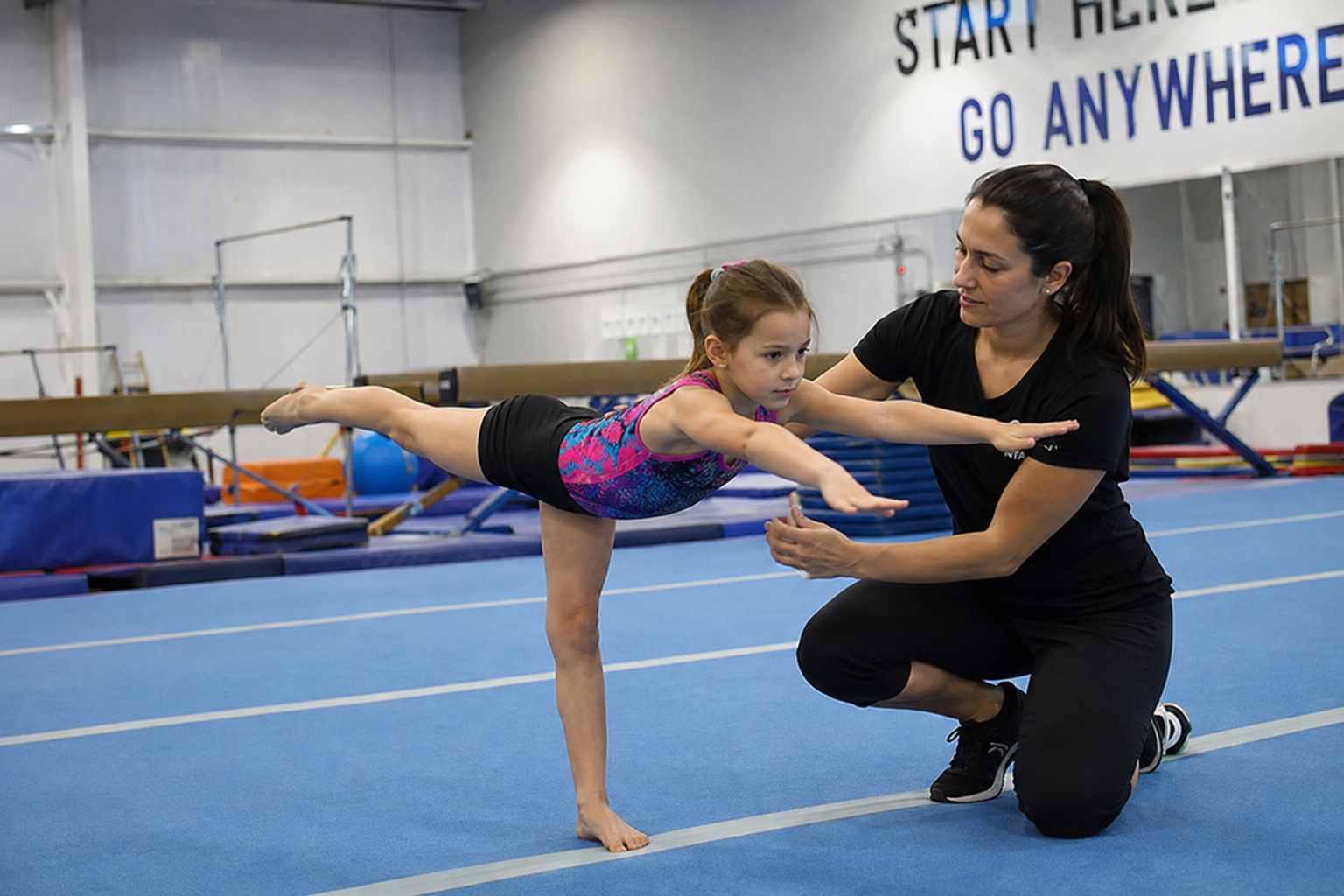
Gymnastics is an exciting sport that combines strength, flexibility, balance, coordination, and body control. Many people think gymnastics is only for children or professional athletes, but that is not true. Beginners of different ages can learn gymnastics with the right training, patience, and guidance. Starting slowly and learning the basic movements can help you build confidence while reducing the risk of injury.
If you are wondering how to start gymnastics as a beginner, the most important thing is to focus on basic skills before trying advanced movements. You do not need to be extremely flexible or strong when you begin. Your body will gradually become stronger and more flexible as you practice regularly.
What Is Gymnastics?
Gymnastics is a physical activity that involves controlled body movements, balance, strength, flexibility, and coordination. It includes different types of skills such as rolls, jumps, handstands, cartwheels, balancing movements, and eventually more advanced techniques.
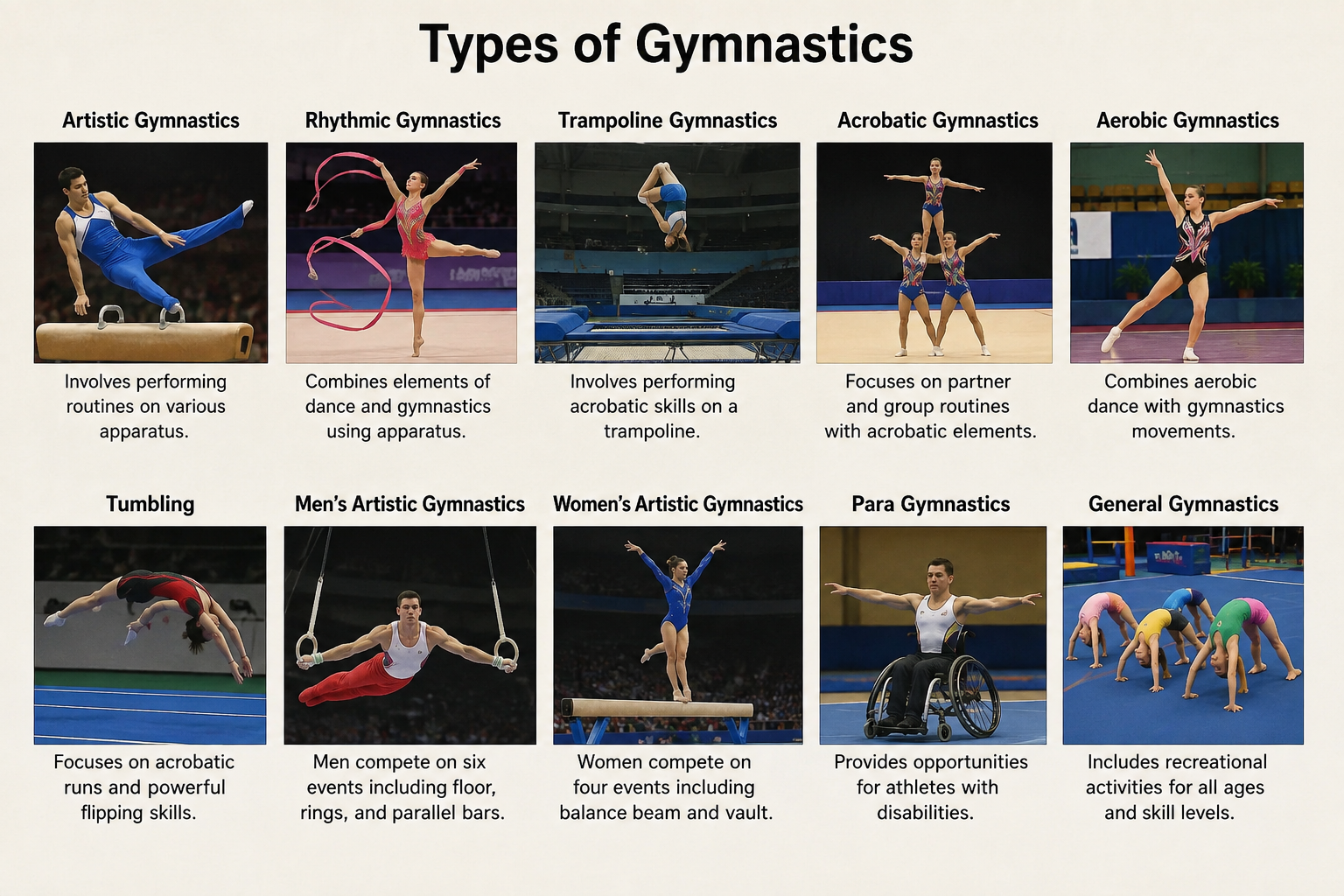
There are several forms of gymnastics, including artistic gymnastics, rhythmic gymnastics, trampoline gymnastics, and recreational gymnastics. Beginners usually start with basic recreational gymnastics because it provides a good introduction to fundamental movements.
Gymnastics can improve physical fitness while also developing concentration and confidence. It teaches you how to control your body and perform movements with proper technique.
Start With a Beginner Gymnastics Class
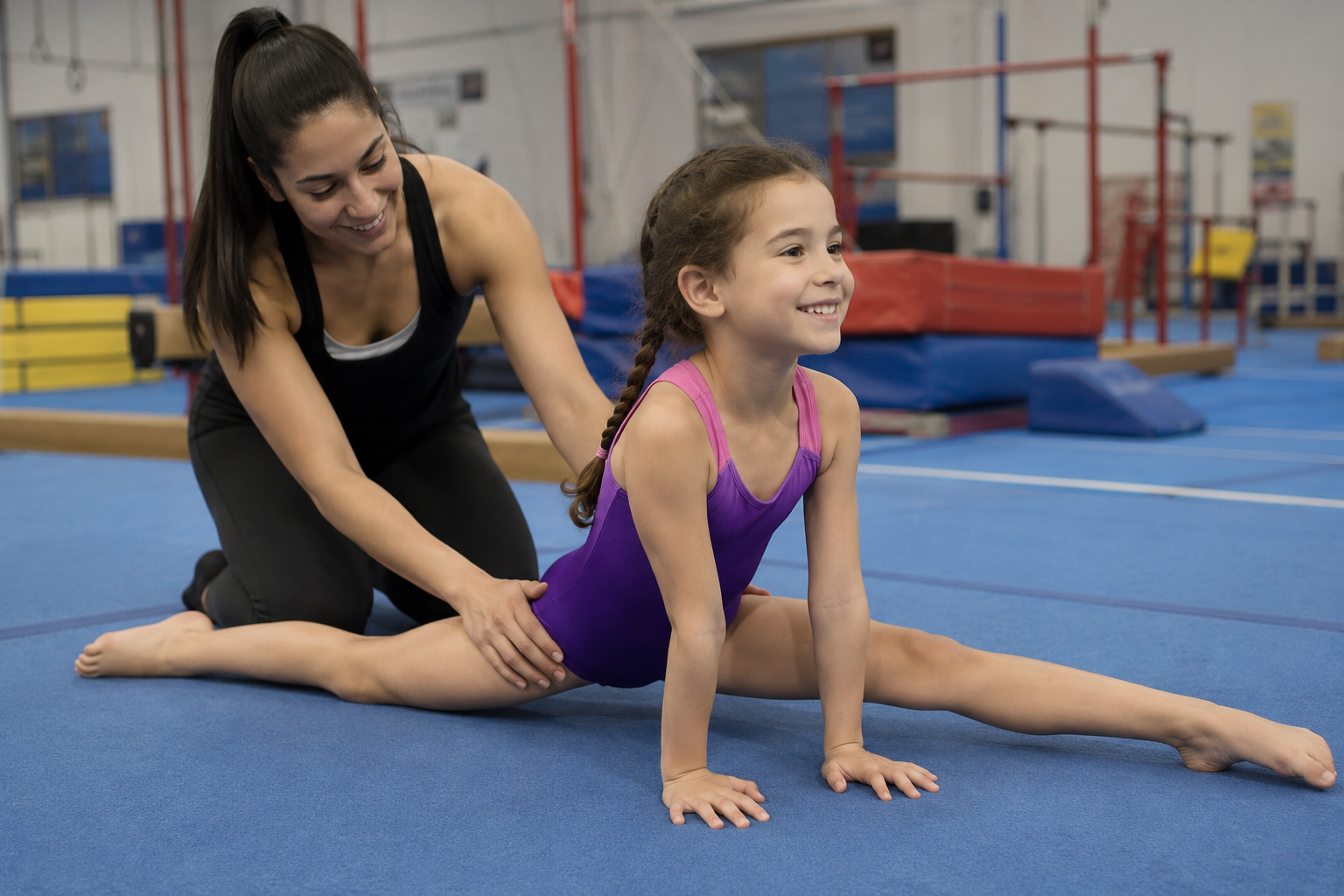
One of the best ways to start gymnastics as a beginner is to join a class designed for beginners. A qualified gymnastics coach can teach you the correct techniques and help you understand how to perform movements safely.
Look for a gymnastics club or training center that has experienced coaches and suitable equipment. Tell the coach that you are completely new to gymnastics. This allows them to choose exercises that match your current fitness and ability.
A beginner class may include stretching, basic strength exercises, balance activities, rolls, jumps, and simple floor movements. You will gradually progress as your skills improve.
Learn the Basic Gymnastics Skills
Beginners should not rush into advanced gymnastics skills. Learning the fundamentals creates a strong foundation for future progress.
Some important beginner gymnastics skills include forward rolls, backward rolls, basic jumps, landing techniques, balancing exercises, cartwheels, bridges, and handstand preparation.
The forward roll is often one of the first movements beginners learn. It teaches body control and helps you become comfortable moving across the floor.
A cartwheel is another common beginner skill. It requires coordination between your hands, arms, legs, and body. Your coach can help you practice the movement step by step before performing a complete cartwheel.
Handstands are also an important part of gymnastics. Beginners can start by practicing hand placement and body alignment with support before attempting a full handstand.
Improve Your Flexibility
Flexibility is an important part of gymnastics. Good flexibility allows you to perform movements with better range and control.
You do not need to be flexible before starting gymnastics. Regular stretching can gradually improve your flexibility. Focus on areas such as your shoulders, hips, legs, ankles, and back.
Always warm up before stretching. Light movements such as jogging, jumping, or dynamic leg swings can prepare your muscles for exercise.
Avoid forcing your body into uncomfortable positions. Flexibility improves over time, and trying to progress too quickly can cause injuries.
Build Strength for Gymnastics
Gymnastics requires good strength because many movements involve supporting, lifting, or controlling your body weight.
Beginners can develop strength with simple exercises such as squats, lunges, planks, push ups, and controlled leg raises. Exercises for the arms, shoulders, stomach, back, and legs are especially useful.
Core strength is very important for gymnastics. A strong core helps you maintain body control during handstands, jumps, rolls, and other movements.
You do not need to spend hours in the gym. Consistent training is more important than doing extremely difficult workouts. Start with exercises you can perform correctly and gradually increase the difficulty.
Practice Balance and Coordination
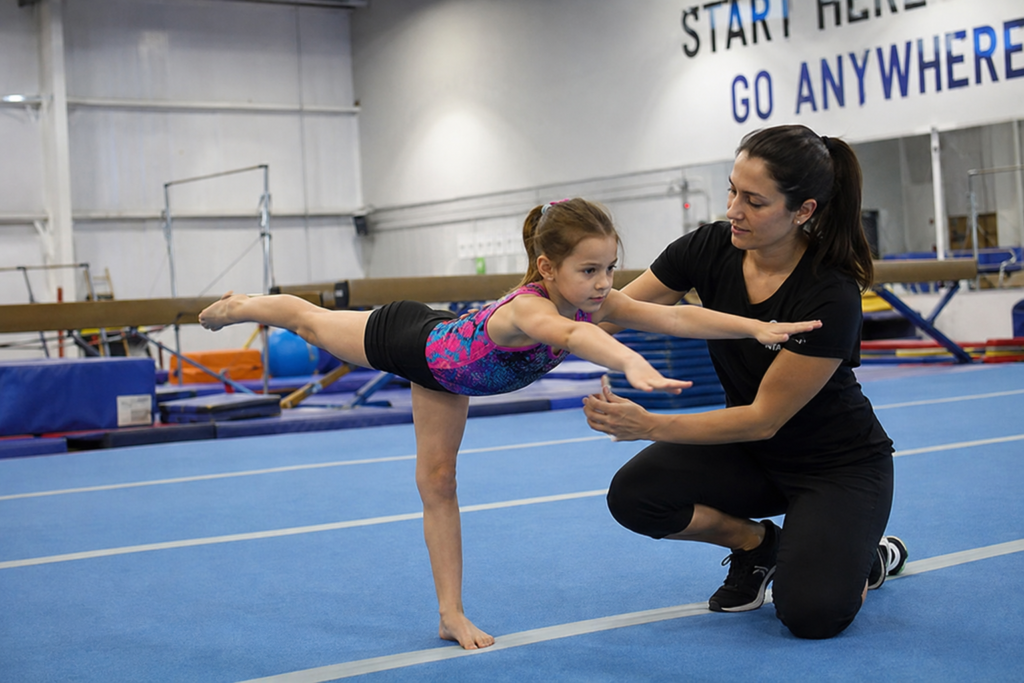
Balance and coordination are essential gymnastics skills. Beginners should spend time learning how to control their movements.
Simple balance exercises can be practiced under proper supervision. For example, you can practice standing on one foot, walking along a balance line, or holding controlled positions.
Coordination improves through repetition. When you first learn a new gymnastics movement, it may feel difficult because your brain and body are learning to work together. With regular practice, the movement becomes more natural.
Do not become frustrated if you cannot perform a skill immediately. Gymnastics requires patience and repeated practice.
Wear the Right Gymnastics Clothing
Comfortable clothing can make gymnastics training easier. Beginners usually wear fitted sports clothing that allows free movement.
Avoid clothing that is too loose because it can interfere with movements or equipment. Gymnastics is generally performed barefoot, although some training facilities may have specific requirements.
Remove jewelry and other items that could become uncomfortable or unsafe during training. Your coach or gymnastics center can tell you what clothing and equipment are appropriate.
Always Warm Up Before Training
A proper warm up should be part of every gymnastics session. Warming up prepares your muscles and joints for physical activity.
A beginner gymnastics warm up may include light jogging, arm circles, gentle jumps, leg movements, and dynamic stretches. The goal is to gradually increase your body temperature and prepare your body for training.
Never skip your warm up just because you are short on time. Proper preparation can help you move more comfortably and reduce the chance of injury.
Learn Proper Landing Techniques
Landing is one of the most important skills for gymnastics beginners. Learning how to land correctly can help protect your knees, ankles, and other joints.
When practicing jumps, beginners should learn to land with control and use their legs to absorb the impact. Your coach can teach you the correct body position and help you improve your landing technique.
Never practice difficult jumps from a height without proper supervision and suitable equipment. Gymnastics should always be learned in a safe training environment.
Practice Regularly
Consistency is one of the biggest factors in gymnastics progress. You do not need to train every day to improve.
For many beginners, attending gymnastics classes once or twice a week can be a good starting point. You can also perform simple conditioning and flexibility exercises at home if your coach recommends them.
Regular practice helps your body remember movements and gradually improves strength, flexibility, balance, and coordination.
Try to focus on quality instead of quantity. Performing a movement correctly is more valuable than repeating it many times with poor technique.
Do Not Compare Yourself With Others
Every beginner starts at a different level. Some people may naturally have better flexibility, while others may have more strength or coordination.
Comparing yourself with experienced gymnasts can make you feel discouraged. Instead, compare your current ability with your previous progress.
If you could not perform a cartwheel a few weeks ago and can now perform one with better control, that is meaningful progress.
Gymnastics is a personal journey. Focus on learning, improving, and enjoying the process.
Use Proper Safety Equipment
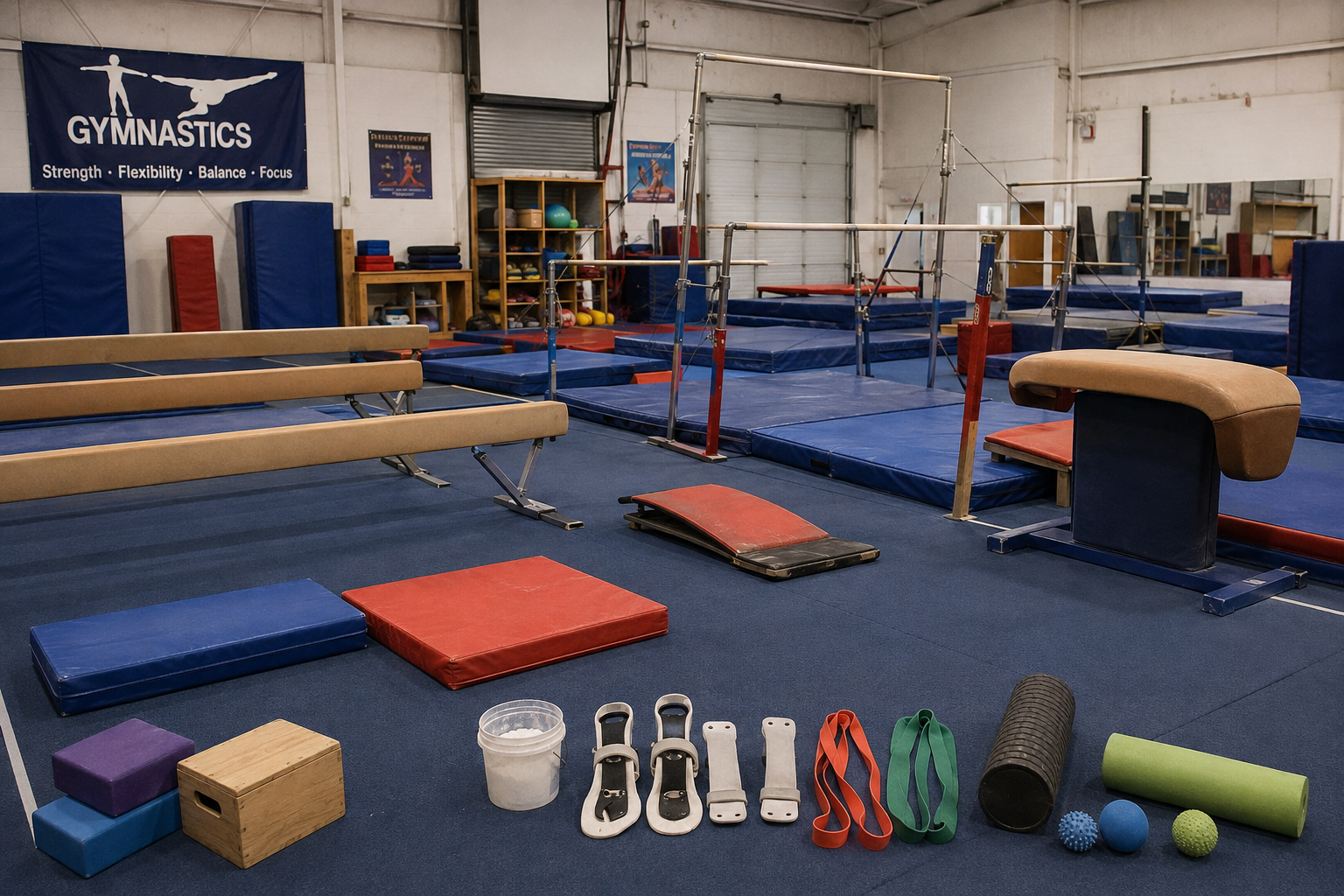
Safety equipment is an important part of gymnastics training. Mats, foam pits, spotting equipment, and other training tools help create a safer environment for learning.
Beginners should practice new skills under the supervision of a qualified coach. Avoid attempting advanced movements by yourself because you may not know the correct technique or how to recover from a mistake.
If a skill feels uncomfortable or you do not understand how to perform it, ask your coach for help. There is no reason to rush.
Set Small Gymnastics Goals
Setting realistic goals can make your gymnastics journey more enjoyable. Instead of trying to learn everything at once, choose one or two skills to focus on.
For example, your first goal could be learning a proper forward roll. After that, you might work toward a cartwheel, bridge, or supported handstand.
Small goals give you a clear direction and help you notice your progress. As you become more confident, you can gradually set more challenging goals.
Listen to Your Body
Gymnastics can be physically demanding, especially when you are new to the sport. Muscle tiredness after exercise can be normal, but sharp or unusual pain should not be ignored.
Give your body enough time to recover between training sessions. Rest, proper nutrition, hydration, and sleep can all support your progress.
If you experience an injury or persistent pain, stop the activity and seek appropriate professional advice. Training through significant pain is not a good way to improve.
Stay Patient and Enjoy Gymnastics
Learning gymnastics takes time. Some skills may take weeks or months to develop, depending on your fitness, flexibility, coordination, and training experience.
The key is to remain patient and keep practicing safely. Celebrate small improvements instead of expecting immediate results.
Gymnastics can become more than just exercise. It can improve physical fitness, confidence, discipline, coordination, and body awareness. It can also be a fun way to stay active and challenge yourself.
Conclusion
Starting gymnastics as a beginner does not require perfect flexibility, exceptional strength, or previous experience. The best approach is to begin with basic skills, join a suitable beginner gymnastics class, learn from a qualified coach, and practice consistently.
Focus on flexibility, strength, balance, coordination, and proper technique. Always warm up before training and use suitable safety equipment when learning new movements. Most importantly, avoid rushing into advanced skills before you are ready.
With patience and regular practice, beginners can gradually build their gymnastics skills and confidence. Whether your goal is general fitness or eventually learning advanced gymnastics movements, starting with the fundamentals will give you a strong foundation for long term progress.