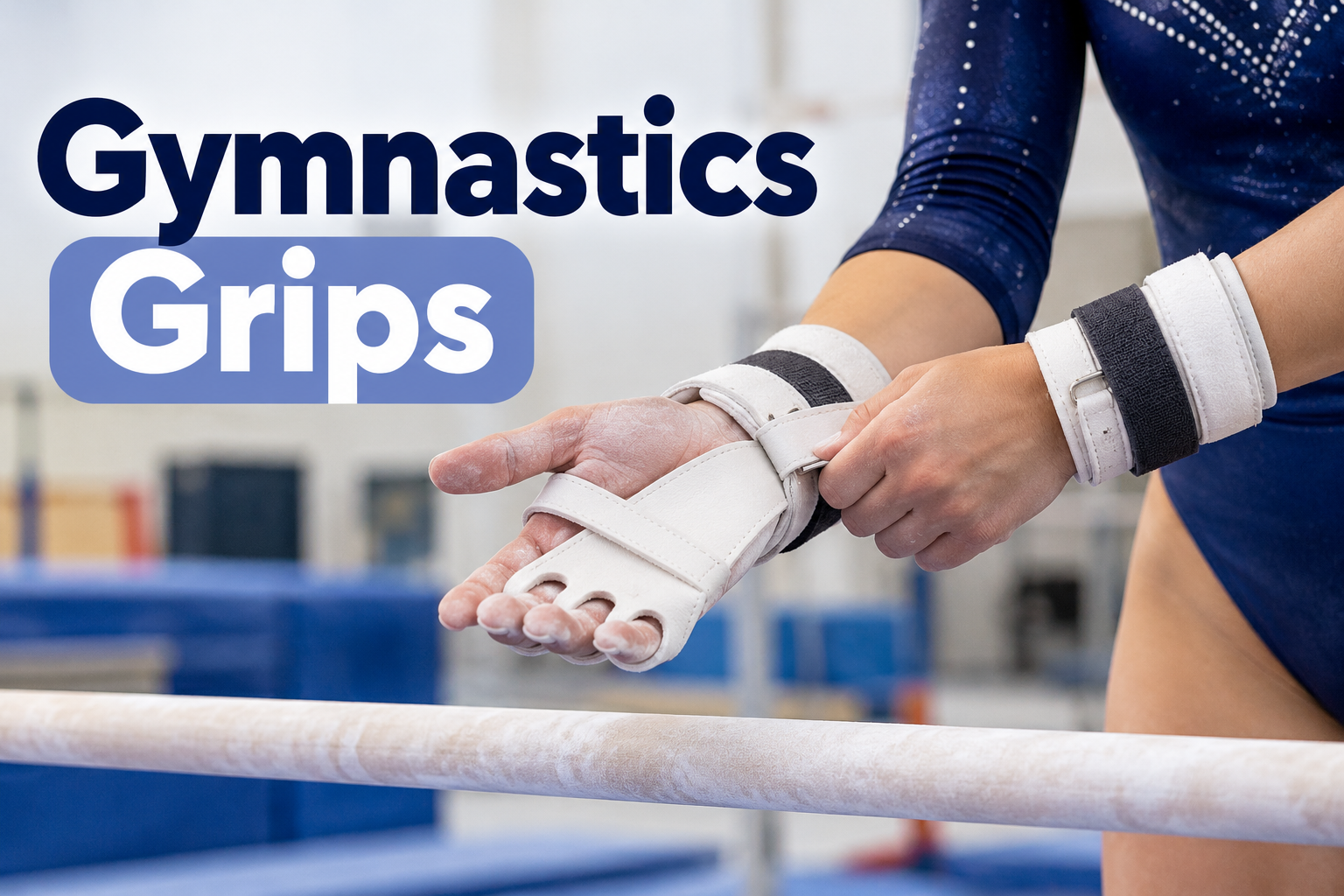
Gymnastics grips are an important piece of equipment used by many gymnasts during training and competition. They are mainly designed to protect the hands, improve grip on the apparatus, and help gymnasts perform skills with greater confidence. Grips are commonly used on the uneven bars, high bar, rings, and sometimes other gymnastics equipment depending on the athlete’s level and discipline.
For beginners, gymnastics grips may look like simple pieces of leather worn on the hands. However, they serve an important purpose. During repeated swinging, turning, and release movements, the hands experience considerable friction. Without proper protection, gymnasts may develop blisters, calluses, or painful skin tears.
Choosing the right gymnastics grips and learning how to use them correctly can make training more comfortable and effective. This guide explains what gymnastics grips are, the main types available, how they work, how to select the correct size, and how to care for them properly.
What Are Gymnastics Grips?
Gymnastics grips are protective hand coverings usually made from leather or a similar durable material. They are worn around the wrist and extend across the palm toward the fingers.
Most grips include finger holes that help keep them securely positioned on the hand. Some grips also have a raised section called a dowel. The dowel sits near the fingers and provides additional support when holding a bar or rings.
Grips are commonly secured around the wrist using either Velcro straps or buckle straps.
Their main purpose is to reduce direct friction between the gymnast’s hands and the apparatus. They also help gymnasts maintain a stronger and more consistent hold during demanding movements.
Gymnasts usually begin using grips when their training becomes more advanced and includes repeated swinging or high level bar skills.
Why Gymnasts Use Grips
Gymnastics places significant pressure on the hands, particularly during bar and ring exercises.
A gymnast may perform hundreds of swings, turns, and transitions during a single training session. This repeated contact can create friction between the skin and the apparatus.
Gymnastics grips help create a protective layer between the hand and the equipment.
One of their biggest benefits is reducing stress on the skin. Although grips cannot completely prevent blisters or rips, they can reduce the amount of direct friction experienced during training.
Grips can also help athletes maintain a more stable hold on the apparatus. During advanced skills, even a small change in hand position can affect control.
Experienced gymnasts often become comfortable with the feel of their grips and rely on them during difficult routines.
Types of Gymnastics Grips
There are several types of gymnastics grips. The correct choice depends mainly on the event being performed and the gymnast’s level.
Palm Grips
Palm grips are among the simplest types of gymnastics grips.
They usually consist of a piece of leather that covers part of the palm. They may contain finger holes and wrist straps, but they do not normally include a dowel.
Palm grips are often used by younger or beginner gymnasts who are starting to perform more bar work.
Their main purpose is to provide some protection for the palm while allowing the athlete to become familiar with wearing grips.
Dowel Grips
Dowel grips are commonly used by competitive gymnasts.
These grips contain a small cylindrical or raised section near the base of the fingers. This feature helps the gymnast create a stronger connection with the bar.
The dowel works with the gymnast’s fingers and hand position to improve grip during swinging movements.
Different styles of dowel grips are made for different gymnastics events.
Uneven Bar Grips
Female artistic gymnasts often use specialized grips for the uneven bars.
These grips normally contain two finger holes and a dowel. They are designed specifically for the shape and movement of uneven bar routines.
Gymnasts use them during skills such as giants, clear hip circles, release moves, and transitions between the bars.
Properly fitted uneven bar grips can help make repeated training more comfortable.
High Bar Grips
Male artistic gymnasts commonly wear specialized grips when performing on the horizontal bar.
High bar grips usually have three finger holes along with a dowel.
The additional finger hole provides a different type of support suited to the movements performed on the high bar.
High bar routines often involve powerful swinging movements, giant circles, releases, and catches, making secure hand positioning especially important.
Ring Grips
Still rings require a different style of grip because the apparatus is different from a bar.
Ring grips are designed to support the gymnast’s hands during both swinging and strength elements.
They often have two finger holes and a dowel, although the shape and construction may differ from grips designed for the uneven bars.
Gymnasts should always use grips designed for the specific apparatus they are training on.
How Gymnastics Grips Work
A gymnastics grip helps distribute pressure across a larger area of the hand.
When a gymnast holds a bar directly with bare hands, much of the force is concentrated on the fingers and palm.
During swinging skills, the skin may move slightly against the bar. Repeated movement can eventually cause blisters or tears.
The leather section of the grip reduces some of this direct contact.
In dowel grips, the dowel creates another point of contact with the apparatus. This can help the gymnast maintain a secure hold without relying entirely on finger strength.
However, grips do not replace proper technique.
Correct hand placement, wrist position, body control, and coaching remain essential for safe gymnastics training.
Choosing the Correct Grip Size
Proper sizing is extremely important when selecting gymnastics grips.
Grips that are too small may feel tight and uncomfortable. They can place excessive pressure on the fingers and wrists.
Grips that are too large may slide or shift during movement, which can affect control.
Manufacturers usually provide sizing charts based on hand measurements.
The measurement is often taken from the wrist crease to the base or tip of a particular finger, depending on the grip design.
Because sizing methods vary between brands, gymnasts should follow the instructions provided by the specific manufacturer.
A gymnastics coach can also help athletes determine whether their grips fit correctly.
Athletes should not assume that the same size will fit across every brand.
Breaking In New Gymnastics Grips
New leather gymnastics grips can initially feel stiff.
Before they become comfortable, they usually need a period of regular use known as breaking in.
During the first few training sessions, gymnasts may notice that the leather does not bend easily.
Over time, movement and pressure gradually make the leather more flexible.
Gymnasts should avoid trying to break in grips too quickly using aggressive methods.
Folding, soaking, heating, or damaging the leather may weaken the material.
The safest approach is usually to gradually use the grips during normal training under the supervision of a coach.
As the leather softens, the grips will begin to form around the athlete’s hands.
Using Chalk With Gymnastics Grips
Gymnasts frequently use magnesium carbonate chalk when wearing grips.
Chalk helps absorb moisture from the hands and can improve friction between the grip and the apparatus.
Sweaty hands can make a bar more difficult to hold securely. Applying a suitable amount of chalk can help keep the hands dry.
However, using excessive amounts of chalk is not always beneficial.
Too much chalk can build up on the grips and equipment.
Gymnasts should follow the rules and guidance of their gym regarding chalk use.
After training, excess chalk can be gently removed from the grips.
Caring for Gymnastics Grips
Proper care can help gymnastics grips remain in good condition.
After training, grips should be allowed to dry naturally.
Keeping damp grips inside a closed gym bag for long periods may cause unpleasant odors and deterioration of the material.
It is a good idea to remove them from the bag after training and allow air to circulate around them.
Gymnasts should avoid placing leather grips directly near heaters or using intense heat to dry them because excessive heat can damage leather.
Grips should also be inspected regularly for signs of wear.
Areas near the finger holes, straps, stitching, and dowel should receive particular attention.
When Should Gymnastics Grips Be Replaced?
Gymnastics grips do not last forever.
The lifespan of a pair depends on several factors including how frequently the gymnast trains, the intensity of the skills performed, the type of leather, and how well the grips are maintained.
Visible cracks or thinning leather can indicate that the material is becoming worn.
Damage around the finger holes or wrist straps may also suggest that replacement is needed.
A grip that feels significantly stretched compared with its original shape may no longer provide the same support.
Gymnasts should never wait until a grip completely breaks during training.
Regular inspections can help identify problems before they become serious.
If there is any doubt about the condition of a grip, the gymnast should ask a qualified coach for advice.
Gymnastics Grips and Hand Rips
Even with grips, gymnasts may occasionally experience hand rips.
A rip occurs when the upper layers of skin tear due to friction.
Calluses often develop naturally on the hands of experienced gymnasts. Although some callus formation can be normal, very thick or uneven calluses may be more likely to catch and tear.
Proper hand care can therefore be an important part of gymnastics training.
Athletes should follow guidance from their coaches regarding callus care.
If a rip occurs, the area should be cleaned and protected appropriately.
Gymnasts should avoid training through significant pain or open wounds without guidance.
Allowing the skin enough time to recover can help prevent further irritation.
Should Beginners Use Gymnastics Grips?
Not every beginner needs gymnastics grips immediately.
Many coaches prefer young gymnasts to develop basic hand strength and correct gripping technique before introducing grips.
The appropriate time depends on the athlete’s training level, the skills being performed, and the coach’s training approach.
A child who is only learning basic support positions or simple swings may not require grips.
As training progresses and the gymnast begins performing more repeated bar work, grips may become useful.
Parents should avoid purchasing advanced grips without consulting the gymnast’s coach.
The coach can usually recommend the correct type, size, and style.
Velcro Grips vs Buckle Grips
Gymnastics grips are commonly available with either Velcro wrist straps or buckle straps.
Velcro grips are convenient because they can be adjusted quickly.
Many gymnasts appreciate being able to tighten or loosen the straps easily during training.
Buckle grips use traditional metal buckles. Some athletes prefer them because they provide a consistent strap position.
Neither option is automatically better for every gymnast.
Comfort, personal preference, coach recommendations, and event requirements should all be considered.
Regardless of the fastening system, the wrist straps should feel secure without causing excessive pressure.
Importance of Proper Technique
Gymnastics grips are helpful equipment, but they cannot compensate for poor technique.
Gymnasts must still learn how to position their hands correctly on the apparatus.
Coaches teach athletes how to grip the bar, how much pressure to apply, and how to adjust the hands during different skills.
Incorrect hand positioning may increase the risk of losing grip even when high quality equipment is being used.
For this reason, new grips should always be introduced during supervised training.
Athletes need time to adjust to the different feeling created by the leather and dowel.
Keeping a Spare Pair of Grips
Competitive gymnasts may benefit from keeping a second pair of grips.
If a primary pair becomes damaged unexpectedly, having another pair available can prevent interruptions in training or competition preparation.
However, brand new grips can feel very different from well broken in grips.
Some athletes gradually break in a backup pair while continuing to use their main pair.
This allows the backup grips to become more comfortable before they are actually needed.
Both pairs should still be checked regularly for wear.
Final Thoughts
Gymnastics grips are a small piece of equipment that can play an important role in bar and ring training. They help reduce friction, protect the hands, and provide additional support during demanding gymnastics skills.
Different gymnastics events require different styles of grips, including palm grips, uneven bar grips, high bar grips, and ring grips. Choosing the correct type and size is essential for comfort and proper performance.
Gymnasts should also learn how to care for their grips, inspect them for damage, and replace them when necessary. Properly maintained equipment can make training more consistent and comfortable.
Most importantly, gymnastics grips should always be used together with correct technique and qualified coaching. They are designed to support good gymnastics habits rather than replace them.
For beginners and experienced athletes alike, understanding how gymnastics grips work can make it easier to choose the right equipment and feel more confident during training.