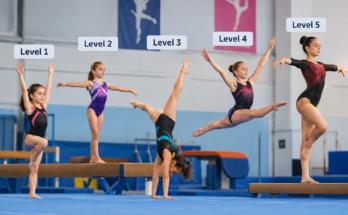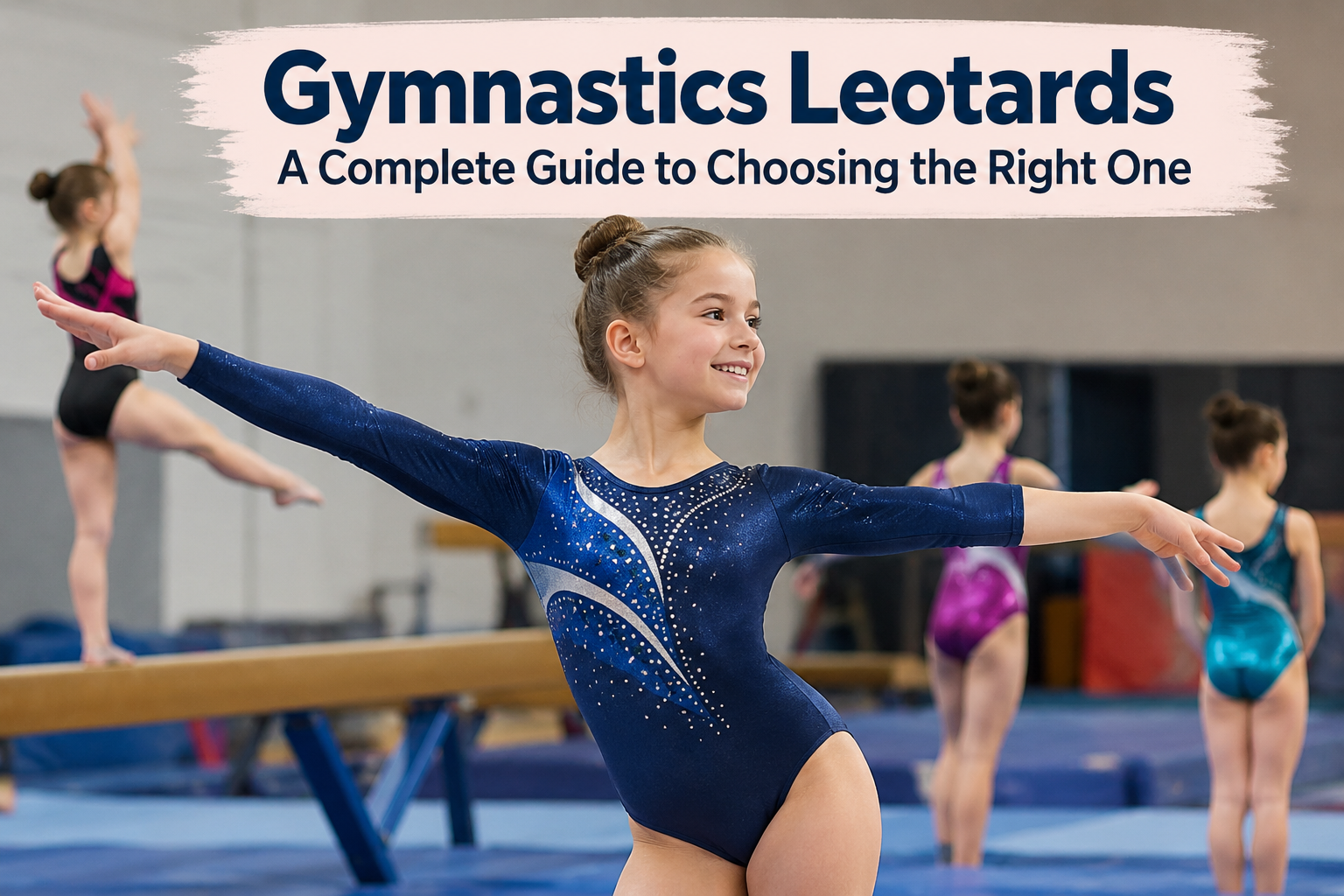
A gymnastics leotard is one of the most recognizable pieces of clothing in the sport. Whether someone is attending their first beginner class or competing at a high level, the right leotard can make a noticeable difference in comfort, movement, confidence, and performance.
Gymnastics requires flexibility, strength, balance, and precise body control. Because gymnasts move through positions that involve stretching, twisting, jumping, and rotating, their clothing must allow complete freedom of movement. A well fitted gymnastics leotard provides that freedom while staying secure during training and competition.
There are many styles, fabrics, designs, and fits available today. Understanding the differences can help gymnasts and parents choose a leotard that is comfortable, practical, and suitable for the type of gymnastics being practiced.
What Is a Gymnastics Leotard?
A gymnastics leotard is a fitted one piece garment designed specifically for gymnastics and similar athletic activities. It usually covers the torso and is worn without loose fabric around the arms or legs.
Most gymnastics leotards are made from flexible materials such as nylon, polyester, spandex, or blends of these fabrics. These materials stretch with the gymnast’s body while maintaining their shape.
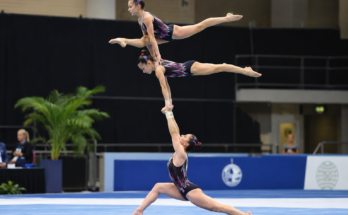
Leotards are commonly worn in artistic gymnastics, acrobatic gymnastics, trampoline gymnastics, rhythmic gymnastics, and other gym based disciplines.
The close fitting design allows coaches and judges to clearly see body alignment and movement. This is especially important in gymnastics because posture, leg position, arm placement, and overall technique are important parts of performance.
Why Gymnasts Wear Leotards
Gymnastics involves complex movements that would be difficult to perform safely in loose or heavy clothing.
A leotard stays close to the body and does not easily catch on equipment such as bars, beams, rings, or vaulting tables. This makes it a practical choice for training and competition.
Freedom of movement is another major benefit. Gymnasts need to perform splits, leaps, handstands, rolls, flips, and other movements that require a large range of motion. Stretchable fabrics allow the body to move naturally.
Leotards also help coaches observe technique. When clothing is fitted, coaches can more easily identify whether the gymnast’s back, hips, knees, shoulders, and other body areas are properly positioned.
For competitions, leotards also contribute to the overall appearance of the routine.
Training Leotards and Competition Leotards
Not every gymnastics leotard serves the same purpose.
Training leotards are generally designed to be practical and comfortable. They may have simple patterns, bright colors, or basic designs. Because gymnasts may train several times each week, training leotards should be durable and easy to wash.
Competition leotards are often more decorative. They may include detailed patterns, metallic fabrics, crystals, mesh sections, or team colors.
Competition designs are usually chosen to complement the gymnast’s routine and create a polished appearance.
However, appearance should never replace comfort. Even a beautiful competition leotard must fit properly and allow the gymnast to move freely.
Different Styles of Gymnastics Leotards
Gymnastics leotards come in several common styles.
Sleeveless leotards are popular for regular training because they provide excellent freedom of movement and may feel cooler during long practice sessions.
Tank style leotards have wider shoulder straps and are also commonly used for training.
Short sleeve leotards provide slightly more coverage while still allowing easy movement.
Long sleeve leotards are especially common in competitions. They can create a more formal appearance and offer additional space for decorative designs.
Some leotards also feature different necklines, backs, and shoulder designs.
The best style depends on personal comfort, training requirements, competition rules, and the preferences of the gymnast or club.
How a Gymnastics Leotard Should Fit
Proper fit is one of the most important factors when choosing a gymnastics leotard.
A good leotard should fit closely against the body without being painfully tight. The fabric should stretch comfortably during movement.
The shoulders should remain in place without slipping. The leg openings should fit securely but should not dig into the skin.
There should not be large wrinkles or loose areas around the waist, back, or hips.
A leotard that is too large may shift during movement. Extra fabric can also interfere with the clean appearance of gymnastics positions.
A leotard that is too small may restrict movement and cause discomfort.
Gymnasts should try several basic movements when checking the fit, including raising the arms, bending forward, stretching the legs, and sitting comfortably.
Choosing the Correct Size
Different brands may use different sizing systems, so it is important to check the manufacturer’s size chart before purchasing.
Measurements usually include chest, waist, hips, and torso length.
Torso measurement is particularly important for gymnastics leotards. It is usually measured from the shoulder, down the front of the body, through the legs, and back up to the starting shoulder.
Parents should avoid buying a leotard that is much larger simply because they expect a child to grow.
A small amount of growing room may be reasonable, but excessive loose fabric can affect comfort and performance.
Whenever possible, use accurate body measurements instead of choosing only by age.
Best Fabrics for Gymnastics Leotards
Fabric affects the appearance, comfort, durability, and flexibility of a leotard.
Nylon and spandex blends are widely used because they are lightweight and flexible.
Polyester blends may offer excellent durability and can maintain printed designs well.
Some competition leotards use metallic materials that reflect light and create a more dramatic appearance.
Velvet may also be used in certain designs, although it can feel warmer than lightweight synthetic materials.
Breathability is important, particularly for gymnasts who train for long periods.
For everyday practice, comfortable and durable fabrics are usually more practical than highly decorative materials.
Comfort During Training
A gymnast may wear a leotard for several hours during a training session, making comfort extremely important.
Seams should feel smooth against the skin. Rough stitching or decorative elements placed in uncomfortable areas may cause irritation.
The gymnast should also feel comfortable around the shoulders, chest, waist, hips, and legs.
A well designed leotard should allow the gymnast to focus on skills instead of constantly adjusting clothing.
Many gymnasts develop preferences over time. Some prefer sleeveless designs, while others feel more comfortable with additional coverage.
Listening to the gymnast’s comfort is important when selecting training clothing.
Gymnastics Leotards for Beginners
Beginners usually do not need expensive or highly decorative leotards.
A simple, comfortable training leotard is often the best starting point.
Look for a design made from stretchable, breathable material with secure stitching.
Beginner gymnasts may also want to have more than one leotard if they attend several classes each week.
Parents should also check the dress requirements of the gymnastics club. Some gyms have specific rules regarding acceptable training clothing.
Competition Leotards
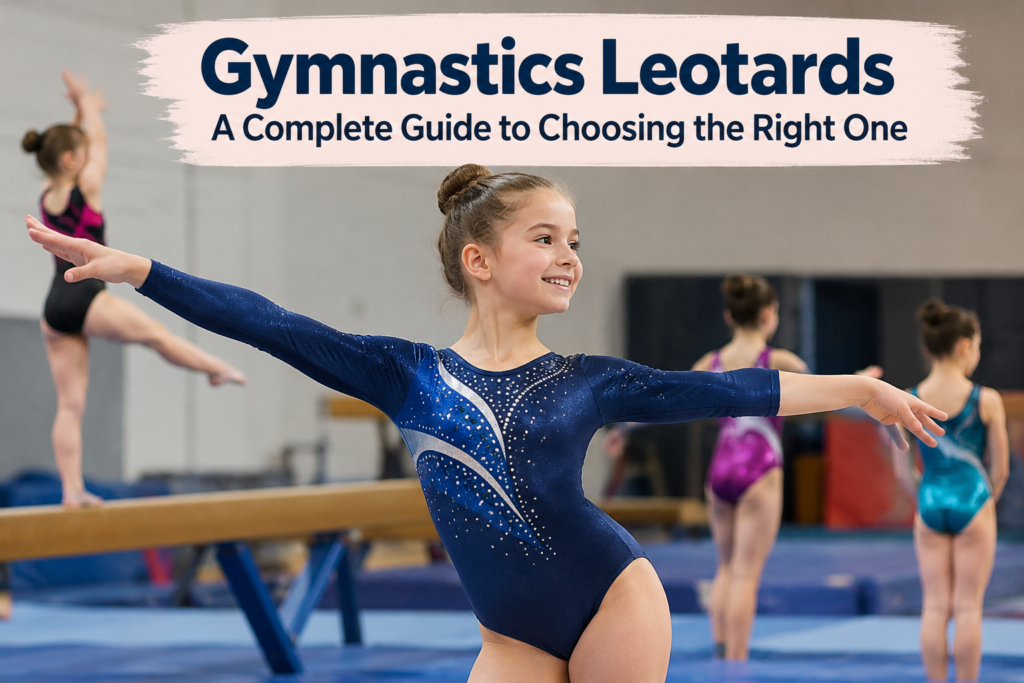
Competition leotards are designed to create a professional appearance while allowing full athletic movement.
They often include team colors and decorative patterns.
Some feature crystals, glittering details, mesh panels, or shiny fabric sections.
While decoration can improve visual presentation, competition leotards must still meet the rules of the organization managing the event.
Gymnasts and coaches should always check current competition requirements before selecting a design.
Comfort should also be tested before competition day. Wearing the leotard during practice can help identify any fitting issues.
Caring for a Gymnastics Leotard
Proper care can help a gymnastics leotard maintain its shape, color, and elasticity.
Always check the care label provided by the manufacturer.
Many leotards are best washed by hand or on a gentle machine cycle using cool water.
Strong detergents and bleach may damage delicate fabrics, metallic finishes, or decorative stones.
Air drying is often recommended. High heat from dryers can affect elastic fibers and decorations.
Competition leotards with crystals or delicate fabrics may require especially careful washing.
Gymnasts should avoid leaving sweaty leotards inside a closed sports bag for long periods. Allowing the garment to dry can help reduce unwanted odors.
What to Wear Under a Gymnastics Leotard
Many gymnasts wear a leotard without additional clothing underneath, while others may choose suitable athletic undergarments depending on personal comfort.
The most important consideration is avoiding visible lines or clothing that may shift during movement.
Some leotards include built in lining for additional comfort and coverage.
For training, gymnasts may occasionally wear fitted shorts over a leotard if permitted by their coach or club.
Competition requirements may be different, so athletes should follow the rules established by their gymnastics organization.
Choosing Colors and Designs
Color and design are largely personal choices for training leotards.
Many gymnasts enjoy bright colors, geometric patterns, stars, gradients, or other creative designs.
Younger gymnasts may enjoy playful patterns, while experienced competitors may prefer designs that match their routines or team identity.
Dark colors may sometimes hide chalk marks and minor stains more easily than lighter colors.
For competition, coaches may choose colors that create a consistent team appearance.
The design should support confidence without distracting from the gymnast’s movement.
How Many Leotards Does a Gymnast Need?
The number of leotards needed depends mainly on training frequency.
Someone attending gymnastics once a week may need only one or two.
A gymnast training several days each week may benefit from having several training leotards so clean clothing is always available.
Competitive gymnasts may have separate leotards for regular practice, special training sessions, and competitions.
Having a few options can also reduce repeated washing and help garments last longer.
Common Mistakes When Buying a Leotard
One common mistake is buying based only on appearance.
A beautiful design does not matter if the leotard is uncomfortable or poorly fitted.
Another mistake is choosing the wrong size without taking measurements.
Buying very large sizes for children to grow into can also cause problems because loose fabric may move during training.
Ignoring fabric quality is another issue. Very thin or poorly made materials may lose their shape quickly.
Finally, parents and athletes should always check gym or competition clothing rules before purchasing expensive competition leotards.
Gymnastics Leotards and Confidence
Comfortable athletic clothing can help a gymnast feel prepared for training.
When a leotard fits properly and stays securely in place, the athlete can focus more fully on skills, routines, and instructions from the coach.
Competition leotards can also contribute to a sense of preparation and team identity.
However, confidence ultimately develops from practice, skill development, encouragement, and experience.
A leotard supports performance, but it cannot replace proper training.
Final Thoughts
A gymnastics leotard is much more than a traditional piece of sports clothing. Its fitted shape helps gymnasts move freely, allows coaches to observe body positions, and reduces the problems that loose clothing could create around gymnastics equipment.
When choosing a gymnastics leotard, fit and comfort should come first. The material should stretch easily, remain secure during movement, and feel comfortable throughout training.
Beginners usually need simple and durable training leotards, while competitive gymnasts may also require specially designed competition clothing.
Taking accurate measurements, following care instructions, checking gym requirements, and allowing the gymnast to express personal preferences can make choosing the right leotard much easier.
With the right fit and design, a good gymnastics leotard can provide the comfort and freedom a gymnast needs to focus on learning new skills and enjoying the sport.