Starting gymnastics can be exciting because it combines strength, flexibility, balance, coordination, and body control. Many beginners enjoy learning new skills and challenging themselves, but it is also easy to make mistakes during the early stages of training. Some mistakes may slow progress, while others can increase the risk of injury.
Understanding common gymnastics mistakes can help beginners train safely and build better habits from the beginning. Whether you are learning gymnastics for fitness, competition, or personal development, avoiding simple errors can make your training more effective and enjoyable.
Skipping the Warm Up
One of the most common gymnastics mistakes beginners make is starting practice without a proper warm up. Gymnastics requires the body to move through different positions and ranges of motion. Cold muscles and stiff joints may not be ready for demanding movements.
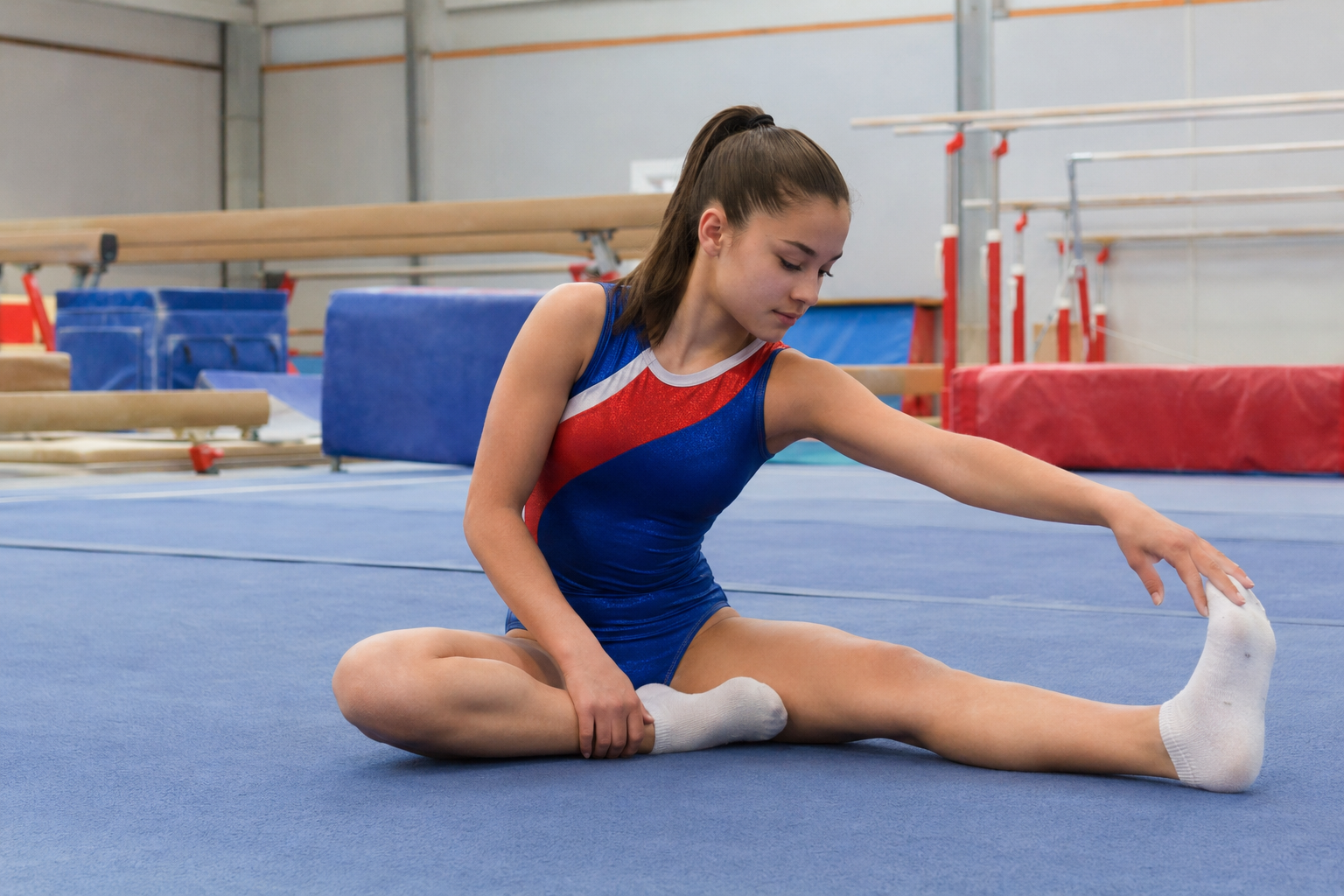
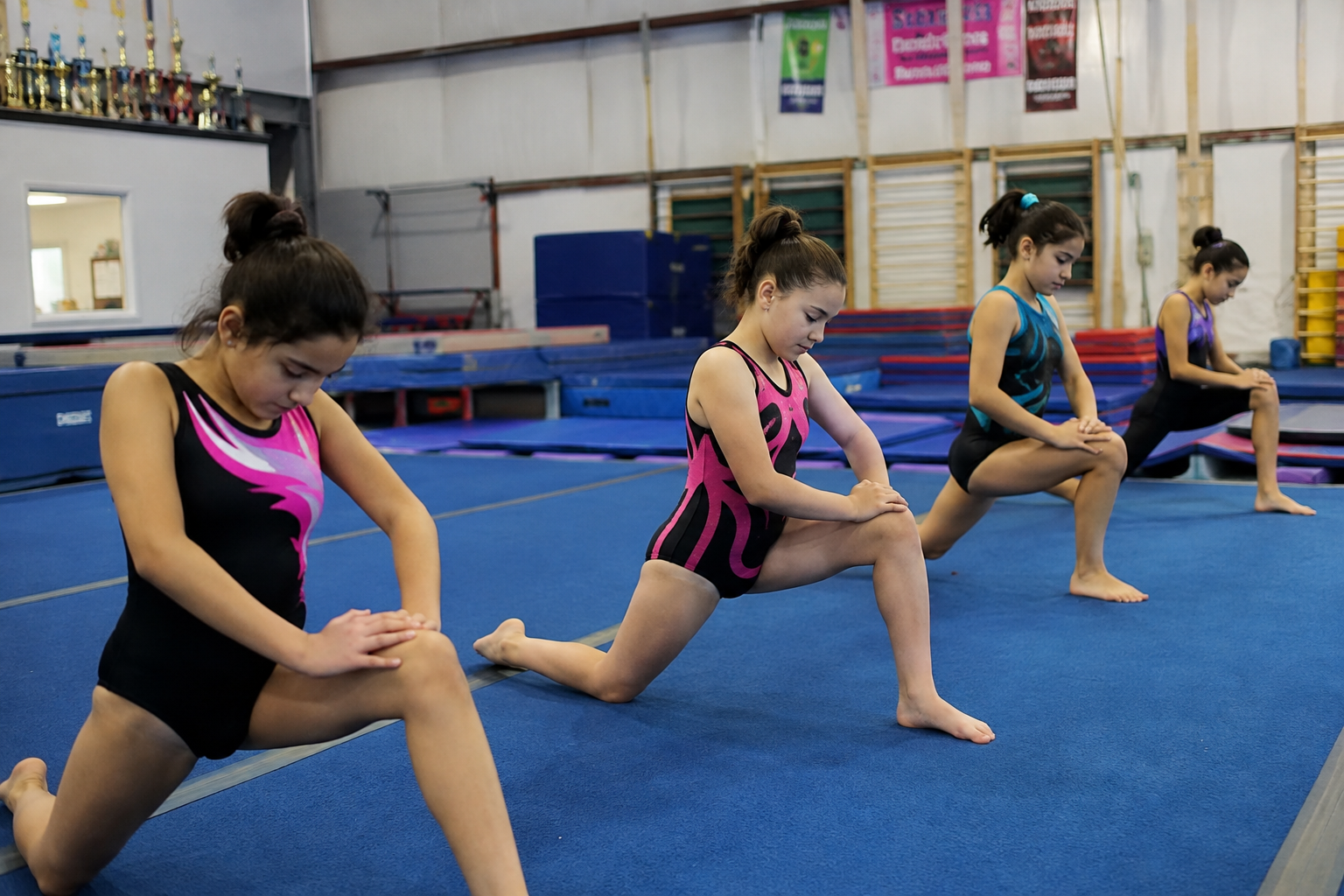
A good warm up gradually increases body temperature and prepares the muscles for training. Beginners can start with light movement such as jogging, jumping, or easy skipping. Dynamic stretches and controlled movements can then prepare the shoulders, wrists, hips, legs, and ankles.
A proper warm up can improve movement quality and help the body prepare for gymnastics exercises. Beginners should make warming up a regular part of every training session.
Trying Advanced Skills Too Soon
Another common mistake is trying difficult gymnastics skills before learning the basic movements. Beginners may see experienced gymnasts performing impressive flips, handstands, and complex routines and want to try them immediately.
However, advanced gymnastics skills require a strong foundation. Skills such as handstands, cartwheels, and rolls help develop body awareness, balance, strength, and coordination. These basic abilities are important before moving to more challenging techniques.
Progressing step by step is usually safer and more effective. Beginners should focus on mastering simple movements before attempting advanced gymnastics skills.
Ignoring Proper Technique
Gymnastics is a technical sport, so the way an exercise is performed matters greatly. Beginners sometimes focus only on completing a movement instead of learning the correct technique.
Poor technique can create unnecessary stress on the wrists, shoulders, knees, ankles, and other parts of the body. It can also make future skills more difficult to learn.
Beginners should pay attention to body position, movement control, landing technique, and proper alignment. Working with a qualified gymnastics coach can help identify mistakes and provide useful corrections.
Good technique should always come before speed or difficulty.
Training Without Enough Strength
Many gymnastics movements require significant strength. Beginners sometimes assume that flexibility and natural ability are enough to perform gymnastics skills successfully.
Strength training is an important part of gymnastics development. Exercises such as planks, squats, lunges, push ups, hollow body holds, and controlled leg raises can help build useful strength.
Strong muscles allow gymnasts to control their bodies more effectively. Beginners should gradually develop strength instead of expecting to perform difficult movements immediately.
Neglecting Flexibility
Flexibility is another important part of gymnastics. Beginners who ignore flexibility training may find certain movements difficult or uncomfortable.
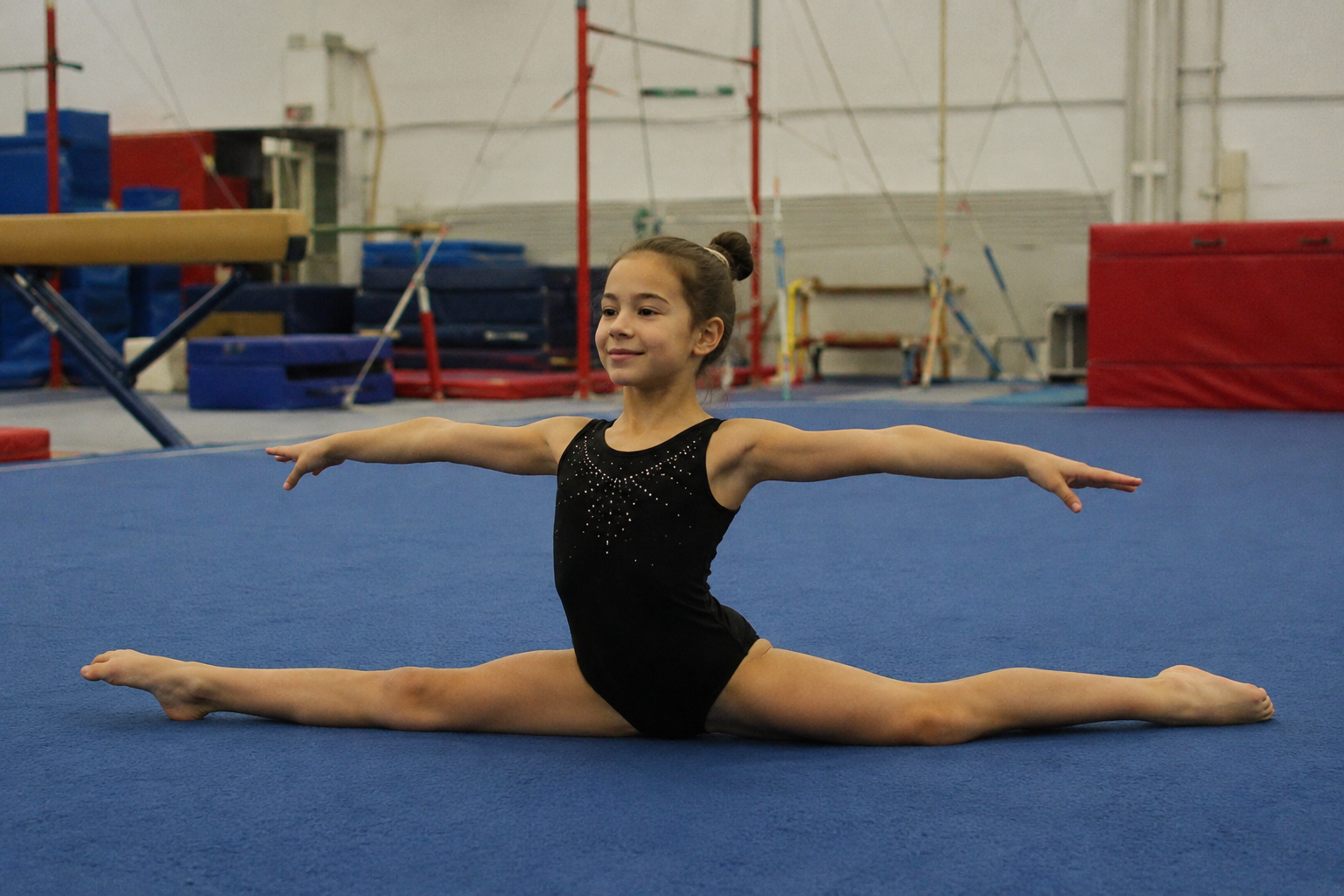
Gymnastics often requires a wide range of motion in areas such as the shoulders, hips, legs, and back. Regular flexibility work can help beginners move more comfortably and improve their technique.
Flexibility should be developed gradually. Beginners should avoid forcing stretches or trying to reach extreme positions quickly. Controlled and consistent flexibility training is generally more useful than aggressive stretching.
Practicing Through Pain
One of the most important gymnastics mistakes to avoid is ignoring pain. Beginners may sometimes believe that discomfort is simply part of becoming stronger. However, there is an important difference between normal training effort and pain that may indicate a problem.
Sharp pain, unusual swelling, persistent discomfort, or pain that changes normal movement should not be ignored. Continuing to train through an injury can make the situation worse.
Beginners should communicate with their coach when something does not feel right. If pain continues, getting advice from an appropriate healthcare professional can be important.
Forgetting to Practice Landings
Landing technique is an essential part of gymnastics, but beginners sometimes focus so much on the main skill that they forget about the landing.
A controlled landing helps reduce unnecessary stress on the lower body. Beginners should learn to land with good body control and appropriate knee and hip movement. They should also learn how to safely finish basic jumps and other movements before progressing to more advanced skills.
Practicing landings can improve confidence and body awareness.
Training Too Much
Beginners often become excited when they start gymnastics and may want to practice every day for long periods. While enthusiasm is positive, too much training without enough recovery can lead to fatigue and poor performance.
The body needs time to recover after physical training. When beginners become overly tired, their technique may become less controlled, which can increase the chance of mistakes.
A balanced gymnastics training schedule should include appropriate rest and recovery. Quality practice is usually more valuable than simply spending more hours in the gym.
Comparing Yourself With Other Gymnasts
Every gymnast develops at a different pace. Beginners sometimes compare their flexibility, strength, or skills with other people in their class.
This can create unnecessary frustration. Someone who has trained for several years will naturally have different abilities from someone who has just started.
Instead of comparing yourself with other gymnasts, focus on personal improvement. Try to notice small changes in strength, balance, flexibility, confidence, and technique. Progress may seem slow at first, but consistent practice can create significant improvements over time.
Poor Body Awareness
Body awareness is extremely important in gymnastics. Beginners need to understand where their arms, legs, head, and body are positioned during movement.
Poor body awareness can make skills feel confusing and difficult to control. Simple exercises can help beginners develop better awareness. Slow rolls, basic balances, controlled jumps, and beginner gymnastics drills can all help.
Performing movements slowly and carefully can sometimes teach more than rushing through repetitions.
Wearing the Wrong Clothing
Comfortable and suitable clothing can make gymnastics training easier. Beginners should avoid clothing that is excessively loose, restrictive, or uncomfortable during movement.
Gymnastics clothing should allow the body to move freely while keeping the athlete comfortable. Depending on the training environment, a leotard, fitted athletic clothing, or other appropriate sportswear may be suitable.
Hair should also be secured when necessary so it does not interfere with movement or vision.
Not Listening to the Coach
A gymnastics coach provides more than instructions. A good coach helps beginners understand technique, progress safely, and recognize mistakes.
Ignoring coaching advice or repeatedly attempting a skill in an unsafe way can slow progress. Beginners should listen carefully to instructions and ask questions when they do not understand an exercise.
Being willing to accept corrections is an important part of learning gymnastics. Coaches can often identify small technical problems that beginners cannot notice themselves.
Forgetting Recovery
Recovery is sometimes overlooked by beginners because they focus mainly on training. However, rest, hydration, nutrition, and sleep all support physical performance.
After gymnastics practice, the body needs time to recover. Drinking enough water and eating balanced meals can support normal energy needs. Adequate sleep is also important for physical and mental recovery.
Gentle movement and appropriate stretching may also help beginners feel comfortable after training.
Using Equipment Without Learning Safety
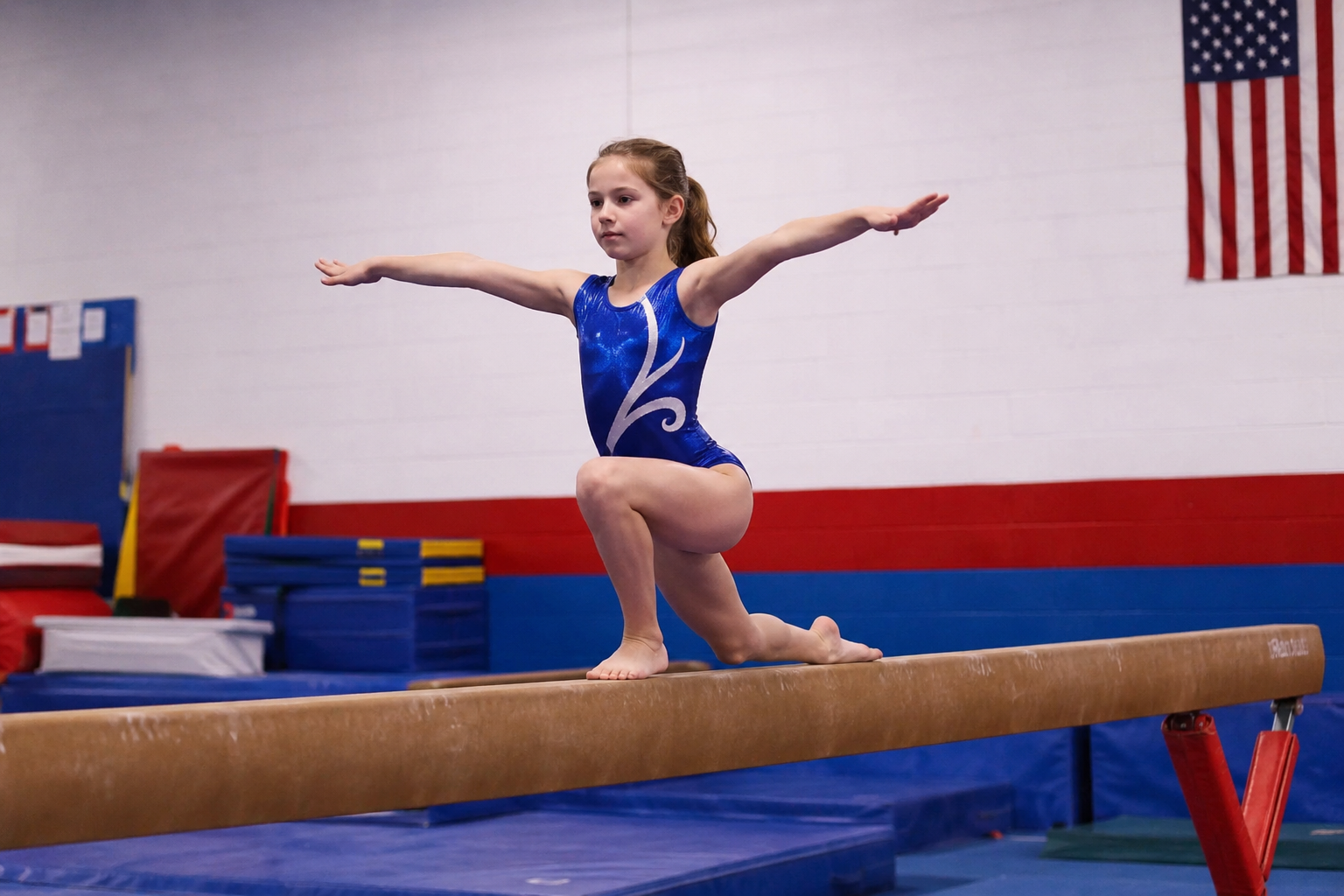
Gymnastics equipment can help athletes develop important skills, but beginners should learn how to use it correctly. Equipment such as bars, beams, vaulting surfaces, and mats should be used according to proper instructions.
Beginners should not experiment with unfamiliar equipment without supervision. Safety mats should also be positioned correctly when required.
Learning equipment safety is just as important as learning gymnastics technique.
Lack of Patience
Gymnastics takes time to learn. Some skills may develop quickly, while others can require weeks, months, or longer practice.
Beginners may become discouraged when they cannot perform a skill immediately. This is normal. Instead of expecting instant results, focus on small improvements.
Consistent practice, proper technique, and patience can gradually build the abilities needed for more difficult gymnastics skills.
Final Thoughts
Avoiding common gymnastics mistakes can help beginners train more safely and make steady progress. Warming up properly, learning basic skills, using correct technique, developing strength and flexibility, and allowing enough recovery are all important parts of successful gymnastics training.
Beginners should also listen to their coaches, respect their own limits, and avoid comparing their progress with others. Gymnastics is a sport that rewards patience and consistency. By building good habits from the beginning, beginners can improve their skills, confidence, balance, strength, and overall fitness.
The most important goal is not to perform the hardest skill as quickly as possible. The real goal is to learn gymnastics correctly, stay consistent, and enjoy the process of becoming stronger and more skilled.