Gymnastics is a sport that requires strength, flexibility, balance, coordination, speed, body control, and mental focus. Whether you are a beginner or an experienced gymnast, improving gymnastics performance takes regular practice and a smart training routine. Many gymnasts focus only on learning new skills, but better performance also depends on proper conditioning, recovery, nutrition, flexibility, and confidence.
If you want to improve gymnastics performance, you need to work on your body and mind together. Small improvements made consistently can create a big difference over time. This article explains practical ways to improve gymnastics performance and become stronger, more flexible, more confident, and more controlled during training and competition.
Build Strength for Better Gymnastics Performance
Strength is one of the most important parts of gymnastics performance. Gymnasts need strong arms, shoulders, legs, core, and back to control their bodies during different movements. Good strength allows you to perform skills with better technique and reduces unnecessary movement.
Bodyweight exercises are especially useful for gymnasts. Exercises such as push ups, pull ups, squats, lunges, planks, hollow body holds, and leg raises can help develop useful strength. You should focus on performing each exercise with proper form instead of rushing through repetitions.
Core strength is particularly important because the core connects the upper and lower body. A strong core helps gymnasts maintain body position during handstands, jumps, turns, flips, and other skills. Include exercises such as hollow holds, arch holds, planks, and controlled leg raises in your training routine.
Improve Flexibility and Mobility
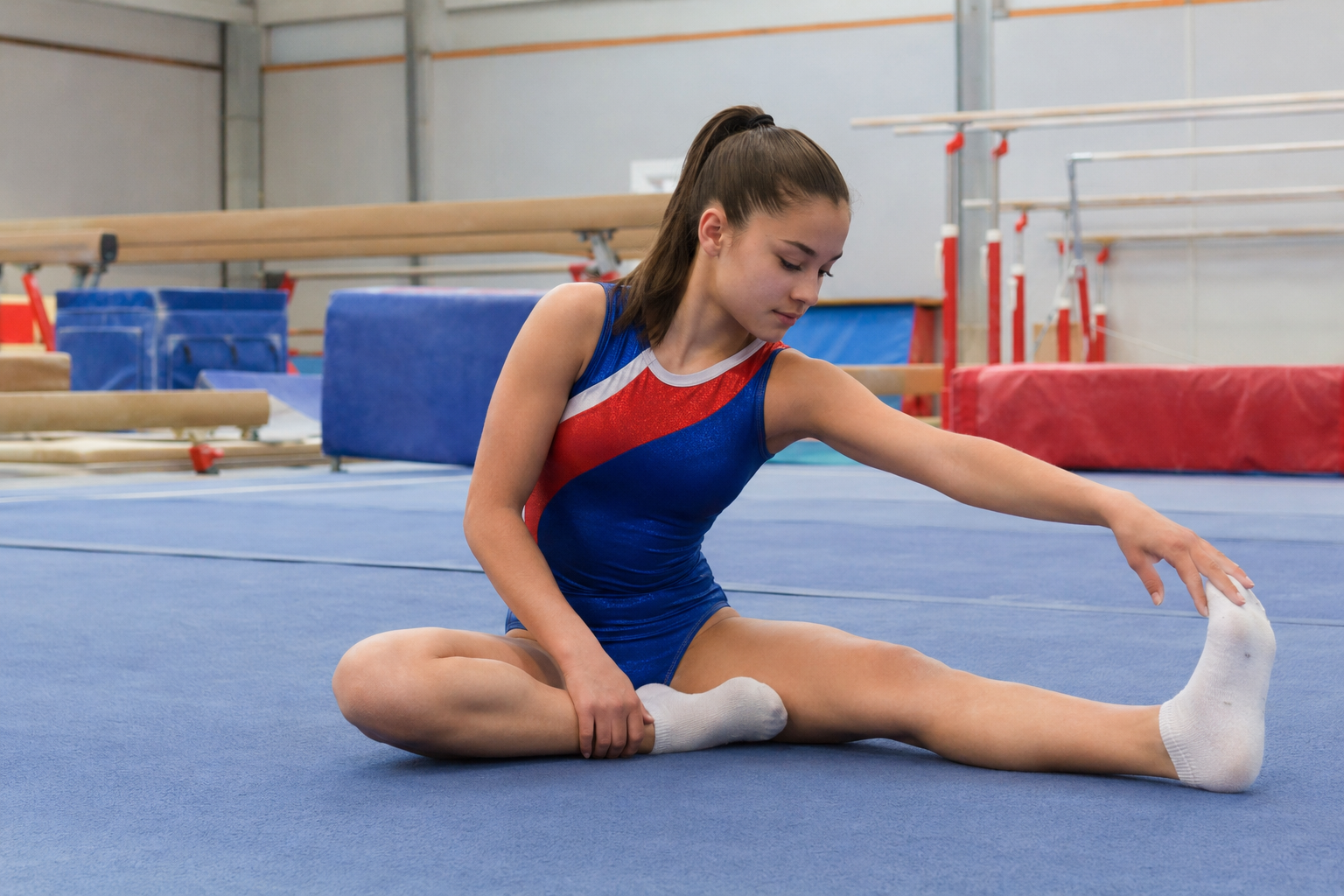
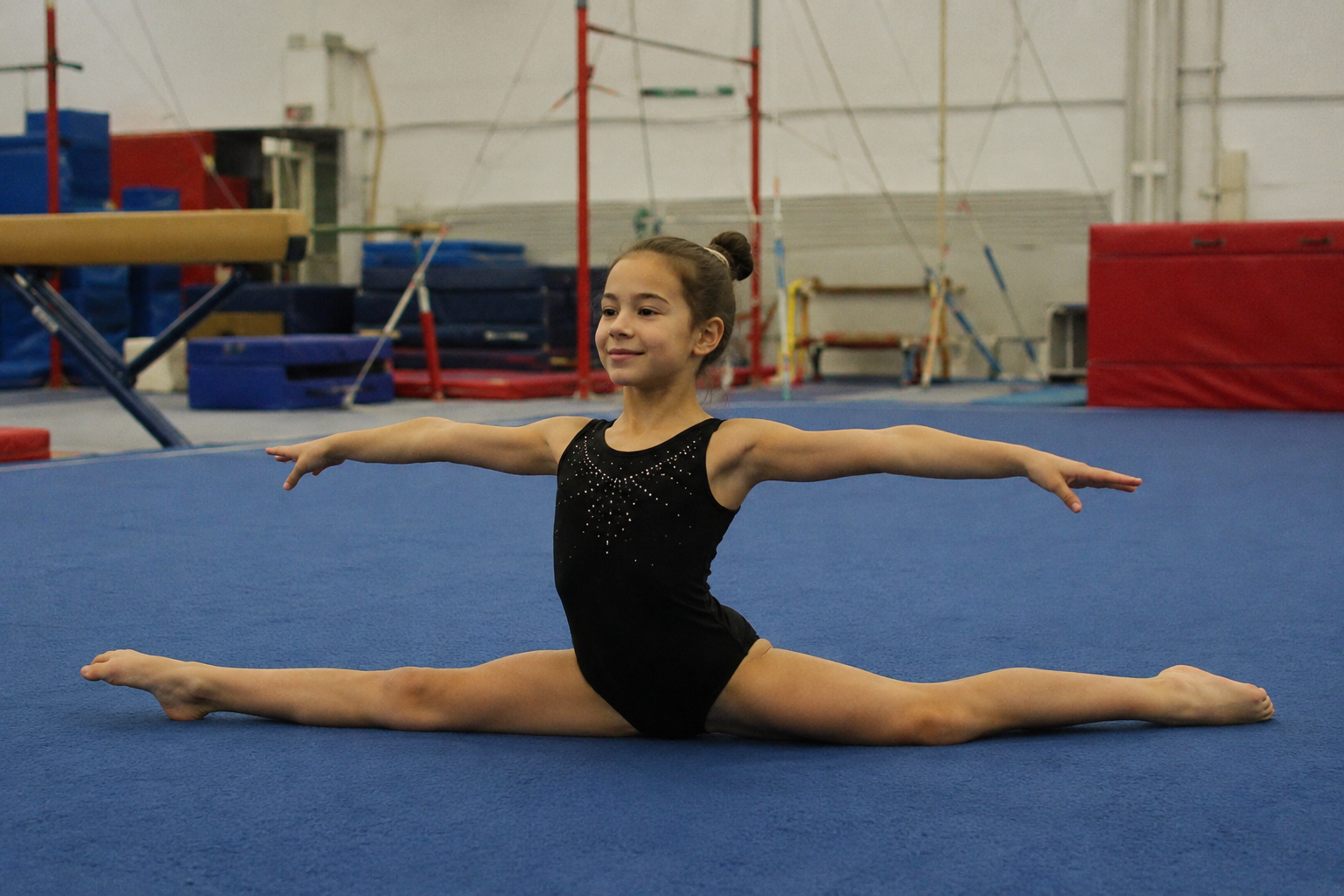
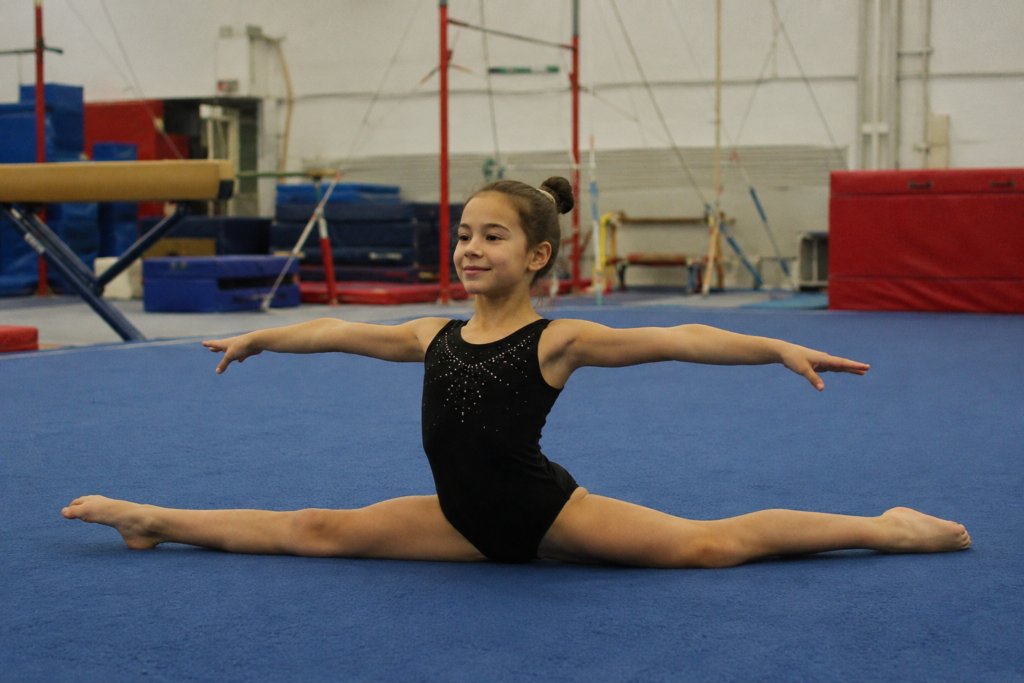
Flexibility plays a major role in gymnastics. Good flexibility helps you achieve better positions and perform movements with greater control. Limited flexibility can make certain skills more difficult and may place extra stress on muscles and joints.
Stretch regularly after your body is properly warmed up. Focus on important areas such as the shoulders, hips, hamstrings, calves, back, and ankles. Dynamic movements can be useful during your warm up, while controlled static stretches are often suitable after training.
Mobility is also important because flexibility alone does not guarantee good movement. You need to control your available range of motion. Combining mobility exercises with strength training can help you move more efficiently and maintain better positions.
Practice Skills With Proper Technique
One of the best ways to improve gymnastics performance is to practice skills correctly. Repeating a movement with poor technique can create bad habits that become difficult to change later.
Start with the basics and make sure your body positions are correct. When learning a new skill, break it into smaller parts. Practice each part carefully before trying to perform the complete movement.
Quality is more important than quantity. Ten well performed repetitions can be more useful than many rushed repetitions. Ask your coach for feedback and use that information to correct mistakes.
Improve Balance and Coordination
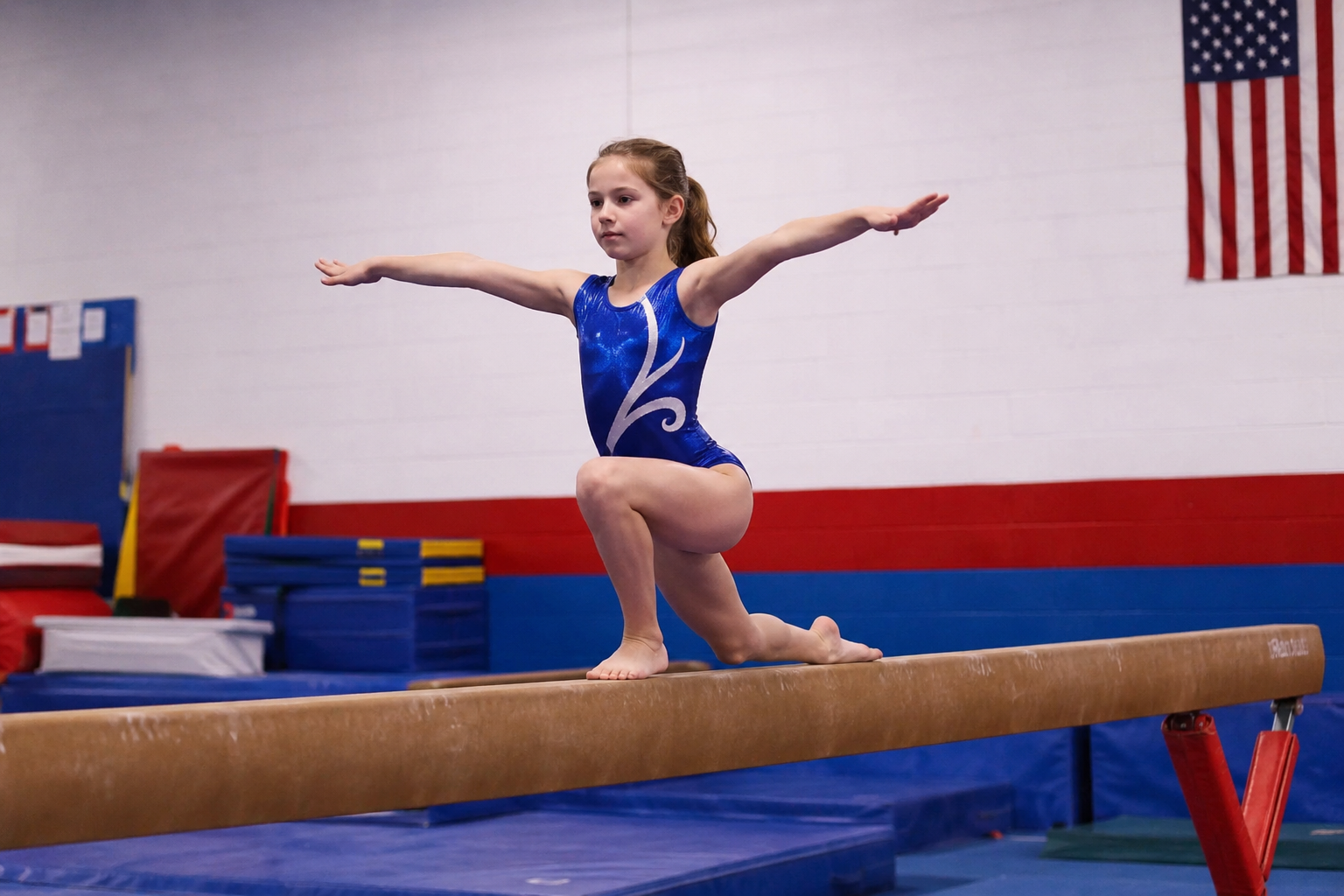
Balance and coordination are essential gymnastics skills. A gymnast needs to control body position while moving quickly and changing direction. Better coordination can make routines look smoother and more precise.
You can improve balance by practicing simple activities such as standing on one leg, controlled turns, beam exercises, and slow bodyweight movements. As your balance improves, you can make exercises more challenging.
Coordination can also improve through drills that involve different body movements at the same time. Practice arm and leg movements together and focus on timing. Consistent practice helps your nervous system become more familiar with complex movements.
Develop Better Body Awareness
Body awareness means understanding where your body is positioned while moving. This skill is extremely important in gymnastics because many movements happen quickly and require precise control.
Pay attention to your body position during every exercise. Notice the position of your hands, feet, hips, shoulders, and head. When practicing skills, try to understand what correct movement feels like instead of simply copying the movement.
With regular practice, better body awareness can help you make faster corrections and perform skills more confidently.
Create a Consistent Training Routine
Consistency is one of the biggest factors in improving gymnastics performance. Training once in a while will not produce the same results as following a structured routine.
Your training should include skill practice, strength exercises, flexibility work, conditioning, and recovery. Avoid trying to improve everything at maximum intensity every day. Your body needs time to adapt.
A balanced training routine allows you to make progress while reducing unnecessary fatigue. Work with a qualified gymnastics coach to create a program that matches your age, experience, goals, and current ability.
Focus on Warm Up Before Training
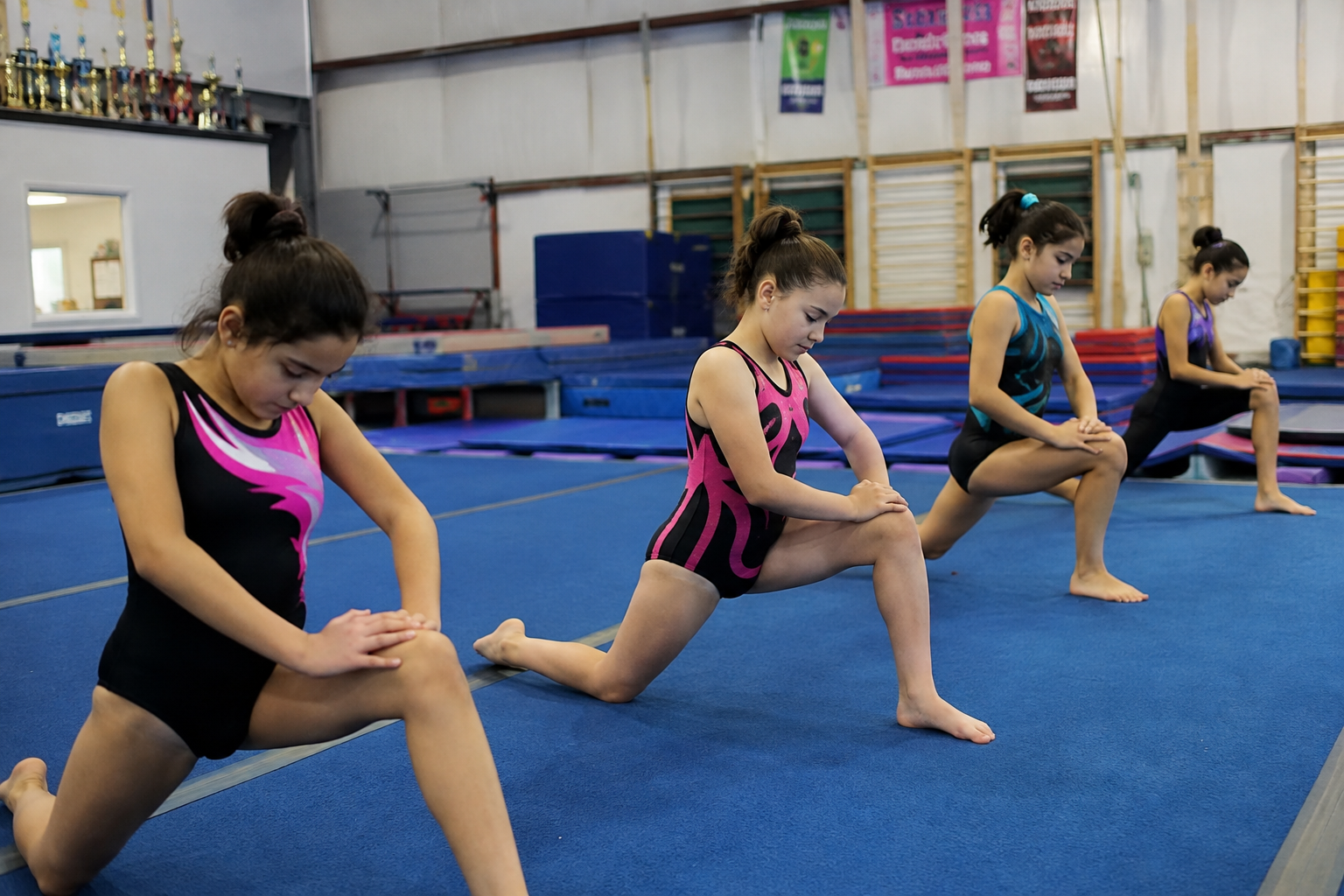
A proper warm up prepares your body for gymnastics training. It increases body temperature, gets your muscles moving, and helps prepare your joints for activity.
Begin with light movements and gradually increase the intensity. Include dynamic movements that involve the shoulders, hips, legs, ankles, and spine. You can then move into gymnastics specific drills before attempting difficult skills.
Never begin intense skill training with a cold body. A few extra minutes of preparation can help you train more effectively and feel more comfortable during practice.
Improve Mental Focus
Gymnastics performance is not only physical. Mental preparation can have a major effect on how well you perform a skill.
Before attempting an important movement, take a moment to focus. Think about the technique and body position you need. Visualization can also be helpful. Imagine yourself performing the skill correctly before you attempt it.
Confidence develops through preparation and repeated successful practice. Do not expect yourself to master difficult skills immediately. Learn from mistakes and focus on progress rather than perfection.
Get Enough Rest and Recovery
Rest is an important part of gymnastics performance improvement. Your body needs recovery time after training so your muscles and nervous system can adapt.
Avoid training intensely when you are extremely tired. Fatigue can affect coordination, concentration, and technique. These problems can make training less productive and increase the chance of poor movement.
Sleep is also important for physical and mental performance. Create a regular sleep routine and give your body enough time to recover between demanding training sessions.
Recovery can include light movement, gentle stretching, hydration, proper meals, and rest days. Listening to your body is an important part of long term gymnastics development.
Eat for Better Gymnastics Performance
Nutrition provides the energy your body needs for training and recovery. A balanced diet should include carbohydrates, protein, healthy fats, fruits, vegetables, and enough fluids.
Carbohydrates can provide energy for demanding training sessions. Protein supports muscle repair and recovery. Healthy fats are also important for overall health and energy.
Do not ignore hydration. Drink enough water throughout the day, especially before and after training. During long or intense sessions, your fluid needs may be higher.
Avoid relying heavily on highly processed foods and sugary drinks. Focus on balanced meals that provide useful nutrients for an active body.
Work on Explosiveness and Power
Many gymnastics skills require explosive strength. Jumping, tumbling, vaulting, and certain floor movements require the ability to produce force quickly.
Exercises such as controlled jumps, squat jumps, skipping drills, and other suitable power exercises can help develop explosiveness. However, these exercises should be introduced gradually and performed with proper technique.
Power training should match your current ability. If you are unsure which exercises are appropriate, ask your coach for guidance.
Track Your Progress
Tracking your gymnastics performance can help you understand whether your training is working. Write down the skills you are practicing, exercises you complete, flexibility improvements, and areas that still need attention.
You can also record important milestones. For example, you may improve your handstand time, increase the number of controlled repetitions, improve your flexibility, or perform a skill with better technique.
Progress is not always immediate. Some weeks may feel easier while other weeks may feel challenging. Looking at your progress over several months can help you stay motivated.
Avoid Comparing Yourself With Others
Every gymnast develops at a different speed. Comparing your progress with another gymnast can create unnecessary pressure and frustration.
Instead, compare your current performance with your previous performance. Ask yourself whether your technique is improving, whether you are becoming stronger, and whether you are gaining better control.
A positive mindset allows you to focus on your own development. Celebrate small improvements because they are part of becoming a better gymnast.
Listen to Your Coach
A qualified gymnastics coach can identify technical problems that you may not notice yourself. Coaches can also help you choose suitable exercises and progressions.
Pay attention to corrections and apply them during practice. If your coach tells you to slow down, improve your body position, or focus on a specific movement, take the advice seriously.
Good communication with your coach can make training safer and more effective.
Conclusion
Improving gymnastics performance requires more than practicing difficult skills. You need strength, flexibility, balance, coordination, body awareness, mental focus, proper nutrition, quality sleep, and consistent training.
Focus on improving your technique and building a strong foundation before rushing toward advanced skills. Warm up properly, train consistently, recover adequately, and listen to your coach. Most importantly, be patient with your progress.
When you combine smart gymnastics training with good recovery and a positive mindset, you can gradually improve your strength, control, confidence, flexibility, and overall gymnastics performance. Small improvements every week can eventually lead to major results.