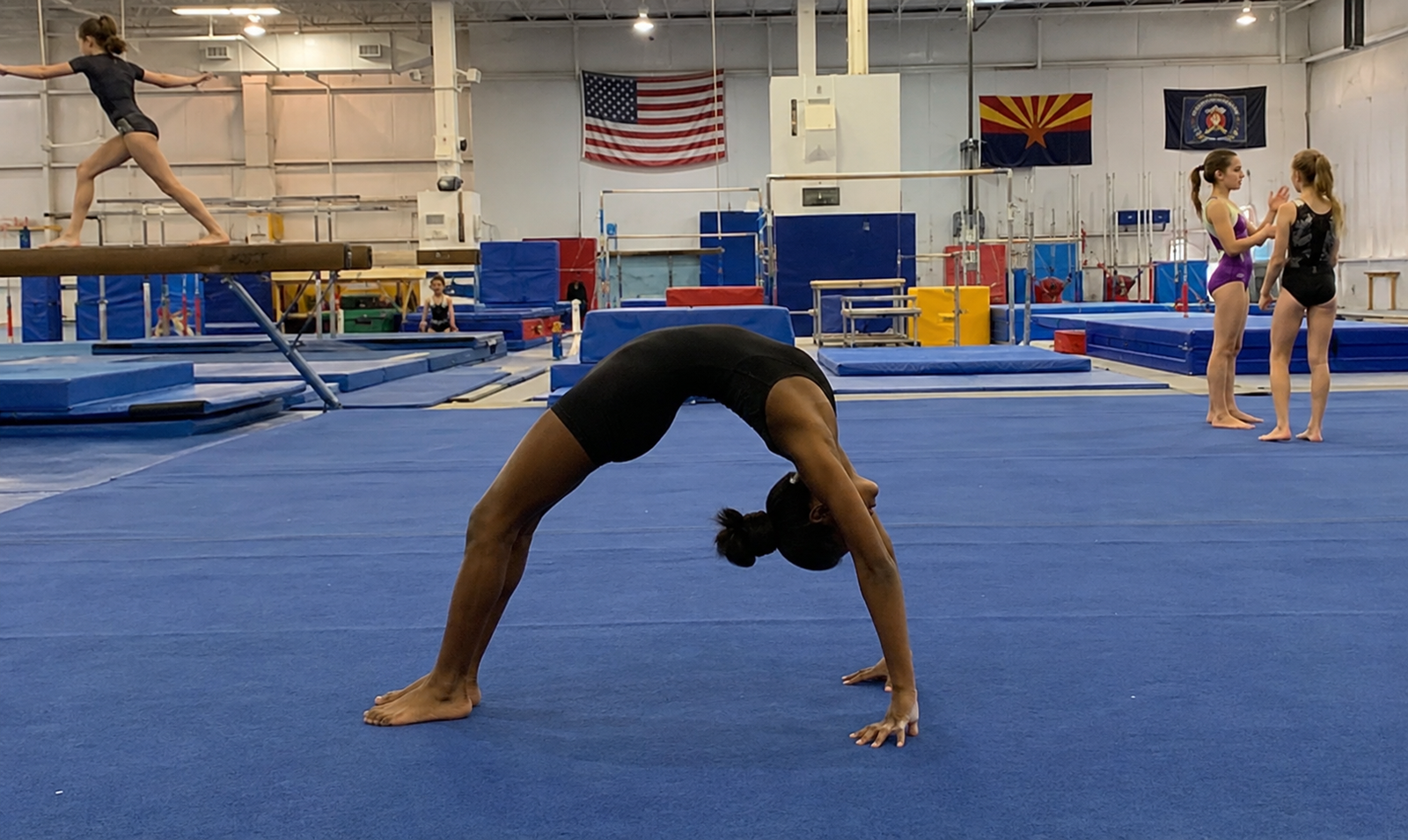
Gymnastics is a sport that combines strength, flexibility, balance, coordination, speed, and body control. It includes a wide range of movements that require athletes to use their bodies with accuracy and confidence. From simple rolls and jumps to advanced flips and routines, gymnastics can be enjoyed by children, teenagers, and adults at different skill levels.
Many people see gymnastics as a sport based mainly on flexibility, but there is much more involved. Gymnasts need strong muscles, good balance, proper technique, mental focus, and regular practice. Understanding what gymnastics is and how it works can help beginners learn the sport safely and effectively.
What Is Gymnastics?
Gymnastics is a physical sport in which athletes perform controlled movements, exercises, jumps, turns, balances, and routines. Some forms of gymnastics use special equipment, while others focus mainly on movements performed on the floor.
The main goal of gymnastics is to perform movements with control, technique, strength, and precision. In competitive gymnastics, athletes are judged according to factors such as difficulty, execution, body position, balance, and overall performance.
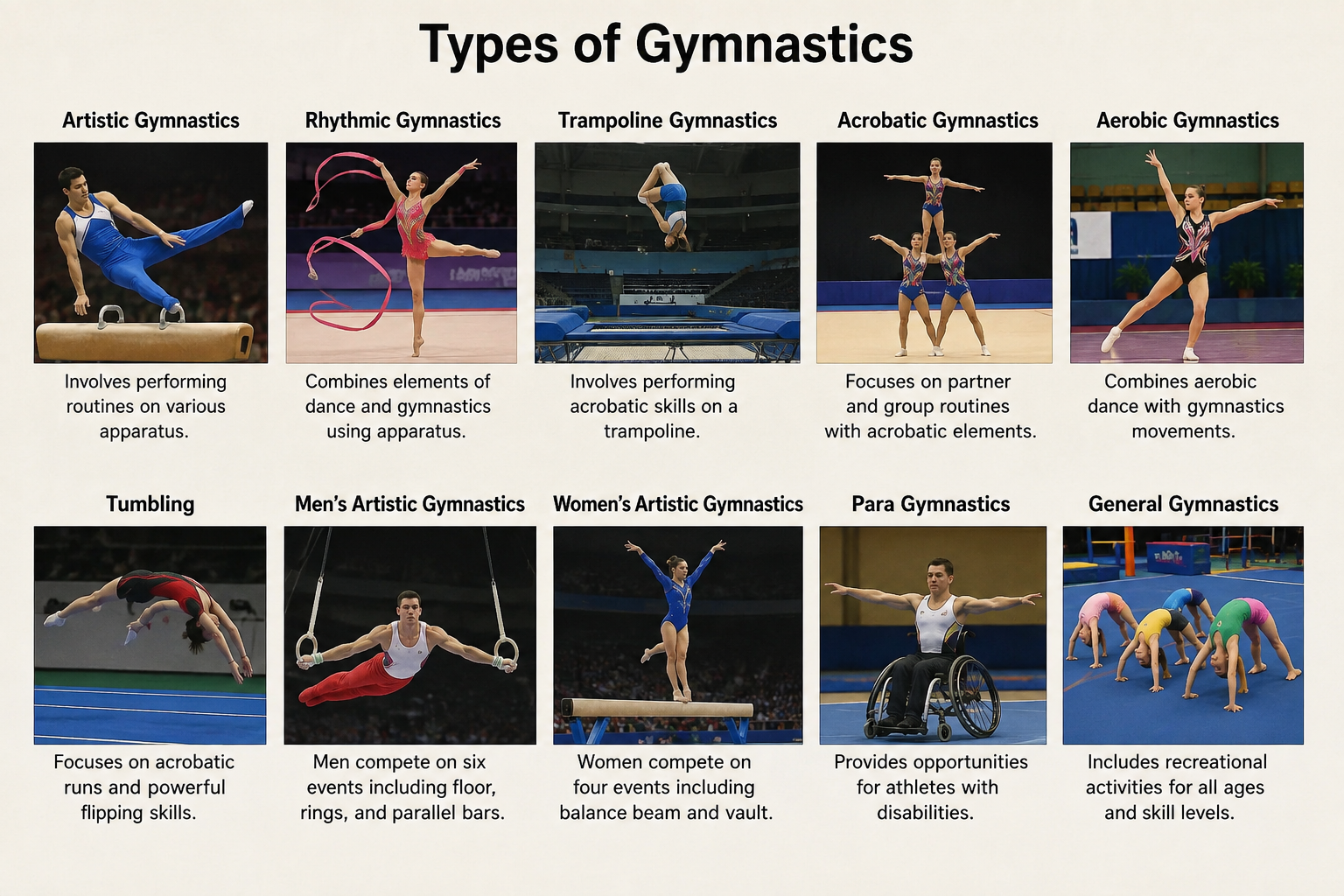
Gymnastics has a long history and has developed into several different disciplines. Artistic gymnastics is one of the most popular forms, but rhythmic gymnastics, trampoline gymnastics, acrobatic gymnastics, and aerobic gymnastics are also practiced around the world.
How Does Gymnastics Work?
Gymnastics works by combining physical skills with repeated practice. A gymnast usually learns basic movements first and gradually develops more advanced skills.
For example, a beginner may start by learning how to roll, jump, land, balance, and support their body weight. Once these basic skills become comfortable, the gymnast can move toward more difficult movements such as handstands, cartwheels, walkovers, and flips.
Every gymnastics skill has a technique. The athlete must learn how to position the hands, arms, legs, head, and body during each movement. Proper technique helps improve performance and reduces the risk of injury.
Training also develops strength and flexibility. Gymnasts often perform exercises that strengthen the legs, arms, shoulders, back, stomach, and other muscles. Flexibility training helps them achieve larger and more controlled movements.
Main Types of Gymnastics
There are several types of gymnastics, and each has its own style and requirements.
Artistic Gymnastics
Artistic gymnastics is one of the best known forms of gymnastics. Athletes perform routines on different equipment and are evaluated on their technique and execution.
Women typically compete on the vault, uneven bars, balance beam, and floor exercise. Men commonly compete on the floor exercise, pommel horse, still rings, vault, parallel bars, and horizontal bar.
Artistic gymnastics requires a combination of strength, flexibility, balance, coordination, and power.
Rhythmic Gymnastics
Rhythmic gymnastics combines body movements with music and hand equipment. Athletes may use a hoop, ball, clubs, ribbon, or rope.
This type of gymnastics places a strong focus on flexibility, rhythm, coordination, balance, and artistic performance. Routines are performed individually or in groups depending on the competition.
Trampoline Gymnastics
Trampoline gymnastics involves performing controlled jumps and aerial movements on a trampoline. Athletes perform twists, turns, and somersaults while maintaining body control.
Because gymnasts move through the air at considerable height, timing and spatial awareness are extremely important.
Acrobatic Gymnastics
Acrobatic gymnastics involves athletes working together to perform balances, lifts, throws, and other coordinated movements. Teams may include pairs or groups.
Trust and communication are very important in this discipline because athletes must work together safely and accurately.
Basic Skills in Gymnastics
Gymnastics begins with basic skills that form the foundation for more advanced movements. Some important beginner gymnastics skills include forward rolls, backward rolls, jumps, balancing, handstands, cartwheels, and basic stretches.
A forward roll teaches body control and helps beginners understand how to move safely on the floor. A handstand develops strength and balance because the athlete must support the body using the arms and shoulders.
Cartwheels help develop coordination between the hands, arms, legs, and body. Jumping and landing exercises teach athletes how to control their movement and absorb force safely.
These basic gymnastics skills may look simple, but they are extremely important. Advanced gymnastics movements are usually built from the same fundamental principles.
Strength and Conditioning in Gymnastics
Strength is an important part of gymnastics. Athletes need enough strength to support their body, control movements, and perform skills correctly.
Common gymnastics strength exercises may include pushups, squats, lunges, planks, leg lifts, pullups, and other bodyweight exercises. Coaches may also use specific drills designed for gymnastics skills.
Core strength is especially important because the abdominal and back muscles help stabilize the body. A strong core can make it easier to maintain balance during handstands, turns, jumps, and other movements.
Strength training should be appropriate for the athlete’s age and experience. Beginners should focus on learning correct movement patterns rather than trying to perform difficult exercises too quickly.
Flexibility and Mobility
Flexibility is another major part of gymnastics. Many gymnastics movements require athletes to move their joints through a large range of motion.
Regular stretching can help improve flexibility over time. Gymnasts may work on flexibility in the shoulders, hips, legs, back, and ankles.
However, flexibility should be developed gradually. Forcing a stretch can cause discomfort or injury. Good gymnastics training combines flexibility with strength so that the athlete can control the available range of motion.
Balance and Coordination
Balance and coordination are essential gymnastics skills. A gymnast needs to control their body while moving, landing, turning, or holding a position.
Balance exercises may involve standing on one leg, walking along a narrow surface, holding a handstand, or maintaining a position on the balance beam.
Coordination develops through repetition. When a gymnast practices a movement regularly, the brain and muscles become better at working together. This allows the movement to become smoother and more automatic.
The Role of Practice
Practice is one of the most important parts of gymnastics. Gymnasts rarely learn difficult skills in one attempt. Instead, coaches usually break movements into smaller parts.
For example, before learning a complete flip, an athlete may practice jumping, body positions, landing techniques, and controlled rotations. These smaller exercises help build confidence and understanding.
Repetition allows gymnasts to improve their technique. However, quality is more important than simply repeating a movement many times. Incorrect repetition can reinforce poor technique, so athletes should practice under proper guidance.
Safety in Gymnastics
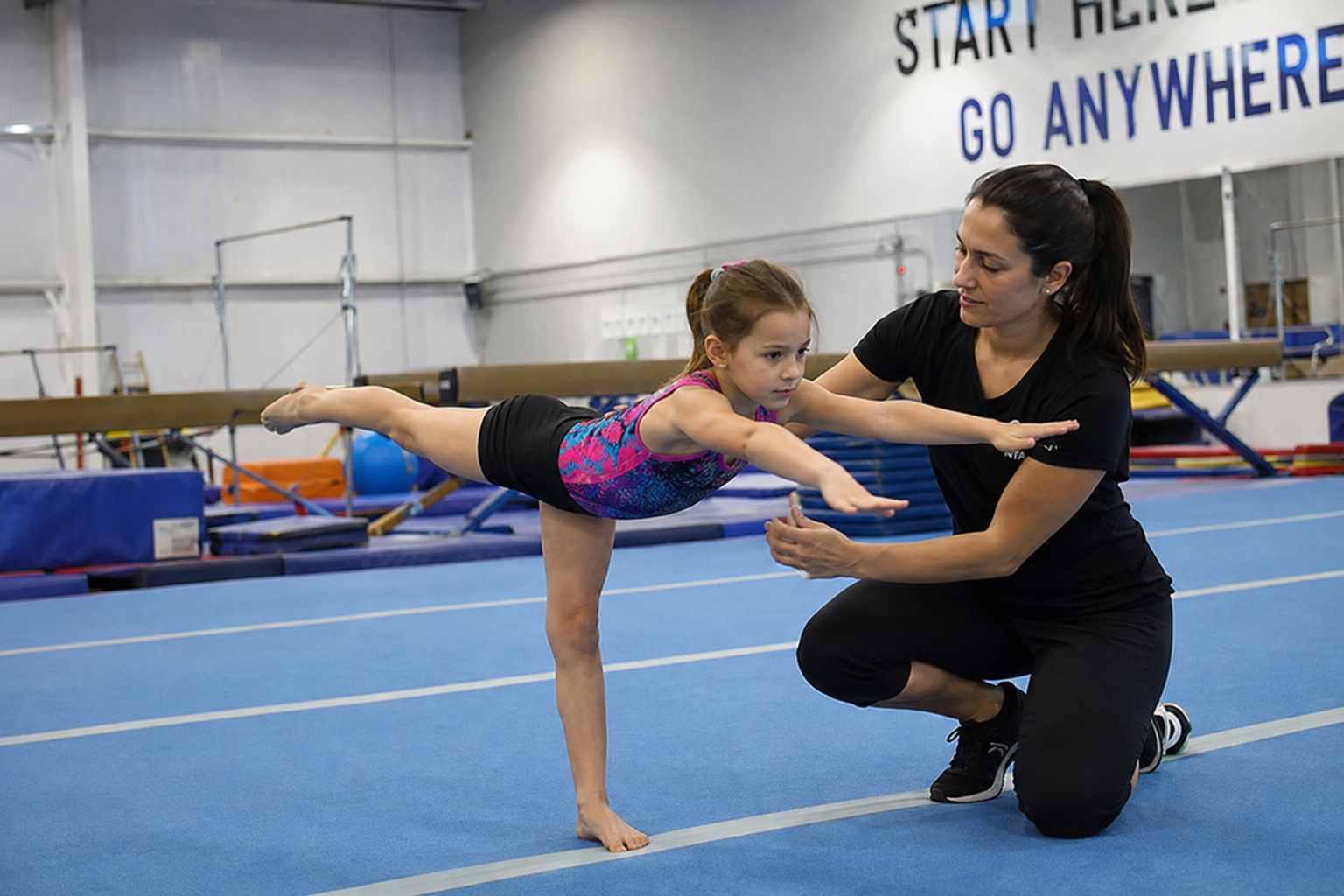
Safety is extremely important because gymnastics can involve jumping, rotation, and movement at height. Beginners should learn skills with a qualified coach and use appropriate equipment.
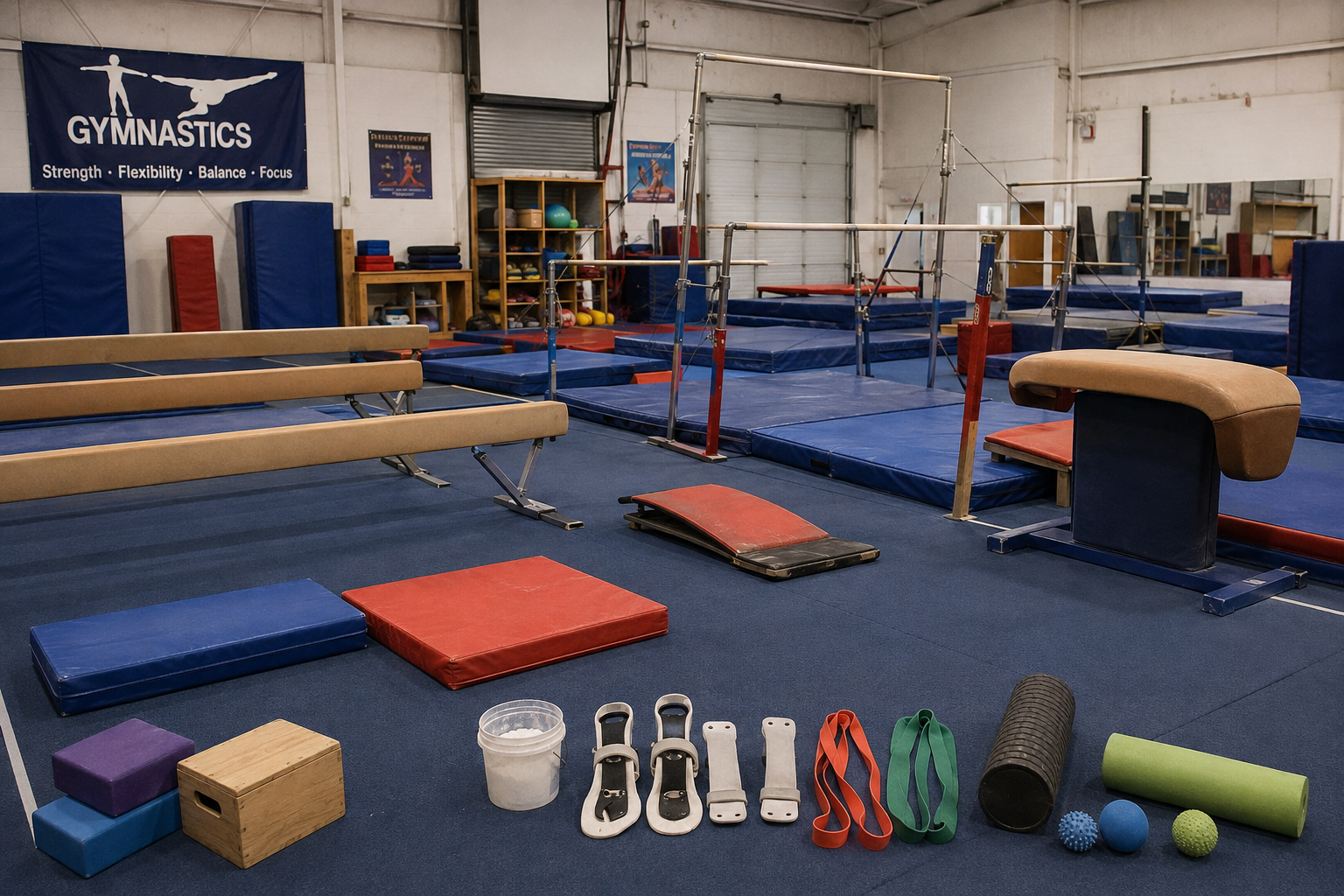
Mats and other safety equipment can help reduce the impact of falls and landings. Athletes should also warm up before training and follow proper instructions.
Gymnasts should not rush into advanced skills before developing the necessary strength, flexibility, balance, and technique. Progressing step by step is one of the best ways to make gymnastics safer and more enjoyable.
Benefits of Gymnastics
Gymnastics offers many physical and mental benefits. Regular gymnastics training can improve strength, flexibility, balance, coordination, body awareness, and physical fitness.
It can also help develop discipline and concentration. Learning a new skill often requires patience because progress may take time. Gymnasts learn to stay focused, listen to instructions, and continue practicing when a movement is difficult.
For children, gymnastics can also provide an enjoyable way to develop fundamental movement skills. These skills can support participation in many other sports and physical activities.
Who Can Learn Gymnastics?
Gymnastics is not limited to professional athletes. People of different ages and experience levels can participate in recreational gymnastics.
Children can begin with basic movement activities designed for their age. Teenagers and adults can also learn gymnastics skills through beginner classes and structured training.
The level of difficulty should always match the individual’s physical ability and experience. A person does not need to be extremely flexible or strong before starting gymnastics. These qualities can develop gradually through appropriate training.
Conclusion
Gymnastics is a sport that combines strength, flexibility, balance, coordination, control, and mental focus. It works through structured training in which athletes learn basic movements before progressing toward more advanced skills.
Whether someone wants to compete professionally or simply improve their fitness, gymnastics can provide valuable physical and mental benefits. With proper coaching, regular practice, patience, and attention to safety, beginners can build strong foundations and gradually develop impressive gymnastics skills.
Understanding what gymnastics is and how it works shows that the sport is about much more than flips and impressive performances. It is a disciplined form of movement that teaches athletes how to control their bodies, overcome challenges, and improve through consistent practice.