Gymnastics is more than a sport that teaches children how to jump, roll, stretch, and balance. It is an activity that can help kids become stronger, more independent, and more confident in everyday life. When children learn new gymnastics skills, they face challenges that require patience, focus, practice, and courage. Each small achievement gives them a feeling of success and encourages them to believe in their own abilities.
For parents who want their children to develop confidence, gymnastics can be a great choice. The sport provides a safe environment where kids can learn from mistakes, celebrate progress, and understand that improvement takes time. In this article, we will explore how gymnastics helps kids build confidence and why regular gymnastics practice can support healthy personal development.
What Is Confidence in Children?
Confidence means believing in yourself and feeling comfortable trying new things. For children, confidence can affect many areas of life, including school, friendships, sports, and family activities. A confident child is more likely to ask questions, try difficult tasks, communicate with others, and recover after making mistakes.
Confidence does not mean that a child never feels nervous or afraid. Instead, confidence helps children understand that they can face challenges even when something feels difficult. Gymnastics gives children many opportunities to develop this type of confidence through regular practice and gradual progress.
Learning New Gymnastics Skills Builds Self Belief
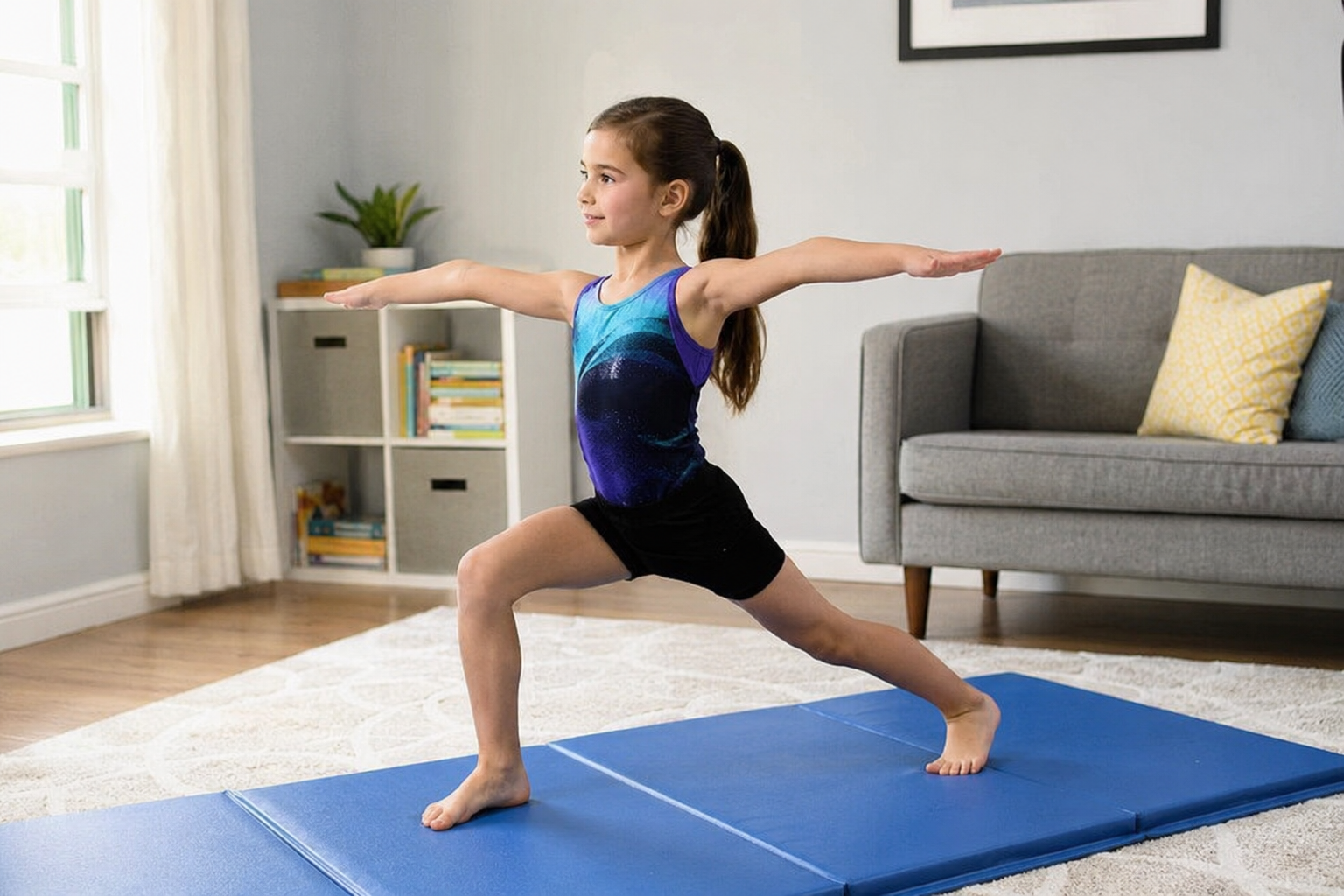
One of the biggest ways gymnastics helps kids build confidence is through learning new skills. A child may begin with simple movements such as jumping, balancing, rolling, or basic stretches. With practice, the child may eventually learn more advanced movements.
When children successfully complete a skill that once seemed difficult, they experience a strong sense of achievement. They begin to understand that effort can lead to improvement.
For example, a child who struggles to hold a balance position may feel frustrated at first. After practicing regularly, the child may be able to hold the position for several seconds. That small achievement can create a powerful message in the child’s mind: I practiced, I improved, and I can do difficult things.
These experiences can help children develop self belief that extends beyond gymnastics.
Gymnastics Teaches Children to Set Goals
Goal setting is another important part of building confidence in kids. Gymnastics naturally provides children with short term and long term goals.
A beginner may want to improve balance. Another child may want to learn a handstand or improve flexibility. Older gymnasts may work toward more advanced routines or competition goals.
When children set realistic goals and work toward them, they learn that success does not always happen immediately. They learn to focus on progress rather than expecting perfection.
Reaching a goal can make children feel proud of themselves. Even when they do not achieve a goal quickly, they learn valuable lessons about patience and persistence. These lessons can help them become more confident when facing challenges at school and in other activities.
Practice Teaches Kids That Mistakes Are Normal
Children can sometimes become afraid of making mistakes because they think mistakes mean they are not good enough. Gymnastics can help change this way of thinking.
Learning gymnastics skills requires repeated practice. A child may not perform a movement correctly on the first attempt. Coaches can help children understand what went wrong and how they can improve.
This teaches an important lesson. Making a mistake does not mean failure. It means there is something new to learn.
Over time, children can become more comfortable with mistakes. They may become more willing to try again instead of giving up. This attitude can strengthen confidence and help them approach difficult situations with a more positive mindset.
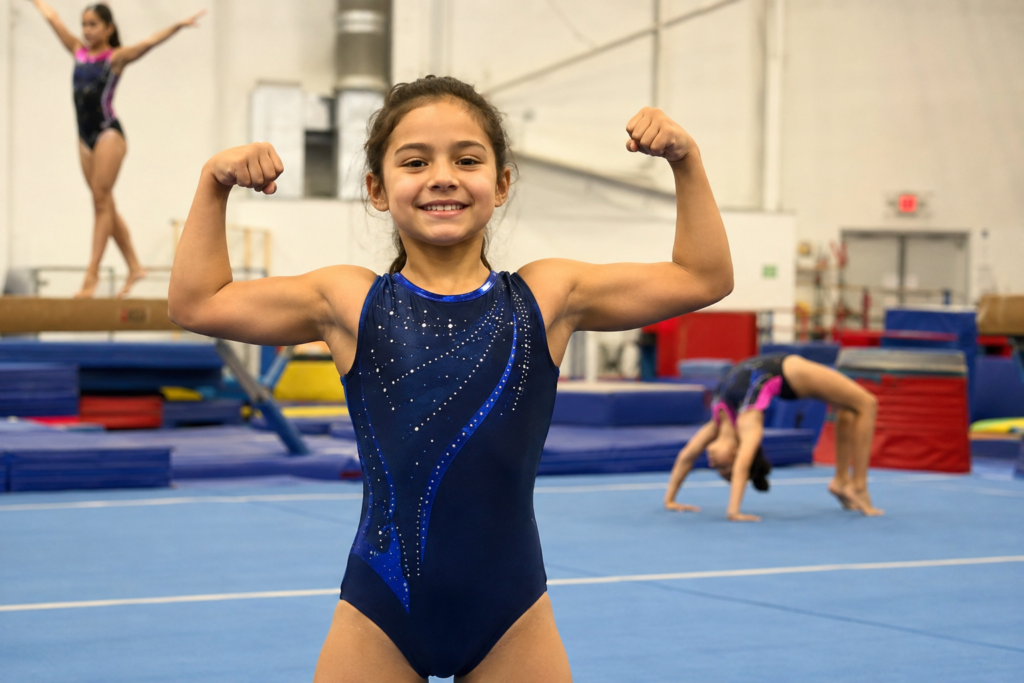
Physical Strength Can Improve Confidence
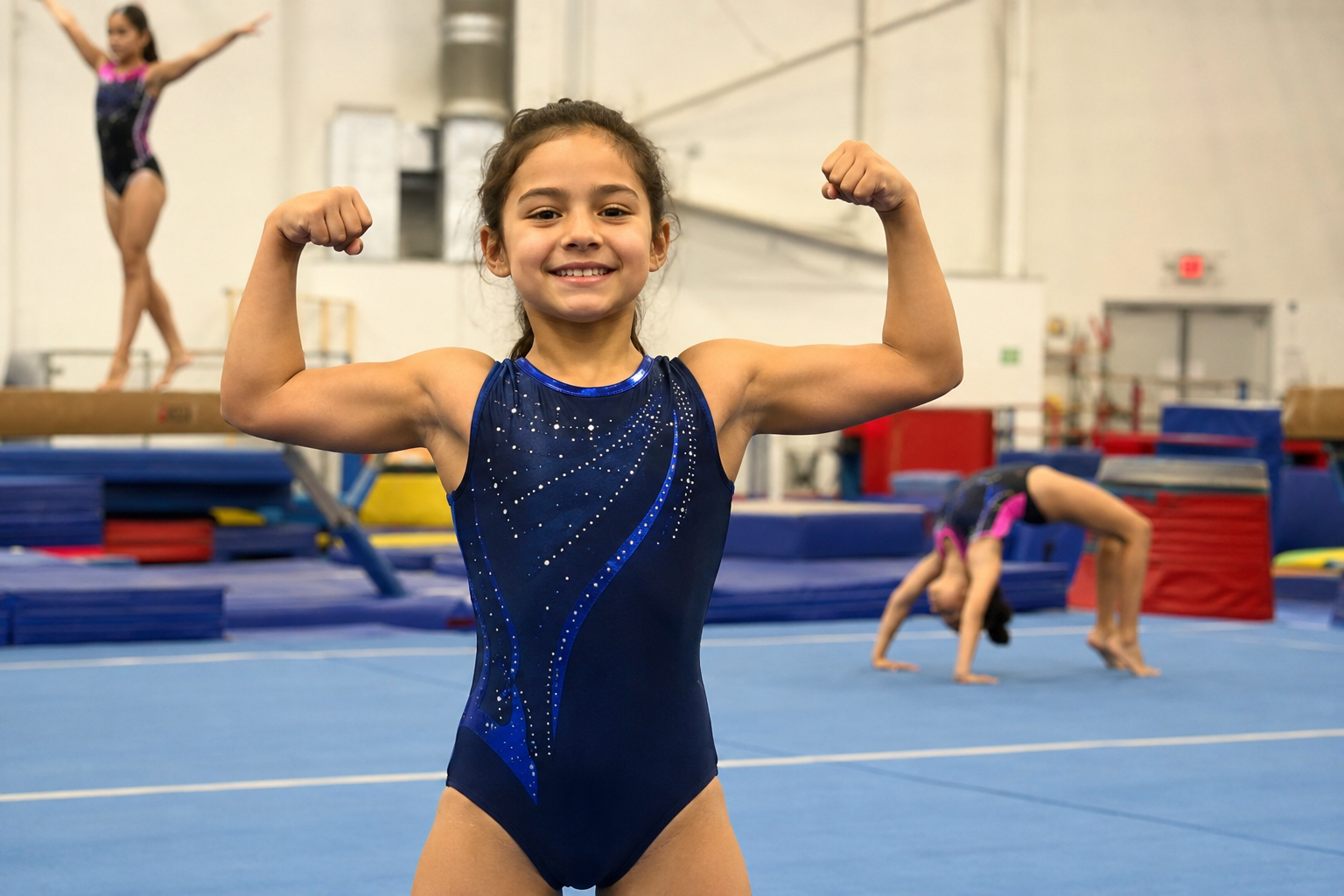
Gymnastics helps children develop physical strength, flexibility, balance, coordination, and body control. As children become physically stronger, they may also become more aware of what their bodies can do.
A child who once struggled to climb, balance, or perform a basic movement may notice significant improvement after regular training. This physical progress can create a stronger connection between effort and achievement.
Feeling stronger and more capable can make children feel better about themselves. It can also encourage them to participate in other physical activities with greater confidence.
Gymnastics Encourages Independence
Children often need to follow instructions when learning gymnastics, but they also learn to take responsibility for their own progress. They must listen to coaches, remember techniques, practice skills, and understand their own limitations.
As children become more experienced, they may start recognizing which skills need more practice. They learn to pay attention to their bodies and make thoughtful decisions during training.
This growing independence can improve confidence. Children begin to feel that they have control over their learning and development.
Performing in Front of Others Builds Courage
Gymnastics can sometimes involve performing routines in front of coaches, teammates, parents, or judges. For some children, this can feel uncomfortable at first.
Standing in front of others and performing requires courage. With practice, children can become more comfortable being watched while they perform.
Even if a routine is not perfect, completing it can make a child feel proud. This experience may help reduce fear of public performance and increase confidence in social situations.
The ability to perform in front of others can also be useful in school presentations, classroom activities, and other situations where children need to speak or demonstrate something.
Positive Coaching Supports Confidence
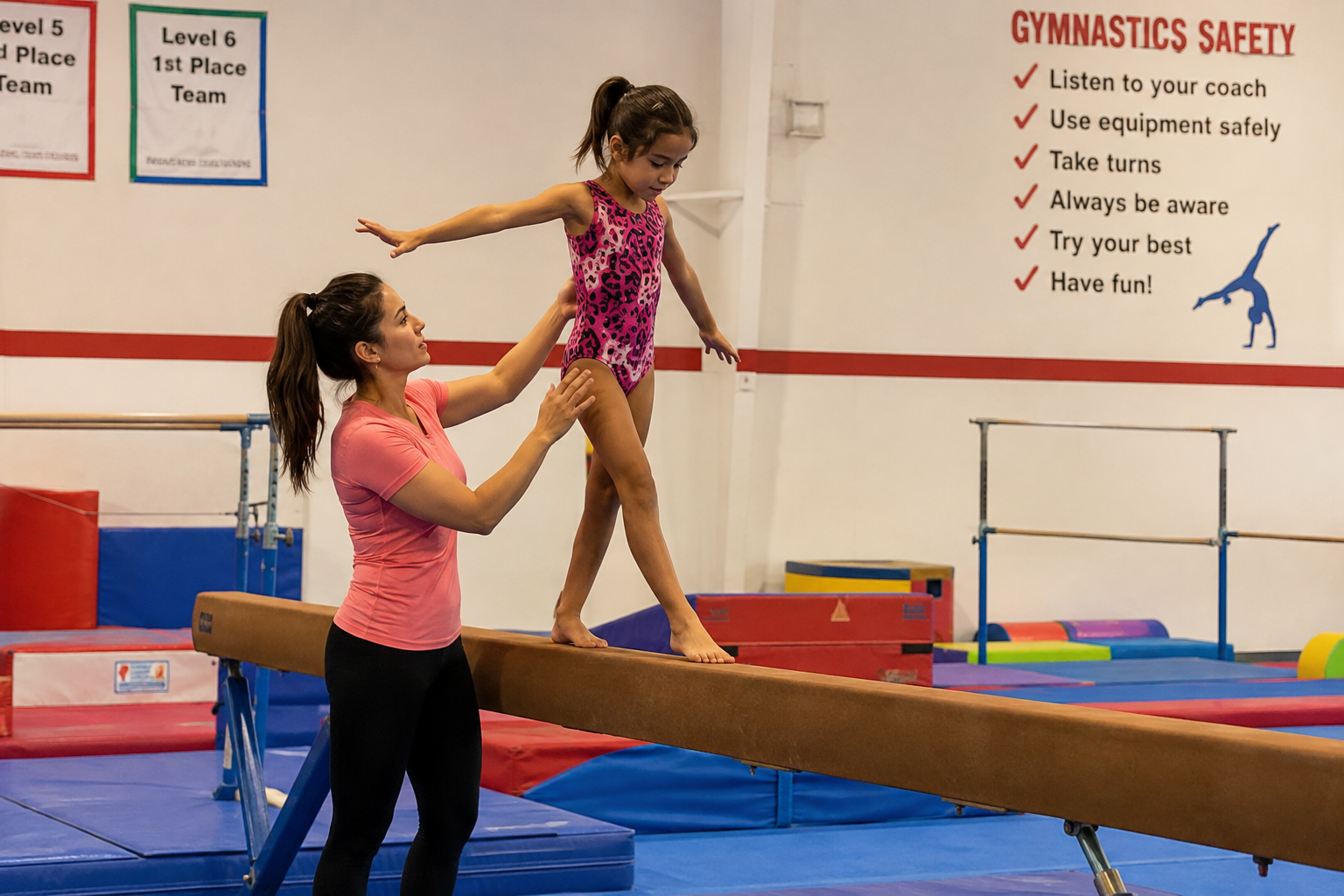
A supportive gymnastics coach can have a major influence on a child’s confidence. Good coaches understand that children develop at different speeds. They encourage effort, patience, and improvement instead of focusing only on perfect performance.
Positive feedback can help children recognize their progress. A coach might praise a child for trying again after a mistake or for improving a movement.
This type of encouragement teaches children that their effort has value. It also helps create a positive learning environment where children feel comfortable asking questions and trying new skills.
Teamwork Helps Children Feel Connected
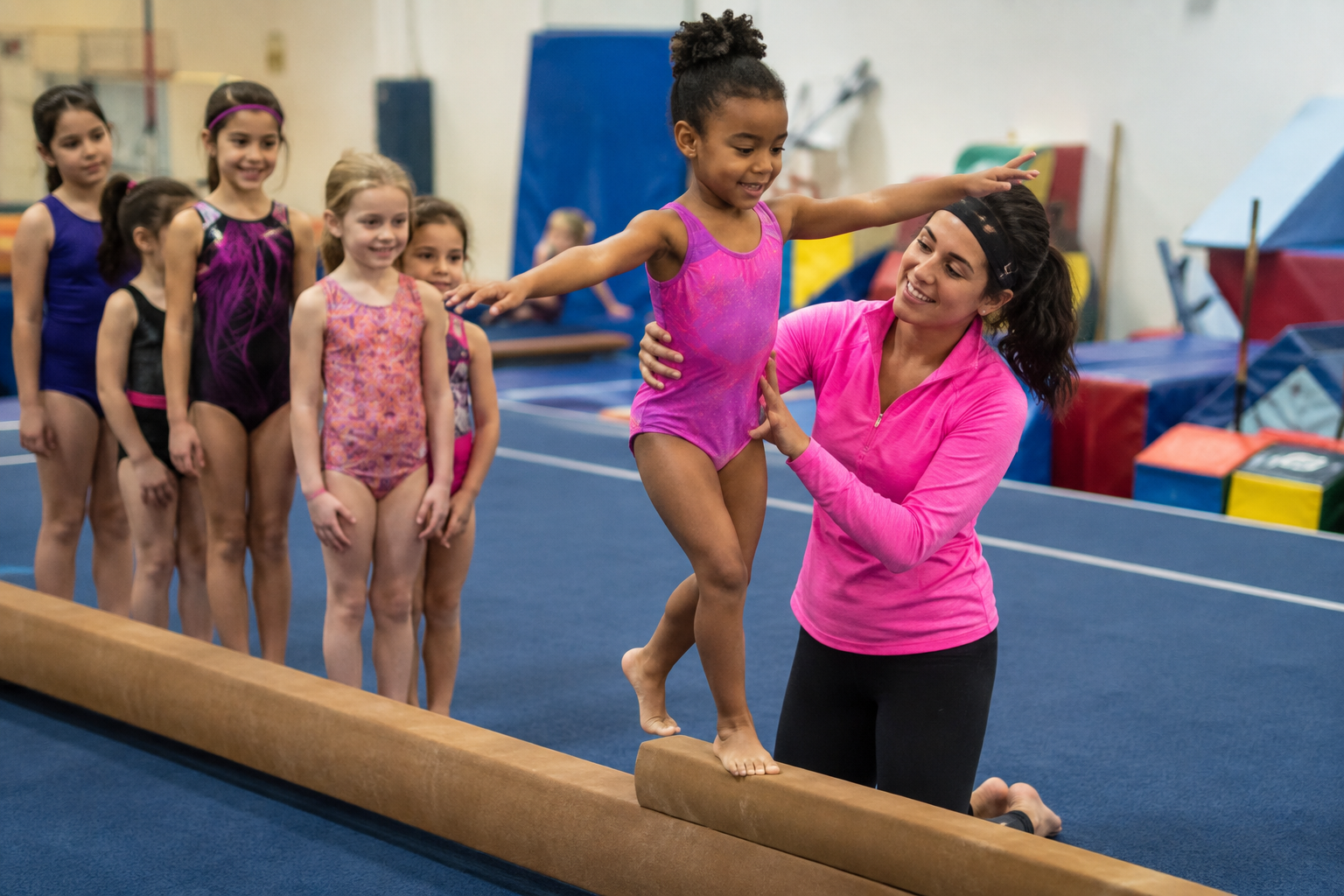
Although gymnastics often involves individual skills, children also train around other gymnasts. They learn to share space, listen to instructions, encourage teammates, and respect others.
Being part of a gymnastics group can help children develop social confidence. They may make new friends and learn how to communicate with children who have different personalities and abilities.
A supportive team environment can make children feel that they belong. Feeling accepted and connected to others is an important part of healthy confidence.
Gymnastics Teaches Discipline and Patience
Confidence grows when children understand that improvement takes time. Gymnastics teaches this lesson naturally because many skills require regular practice.
A child may need weeks or months to develop a particular movement. Instead of expecting immediate success, children learn to keep working toward improvement.
This develops discipline and patience. When children see that consistent effort produces results, they become more confident in their ability to achieve other goals.
Children Learn to Handle Challenges
Gymnastics can be challenging both physically and mentally. Some skills may look easy but require significant concentration and control.
When children face these challenges, they learn how to manage frustration and nervousness. They also learn that difficult tasks can become easier with practice.
This ability to handle challenges can become useful in many areas of life. A child who learns to stay patient while practicing gymnastics may also become more willing to work through difficult school assignments or unfamiliar situations.
Progress Matters More Than Perfection
One of the most valuable lessons gymnastics can teach children is that progress is more important than perfection.
Every child develops at a different pace. Some children may learn certain skills quickly while others need more time. Comparing children too much can reduce confidence.
Parents and coaches can support confidence by celebrating personal improvement. A child should feel proud when they improve their flexibility, balance, strength, or technique, even if they are still learning.
When children learn to focus on their own progress, they can develop a healthier view of success.
How Parents Can Support Confidence Through Gymnastics
Parents can play an important role in helping children gain confidence through gymnastics. The best approach is to focus on encouragement rather than pressure.
Parents can ask children what they enjoyed during practice and celebrate their effort. They can remind children that learning takes time and that mistakes are part of the process.
It is also important to avoid comparing a child with other gymnasts. Every child has different strengths, abilities, and learning speeds.
Simple encouragement such as praising effort, patience, courage, and improvement can make gymnastics a positive experience.
Conclusion
Gymnastics helps kids build confidence by giving them regular opportunities to learn, practice, improve, and overcome challenges. From learning new skills to performing in front of others, children experience many situations that encourage self belief and personal growth.
The sport teaches children that mistakes are normal, goals require patience, and consistent effort can create progress. It can also improve physical strength, independence, teamwork, discipline, and social confidence.
Most importantly, gymnastics gives children the opportunity to discover what they are capable of achieving. When children see themselves improving through practice, they begin to believe in their own abilities. This confidence can stay with them long after they leave the gym and can help them face challenges in school, friendships, sports, and everyday life with greater courage.