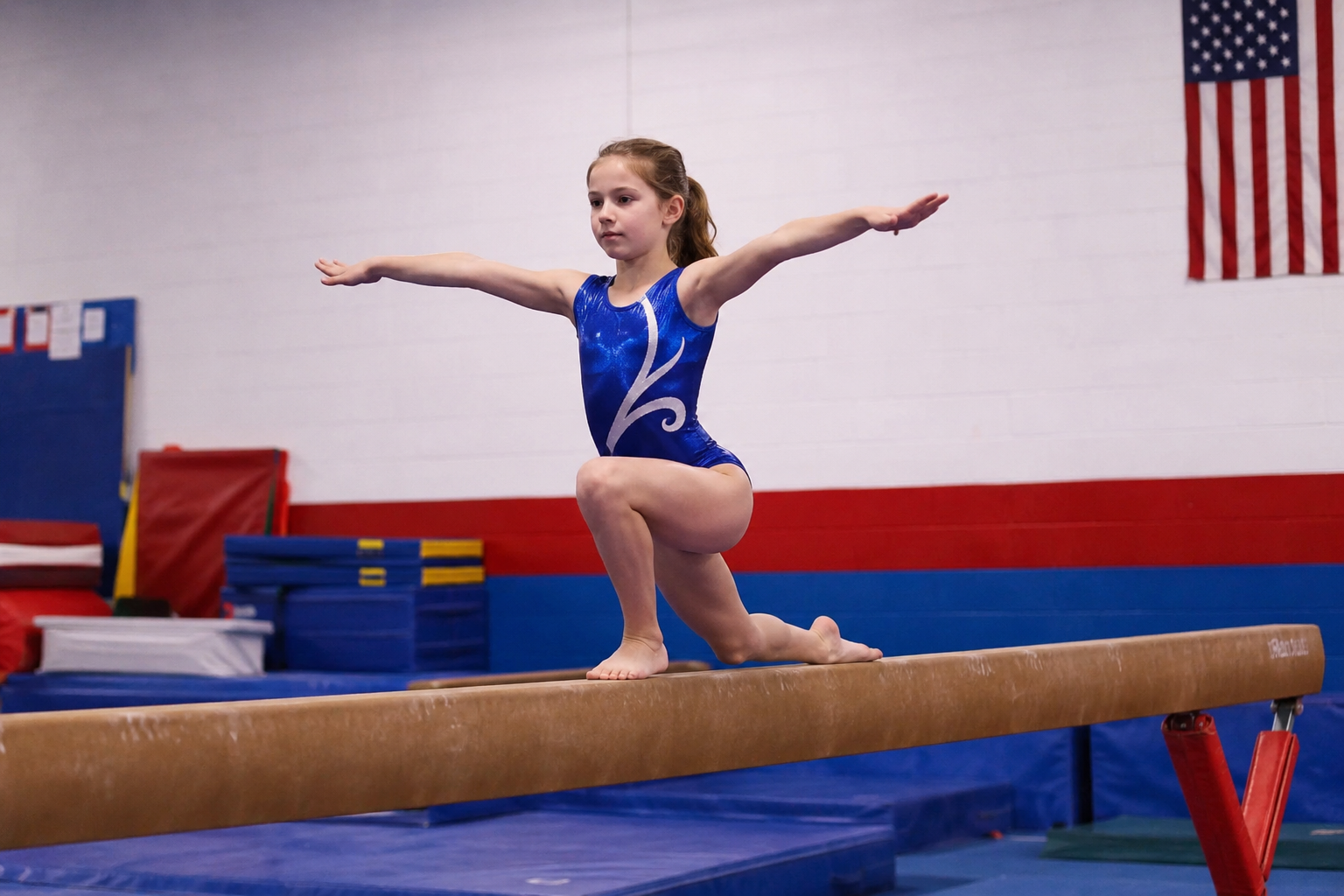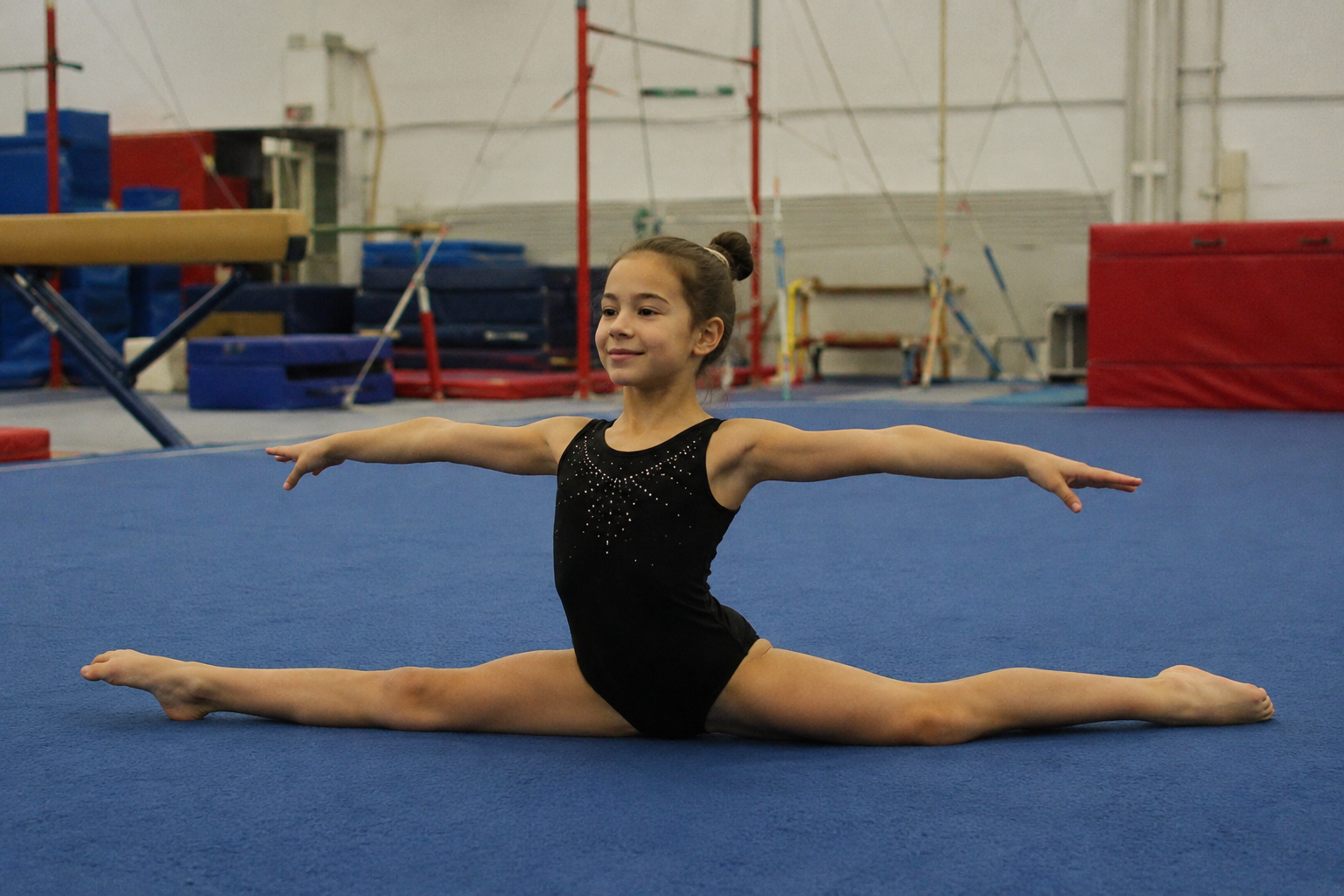
Gymnastics is an exciting sport that requires strength, flexibility, balance, coordination, and excellent body control. During gymnastics practice, your muscles work hard and your body uses a lot of energy. Whether you are a beginner or an experienced gymnast, proper recovery after training is an important part of improving performance and staying healthy.
Many gymnasts focus mainly on exercises and skills but forget that recovery is equally important. Your body needs enough time, food, water, and rest to repair muscles and prepare for the next practice. Following the best recovery tips after gymnastics practice can help reduce muscle soreness, support flexibility, improve energy levels, and lower the risk of injuries.
Cool Down After Gymnastics Practice
One of the first steps for better gymnastics recovery is having a proper cool down. After intense training, do not suddenly stop all activity and leave the gym. Spend around five to ten minutes doing light movements such as slow walking, gentle jogging, or easy mobility exercises.
A cool down allows your body to gradually return to its normal resting state. It can also help your muscles relax after difficult movements such as jumps, handstands, tumbling, and strength exercises.
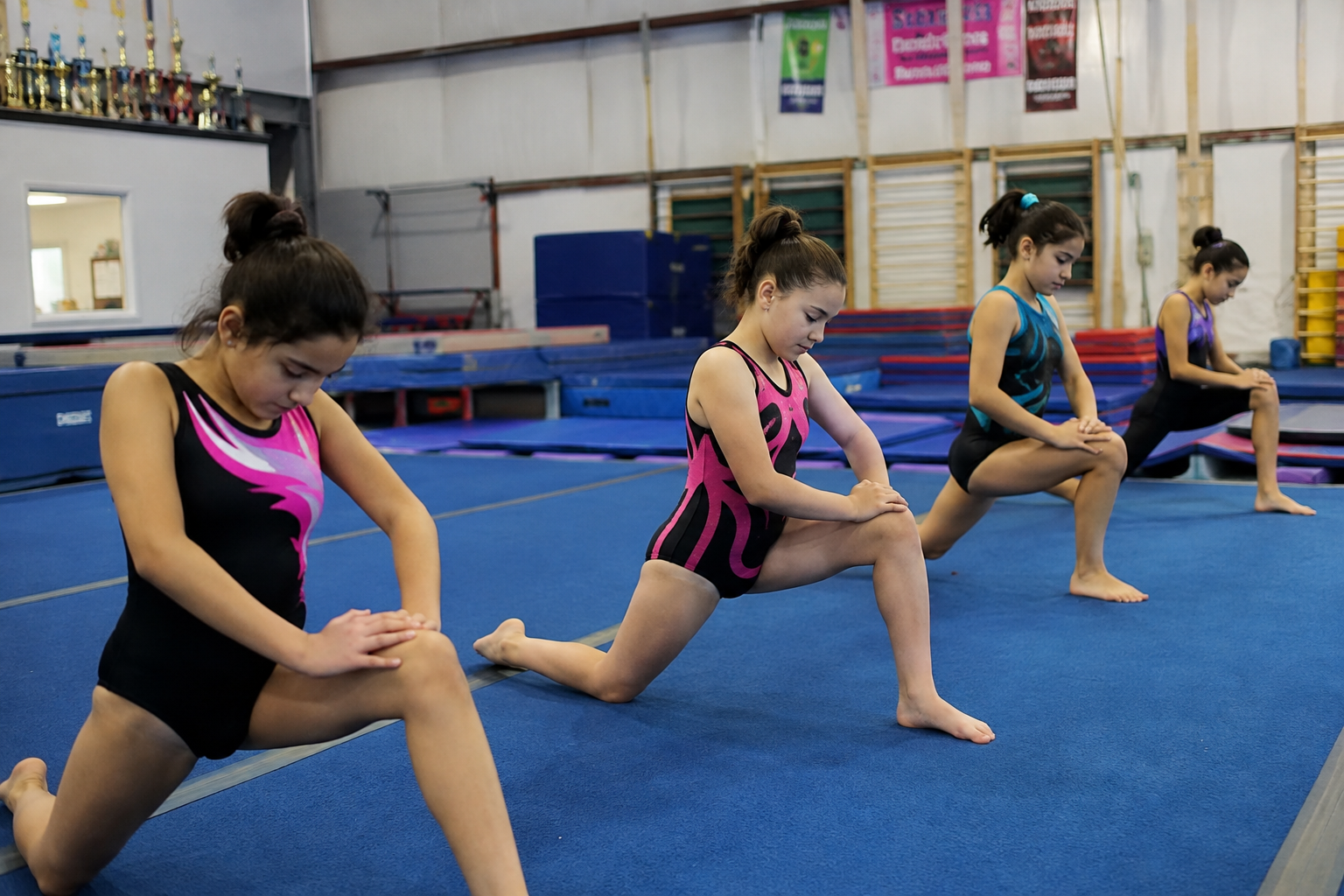
Gentle stretching can also be included during your cool down. Avoid forcing your body into deep stretches when your muscles are already tired. Comfortable and controlled stretching is usually a better choice after practice.
Drink Enough Water
Hydration is one of the most important gymnastics recovery tips. You lose water through sweat during training, especially during long or intense practice sessions. If you do not replace those fluids, you may feel tired and have difficulty recovering.
Drink water before, during, and after gymnastics practice. After training, continue drinking water according to your thirst and activity level. If you have had a very long session or have been sweating heavily, a drink containing electrolytes may also be useful.
Good hydration supports normal muscle function and helps your body recover after physical activity. Do not wait until you feel extremely thirsty before drinking.
Eat a Balanced Recovery Meal
Nutrition plays a major role in muscle recovery after gymnastics. Your body needs nutrients to repair tissues and restore the energy used during training.
A good recovery meal should include protein, carbohydrates, healthy fats, fruits, and vegetables. Protein sources can include eggs, milk, yogurt, chicken, fish, beans, lentils, and other protein rich foods. Carbohydrates such as rice, potatoes, oats, whole grain bread, and fruits can help restore energy.
For example, you could have eggs with whole grain toast and fruit, yogurt with oats and berries, or chicken with rice and vegetables. The exact meal depends on your personal needs, training schedule, and overall diet.
Instead of focusing on one specific recovery food, aim for a balanced diet throughout the day.
Get Enough Sleep
Sleep is one of the most powerful recovery tools available to gymnasts. During sleep, the body gets time to repair muscles and recover from physical and mental stress.
Poor sleep can make you feel tired during practice and may affect concentration, coordination, reaction time, and motivation. Gymnastics requires precise movements, so being well rested is especially important.
Try to maintain a consistent sleep schedule. Create a relaxing bedtime routine and reduce distractions before going to bed. Young athletes often need more sleep than adults because their bodies are still growing and developing.
If you train hard but regularly sleep too little, your recovery may suffer even when your workouts and nutrition are good.
Use Gentle Stretching
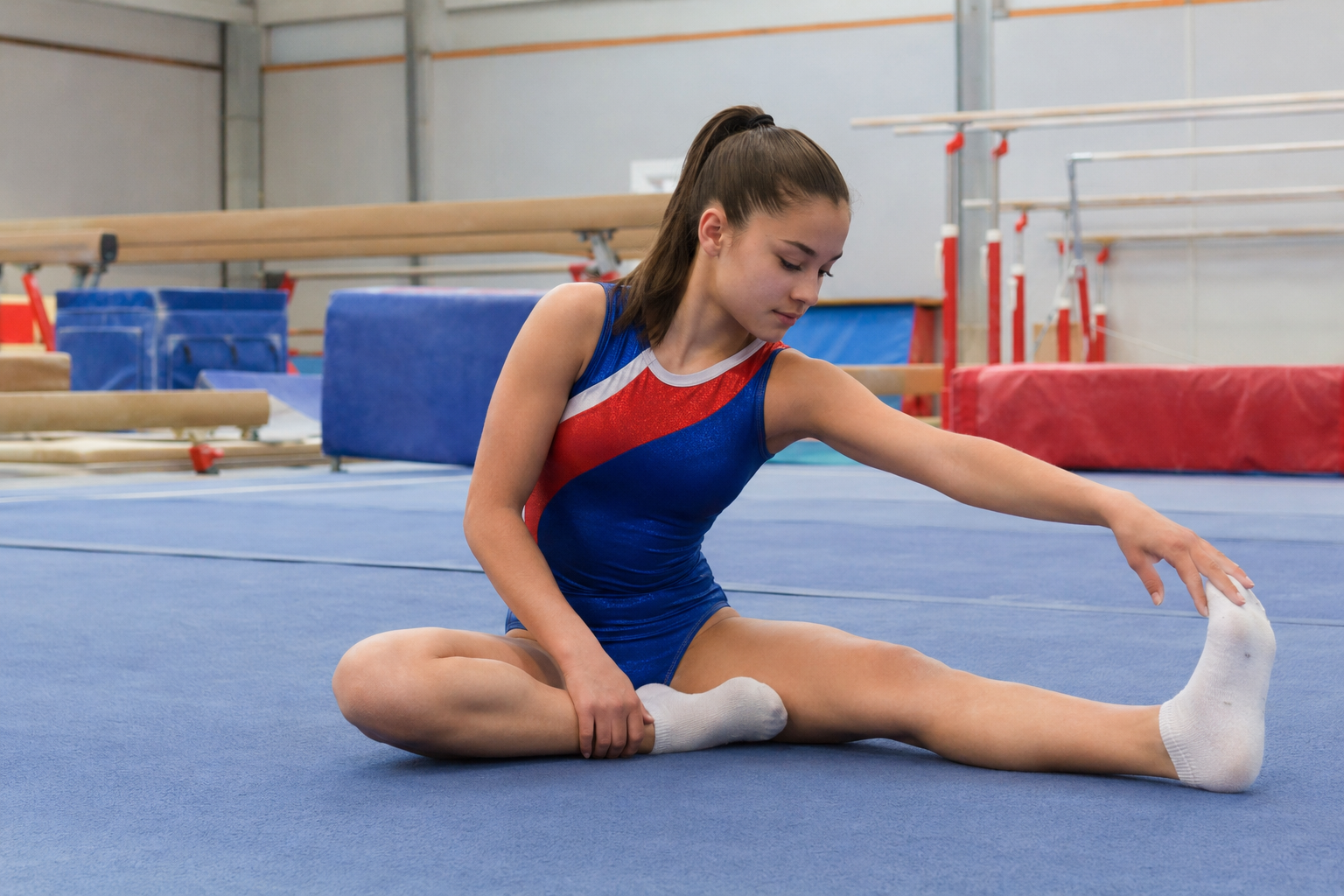
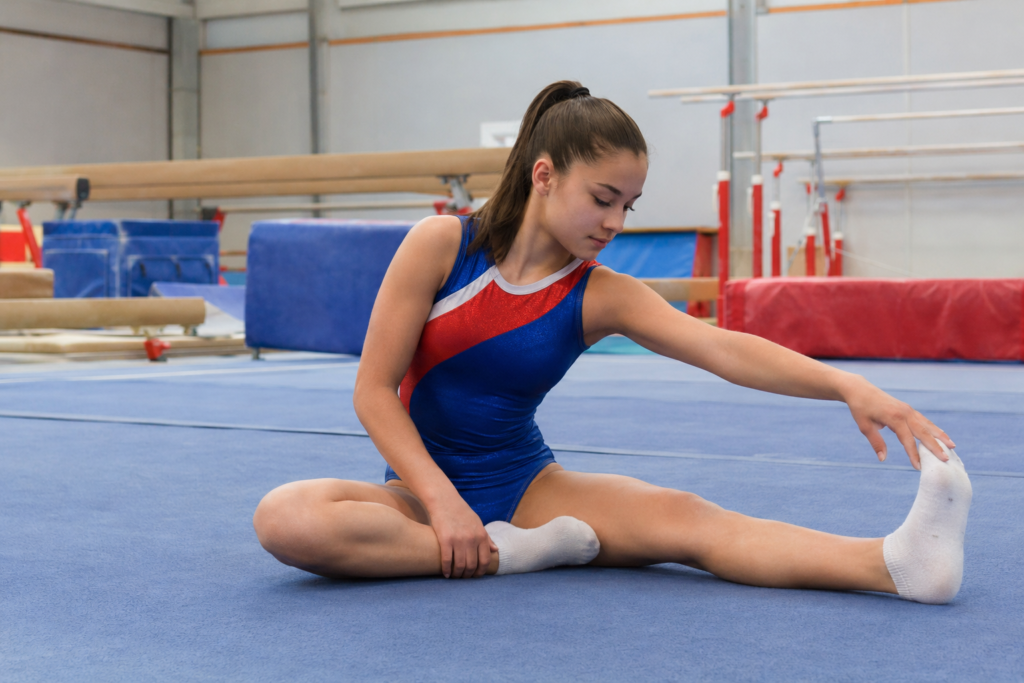
Flexibility is an important part of gymnastics, but stretching should be done carefully after training. Gentle stretching can help you relax and maintain comfortable movement after practice.
Focus on major muscle groups that were used during your workout, including the legs, hips, shoulders, back, and arms. Hold each comfortable stretch without bouncing or forcing the body into a painful position.
Remember that flexibility develops gradually. Trying to force a deeper split or extreme position when your muscles are tired can increase discomfort and may lead to injury. Recovery stretching should feel controlled and comfortable.
Give Your Muscles Time to Rest
Rest days are not wasted days for gymnasts. They are an important part of training. Muscles need time to repair after demanding exercise, and constantly training without enough recovery can leave you feeling exhausted.
Depending on your training schedule, a rest day may involve no structured exercise or only light activities such as walking and gentle mobility work.
Pay attention to how your body feels. Normal muscle tiredness can happen after a challenging workout, but persistent pain, unusual weakness, swelling, or reduced movement should not simply be ignored.
A balanced gymnastics training program should include both challenging sessions and appropriate recovery periods.
Try Light Movement on Recovery Days
Complete rest is not always necessary after every gymnastics session. Light movement can be useful when your body feels generally tired but not injured.
Walking, easy cycling, gentle mobility exercises, or relaxed stretching can keep your body moving without adding significant training stress.
The goal of active recovery is to stay comfortable and relaxed. It should not become another hard workout. If you finish active recovery feeling more exhausted, the activity was probably too intense.
Take Care of Sore Muscles
Muscle soreness can happen after gymnastics practice, particularly when you perform new exercises or increase your training volume. Gentle movement, adequate hydration, good nutrition, and sleep can support normal recovery.
Some athletes also find comfortable massage or foam rolling helpful for temporary muscle tightness. These methods should be gentle rather than painful.
It is important to understand the difference between normal muscle soreness and possible injury. Sharp pain, significant swelling, instability, or pain that continues to get worse may require evaluation by a qualified healthcare professional.
Do not use pain as a measure of whether your recovery method is working. Recovery should help your body feel better, not cause additional pain.
Eat Protein Throughout the Day
Protein is important for muscle repair and development. Gymnasts can benefit from including protein in regular meals and snacks rather than relying only on one large meal after training.
Foods such as eggs, yogurt, milk, chicken, fish, beans, lentils, tofu, and nuts can be part of a balanced eating pattern.
You do not necessarily need expensive supplements to recover well. A varied diet can provide many of the nutrients your body needs. If you are unsure about your nutrition, especially if you train frequently, consider speaking with a qualified sports dietitian.
Do Not Ignore Mental Recovery
Gymnastics is physically demanding, but it can also be mentally challenging. Learning new skills, preparing for competitions, and trying to improve performance can create stress.
Mental recovery is therefore another important part of gymnastics recovery. Give yourself time to relax after practice. Spend time with family or friends, enjoy hobbies, listen to music, read, or do another activity that helps you feel calm.
Avoid judging every training session only by how many skills you learned. Progress can sometimes be slow, and recovery gives your mind a chance to reset.
Keep a Recovery Routine
Creating a simple post gymnastics recovery routine can make healthy habits easier to follow. After practice, you might drink water, complete a short cool down, eat a balanced meal, take a shower, relax, and get enough sleep.
A consistent routine can help you prepare for the next training session. It also makes it easier to notice changes in your energy, soreness, flexibility, and performance.
You can keep a simple training journal and record how you feel after each practice. Over time, this may help you understand which habits support your best performance.
Listen to Your Body
One of the best recovery tips after gymnastics practice is learning to listen to your body. Every gymnast has different training needs, recovery abilities, and fitness levels.
Feeling tired after practice is normal, but constant exhaustion is not something you should ignore. If your performance keeps decreasing, you struggle to recover between sessions, or you experience ongoing pain, speak with your coach and an appropriate healthcare professional.
Recovery is not about avoiding hard work. It is about giving your body the support it needs to handle that hard work.
Conclusion
Proper recovery after gymnastics practice is essential for improving performance, supporting muscle repair, and maintaining long term fitness. Simple habits such as cooling down, drinking enough water, eating balanced meals, getting quality sleep, stretching gently, taking rest days, and managing stress can make a significant difference.
The best gymnastics recovery routine is one that fits your training level and individual needs. Remember that progress does not happen only when you are practicing skills. Your body also adapts and becomes stronger while you recover.
By making recovery a regular part of your gymnastics routine, you can return to practice feeling more prepared, energized, and focused. Good recovery helps you train consistently while giving your body the time and support it needs to perform at its best.