Good posture is important for the way you stand, sit, walk, and move throughout the day. Many people develop poor posture because of long hours spent sitting, using phones, working on computers, or following an inactive lifestyle. Over time, weak muscles and limited body awareness can make it difficult to maintain a natural and comfortable position.
This is where gymnastics can be helpful. Gymnastics involves strength, flexibility, balance, coordination, and body control. These skills can support better posture when they are practiced correctly and consistently. Gymnastics posture training can help people become more aware of their body while strengthening important muscles that support the spine.
How Gymnastics Can Improve Posture
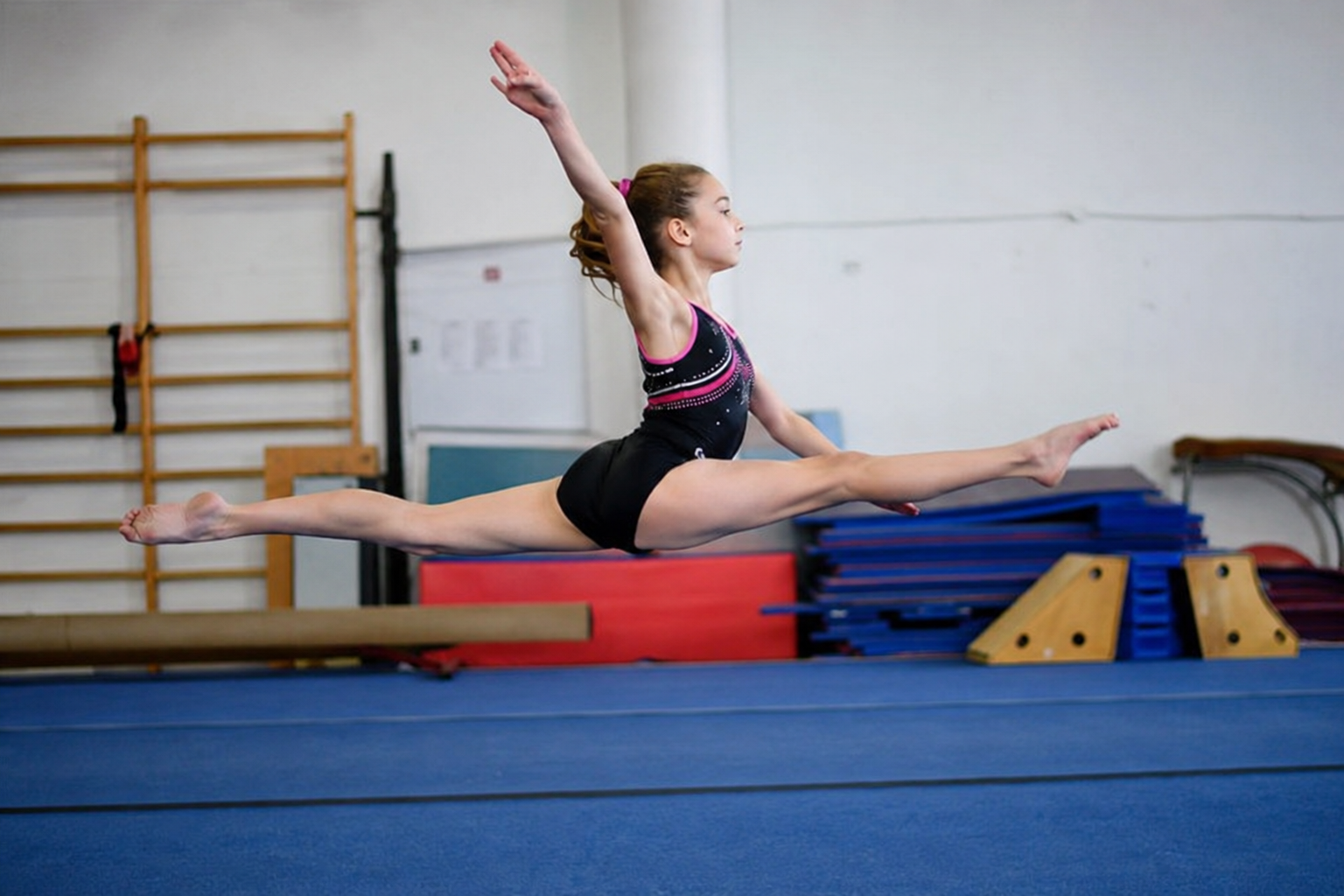
Gymnastics requires athletes to keep their bodies controlled during different movements. Whether someone is learning a basic roll, handstand, bridge, balance exercise, or another gymnastics skill, proper body alignment is important.
Regular gymnastics training can strengthen the core, back, shoulders, hips, and legs. These muscles play an important role in keeping the body stable and upright. When these muscles become stronger, it can become easier to maintain good posture during everyday activities.
Gymnastics also teaches body awareness. Athletes learn how their body should be positioned during movement. This awareness can help them recognize when their shoulders are rounded, their back is excessively curved, or their head is positioned too far forward.
The Role of Core Strength in Good Posture
Core strength is one of the most important parts of posture. The core includes muscles around the abdomen, back, hips, and pelvis. These muscles help stabilize the body and support the spine.
Gymnastics naturally includes many movements that require strong core muscles. Exercises such as hollow body holds, planks, controlled leg raises, and basic balance movements can develop core strength.
A stronger core can make it easier to keep the spine in a comfortable position. It may also help reduce the habit of slouching while sitting or standing. However, core strength alone does not guarantee perfect posture. Good posture also depends on flexibility, muscle balance, movement habits, and body awareness.
Gymnastics and Back Strength
The muscles of the back help support the spine and control the position of the upper body. Weak back muscles can contribute to rounded shoulders and poor posture, especially when a person spends many hours sitting.
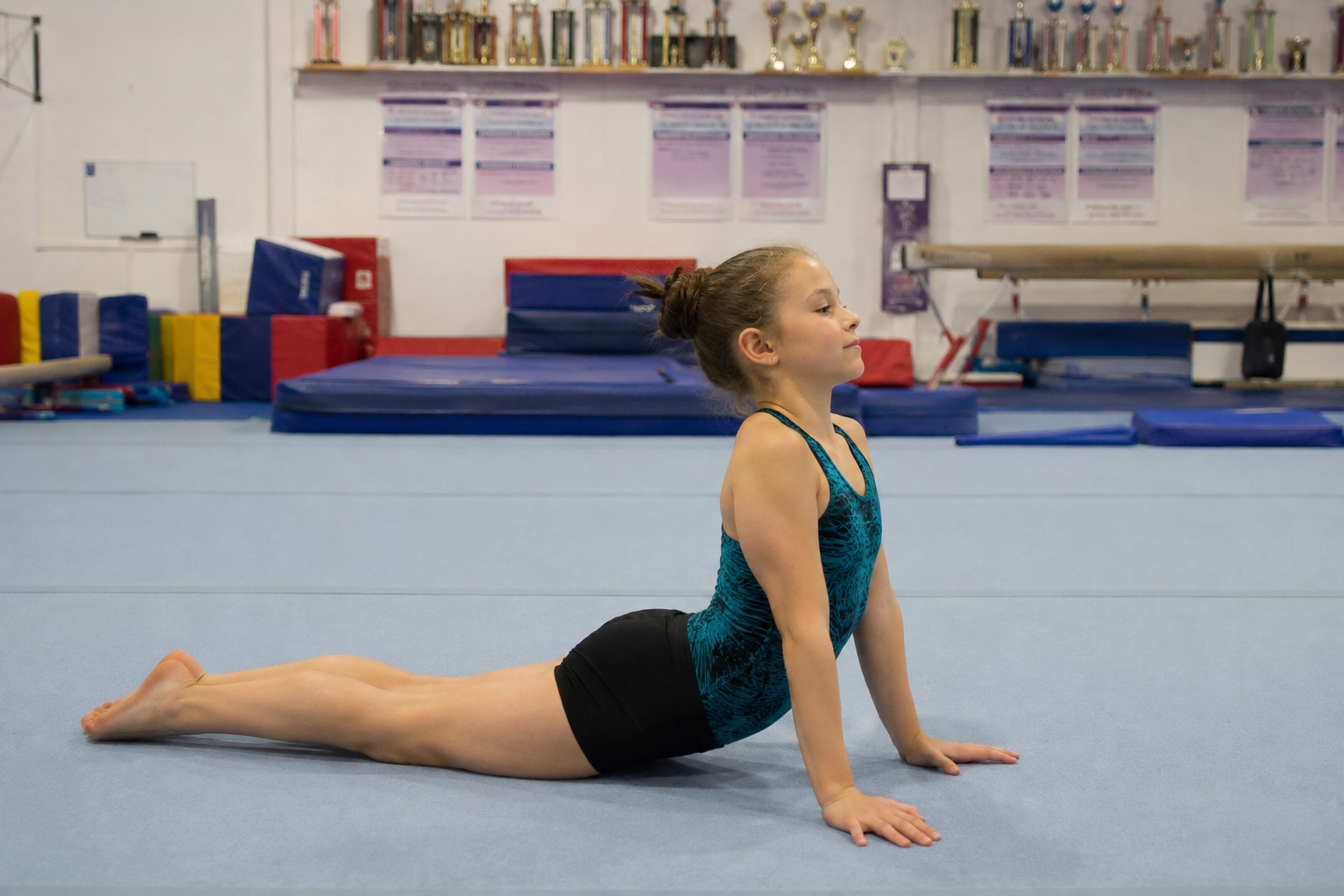
Gymnastics training can strengthen different parts of the back through controlled movements. Athletes often use exercises that require them to stabilize their shoulders, extend their spine, and control their body during different positions.
Basic gymnastics exercises can therefore be useful for developing back strength. Beginners should start with simple movements and focus on correct technique instead of trying difficult skills too quickly.
Improving Shoulder Position
Rounded shoulders are a common posture problem. They can develop when someone spends a lot of time sitting at a desk, looking down at a phone, or using a computer.
Gymnastics can help improve shoulder awareness and strength. Many gymnastics exercises require the shoulders to remain stable while the arms move through different positions.
Movements such as arm circles, wall exercises, controlled support positions, and basic gymnastics drills can help develop shoulder control. Stronger upper back and shoulder muscles can make it easier to maintain a more natural upper body position.
Flexibility is also important. Tight muscles around the chest and shoulders can make it harder to pull the shoulders into a comfortable position. A combination of strengthening and stretching can therefore be useful for improving posture.
Flexibility and Posture
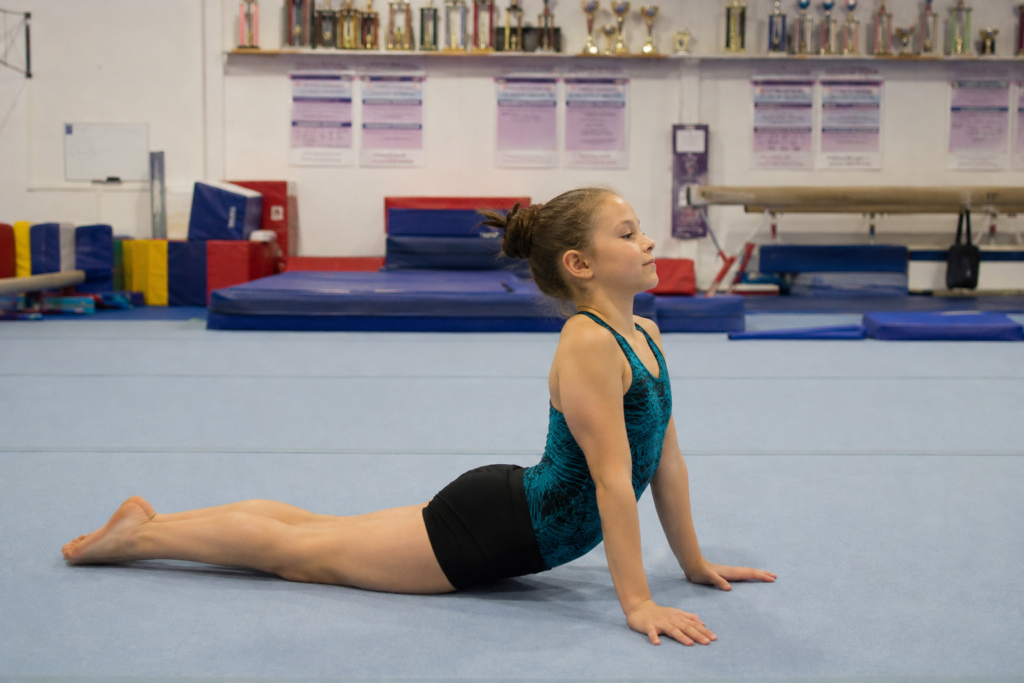
Good posture is not only about strength. Flexibility also matters because restricted movement can affect how the body naturally positions itself.
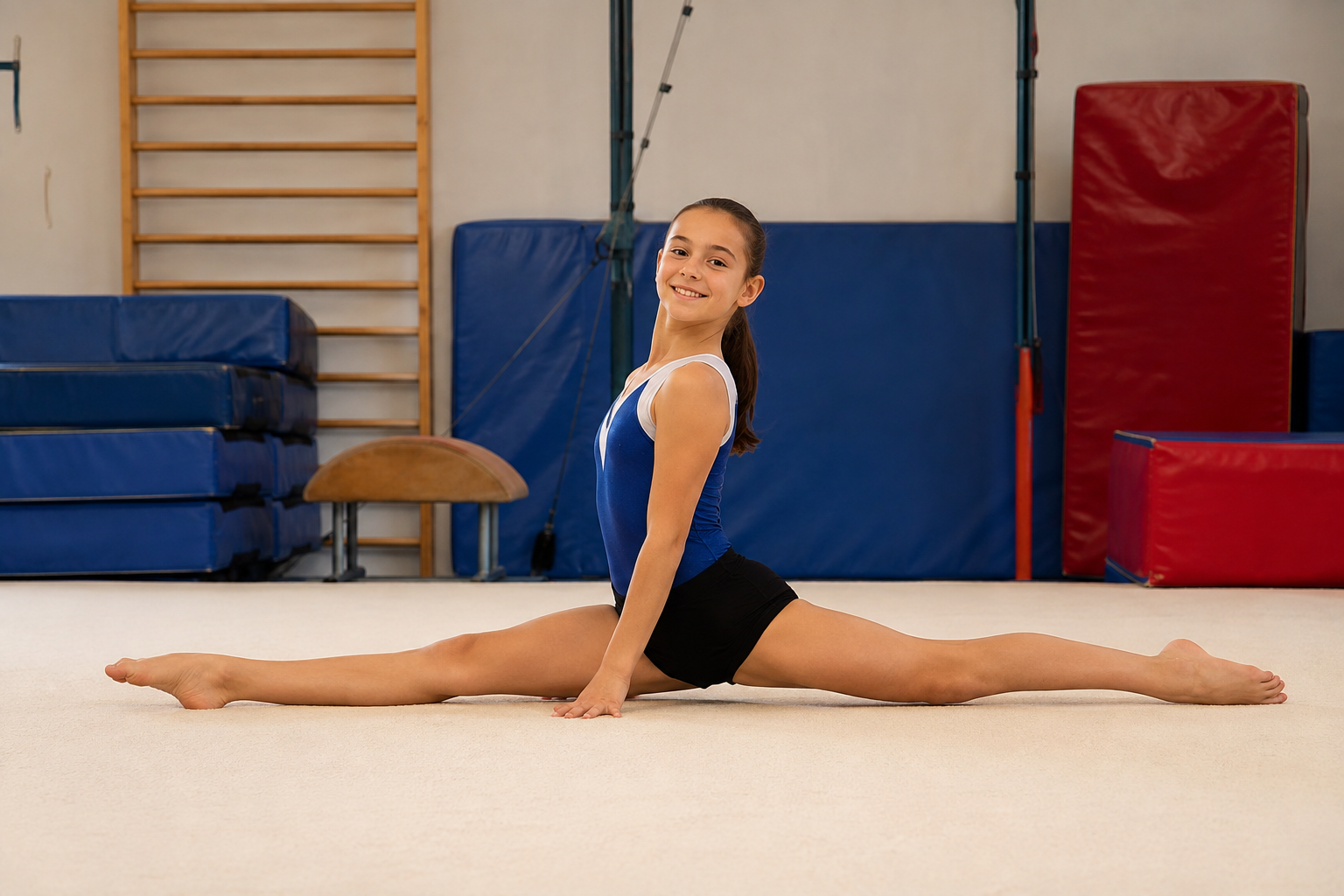
Gymnastics includes many stretching exercises that target the shoulders, hips, legs, and back. Better flexibility can allow the body to move more freely and maintain comfortable positions.
For example, tight hip muscles may affect the position of the pelvis, while tight shoulders can contribute to rounded upper body posture. Gentle stretching can help improve movement when performed regularly and safely.
Gymnastics flexibility training should always be gradual. Stretching too aggressively can cause pain or injury. Beginners should focus on controlled movements and avoid forcing their body into positions that feel uncomfortable.
Balance and Body Awareness
Another major benefit of gymnastics for posture is improved balance. Gymnasts spend a lot of time learning how to control their center of gravity.
Balance exercises teach the body to make small adjustments to stay stable. This can improve overall body awareness and coordination.
For example, standing on one leg may look simple, but it requires the muscles of the feet, legs, hips, core, and upper body to work together. These skills can transfer into everyday movement.
Better body awareness can also help a person notice poor posture earlier. Instead of remaining in a slouched position for a long time, they may become more aware that they need to adjust their position.
Gymnastics Exercises for Better Posture
Several basic gymnastics exercises can support better posture. Beginners should always focus on technique and controlled movement.
Plank
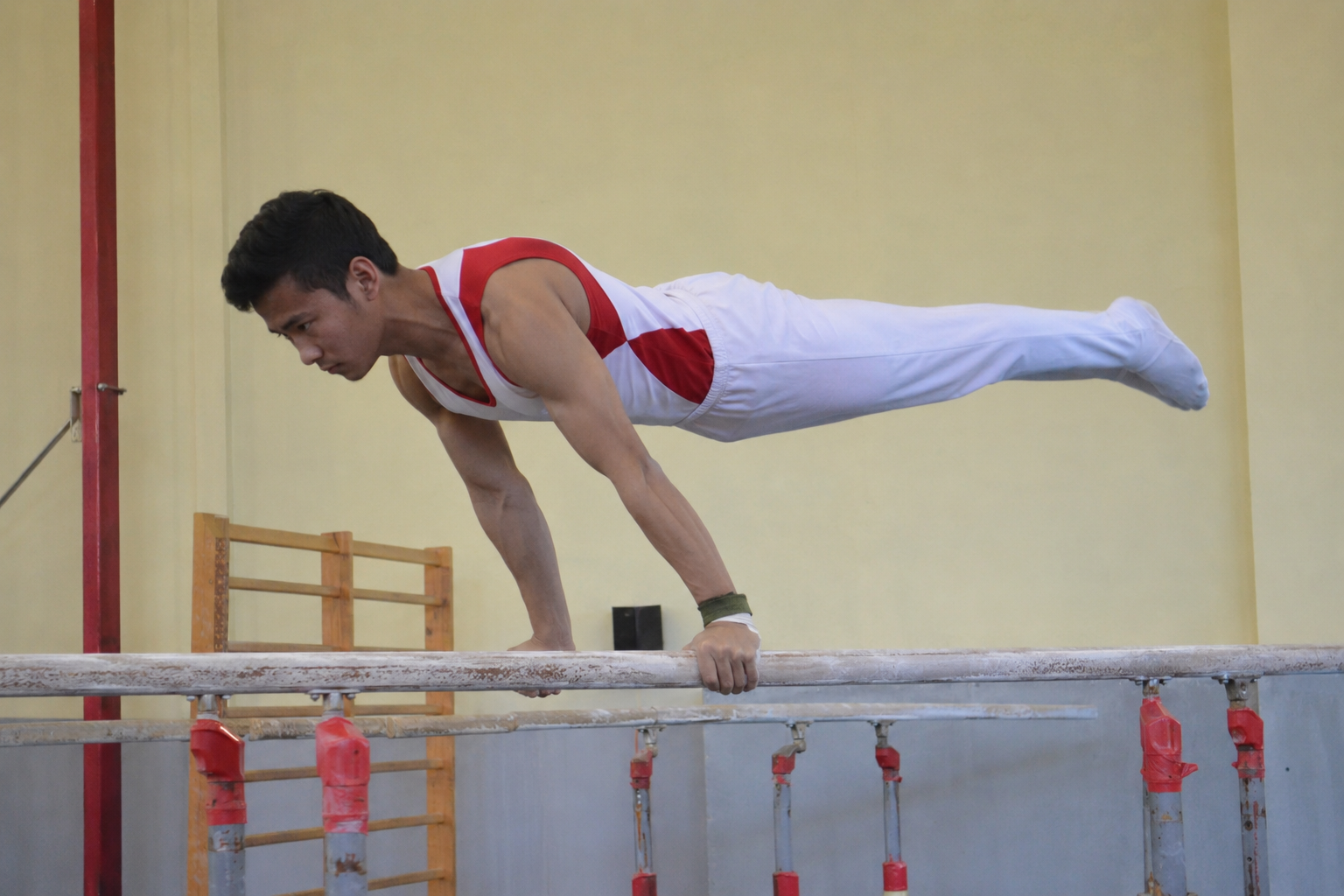
The plank is a simple exercise for strengthening the core. Keep the body in a straight line while supporting yourself with your hands or forearms and feet. Avoid allowing the lower back to drop or the hips to rise too high.
Hollow Body Hold
The hollow body position is a common gymnastics exercise that develops core control. Start with a comfortable version and gradually increase the difficulty as your strength improves.
Superman Exercise
The Superman exercise works muscles in the back and can help improve awareness of spinal positioning. Lie on your stomach and gently lift your arms and legs while keeping the movement controlled.
Wall Slides
Wall slides can help improve shoulder movement and upper body awareness. Stand against a wall and slowly move your arms while trying to maintain comfortable contact with the wall.
Balance Exercises
Simple balance drills can improve coordination and body control. Try standing on one leg for a short period while keeping your upper body tall and stable.
Can Gymnastics Fix Poor Posture?
Gymnastics can support better posture, but it is important to have realistic expectations. Poor posture can have many causes. It may be related to muscle weakness, limited flexibility, daily habits, previous injuries, structural differences, or other physical factors.
For some people, regular gymnastics exercises can make a noticeable difference. For others, additional strength training, mobility work, ergonomic changes, or professional guidance may be necessary.
Gymnastics should therefore be viewed as one useful method for supporting healthy posture rather than a guaranteed solution for every posture problem.
Gymnastics Posture Benefits for Children
Gymnastics can be especially useful for children because it encourages movement and body awareness from an early age. Children learn to control their bodies, develop coordination, improve balance, and build strength.
Regular physical activity can also help children avoid spending too much time in inactive positions. Learning correct movement patterns during gymnastics may help them develop better awareness of how they sit, stand, walk, and move.
Children should always train under appropriate supervision and use exercises that match their age and ability level. Difficult skills should not be attempted without proper instruction.
Gymnastics and Everyday Posture
The benefits of gymnastics do not have to stay inside the gym. The strength and awareness developed during training can be useful during normal daily activities.
A person may find it easier to sit upright while working, keep their shoulders relaxed while walking, or maintain better alignment while standing. However, good posture also requires healthy daily habits.
Taking regular breaks from sitting, adjusting your computer setup, keeping screens at a comfortable height, and staying physically active can all support better posture.
Tips for Using Gymnastics to Improve Posture
If your goal is to improve posture through gymnastics, start with basic exercises. There is no need to begin with advanced skills.
Focus on controlled movements and proper alignment. Train your core and back while also working on flexibility and balance. Avoid rushing into difficult exercises before developing enough strength.
Consistency is more important than doing a very hard workout once in a while. Short and regular sessions can be more useful than occasional intense training.
It is also important to listen to your body. Normal muscle effort is expected during exercise, but sharp pain or unusual discomfort should not be ignored.
Final Thoughts
So, can gymnastics help improve posture? Yes, gymnastics can be a useful way to support better posture because it combines strength, flexibility, balance, coordination, and body awareness.
Exercises that strengthen the core and back can help support the spine, while flexibility work can improve movement. Balance exercises can improve body control, and gymnastics technique can teach people to pay closer attention to alignment.
The most important thing is to practice consistently and use proper technique. Gymnastics alone may not correct every posture problem, but when combined with healthy daily habits, it can become a valuable part of a posture improvement routine.
For beginners, the best approach is simple. Start with basic gymnastics exercises, build strength gradually, improve flexibility, practice balance, and pay attention to how your body feels during movement. With patience and regular practice, these habits can help you develop stronger body control and better posture over time.