Gymnastics is an exciting physical activity that helps children become stronger, more active, confident, and disciplined. Many parents choose gymnastics for kids because it combines exercise with fun, movement, balance, and skill development. Children can learn different movements while improving their physical and mental abilities in a safe and structured environment.
The benefits of gymnastics for kids go beyond learning flips or handstands. Regular gymnastics training can support healthy growth, improve coordination, develop strength, and teach children important life skills. Whether a child is just starting gymnastics or wants to become more advanced, this sport can provide valuable experiences that support overall development.
Improves Physical Strength
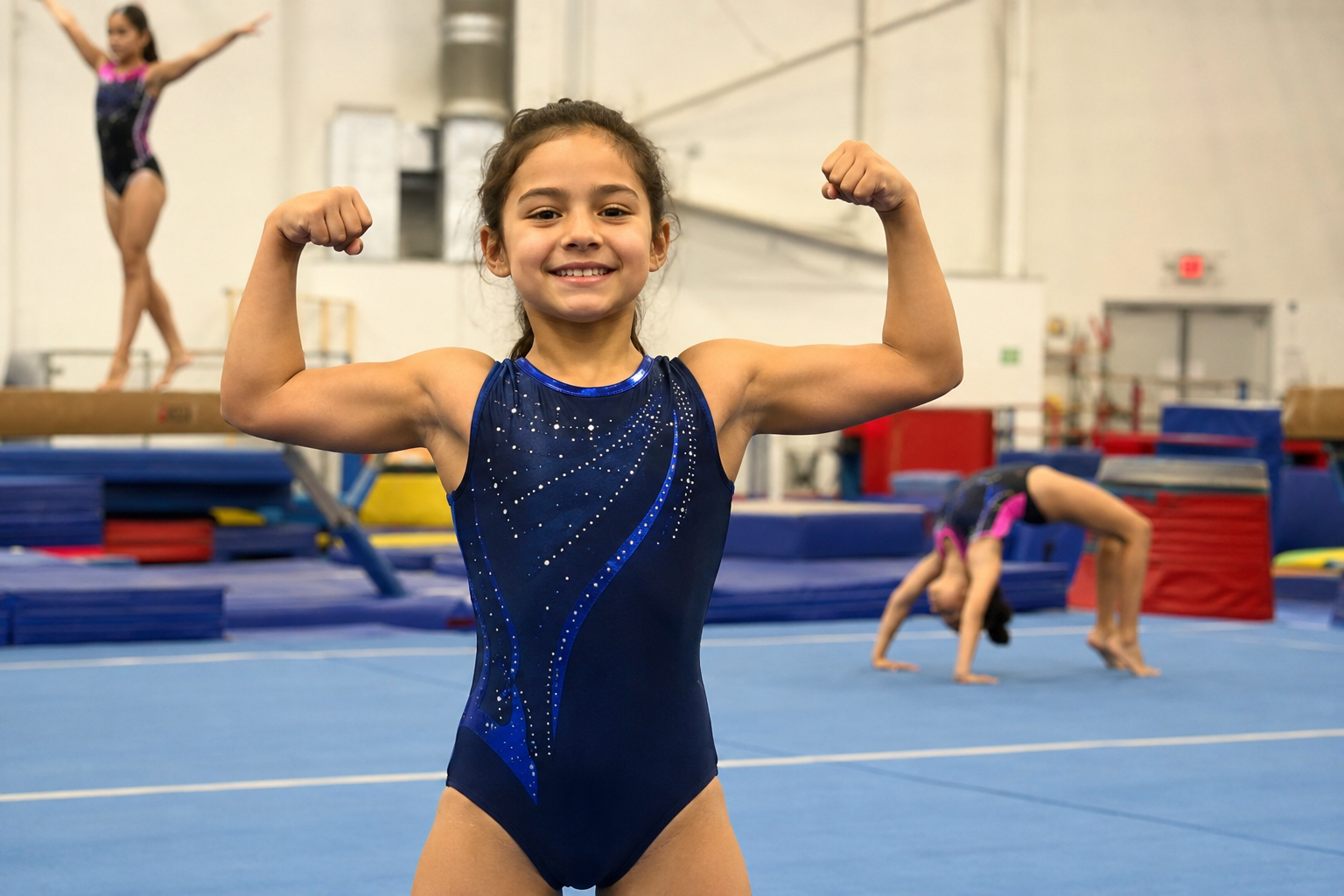
One of the biggest benefits of gymnastics for kids is improved physical strength. Gymnastics requires children to use many muscle groups while performing different movements. Activities such as climbing, jumping, balancing, hanging, and supporting the body help develop stronger arms, legs, shoulders, back, and core muscles.
Children usually build strength through regular practice rather than traditional weight training. Their body weight provides natural resistance during many gymnastics exercises. As children become stronger, they can perform movements with better control and confidence.
Strong muscles are also useful for everyday activities. Children may find it easier to run, jump, play sports, carry objects, and maintain good body control during normal physical activities.
Develops Flexibility
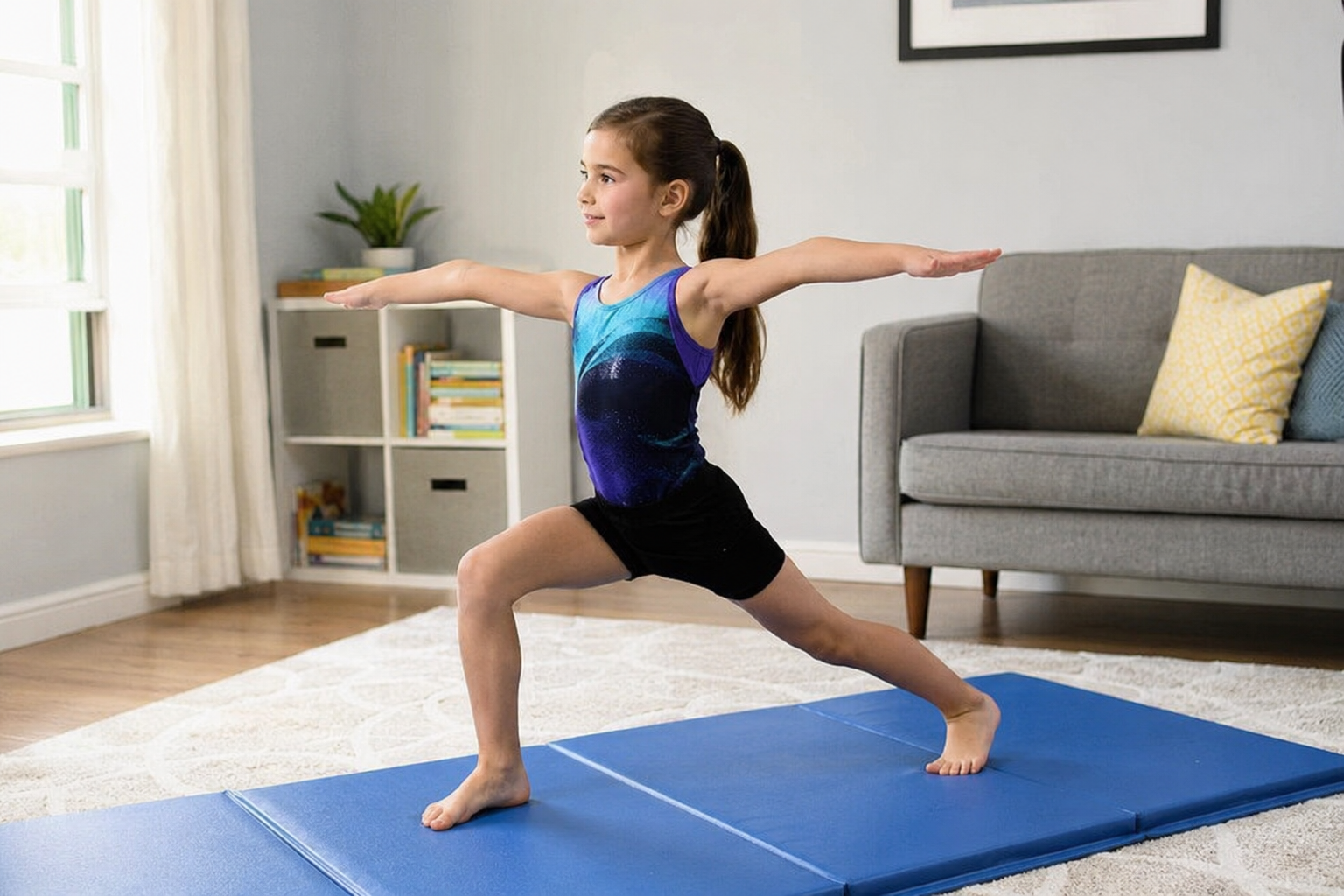
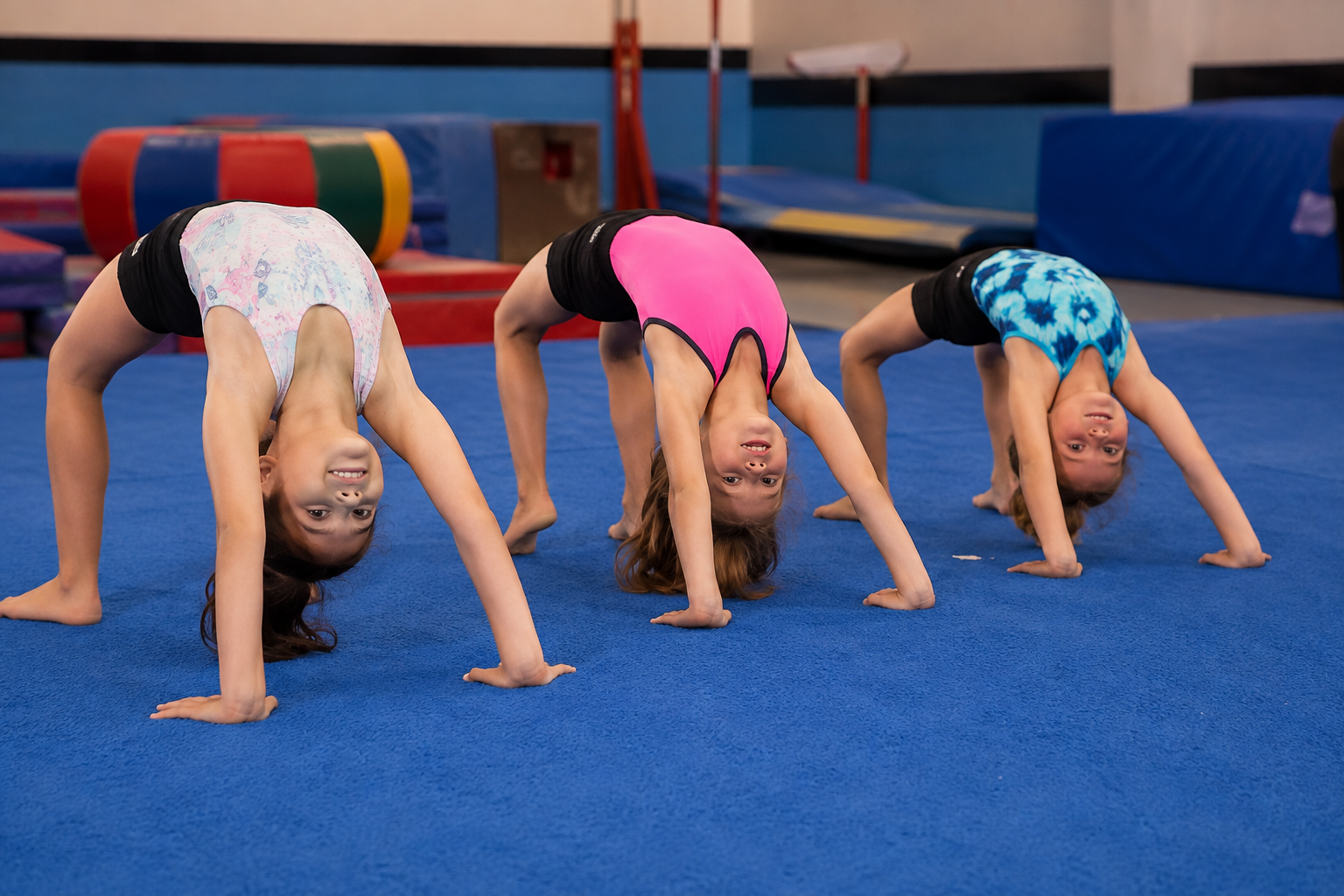
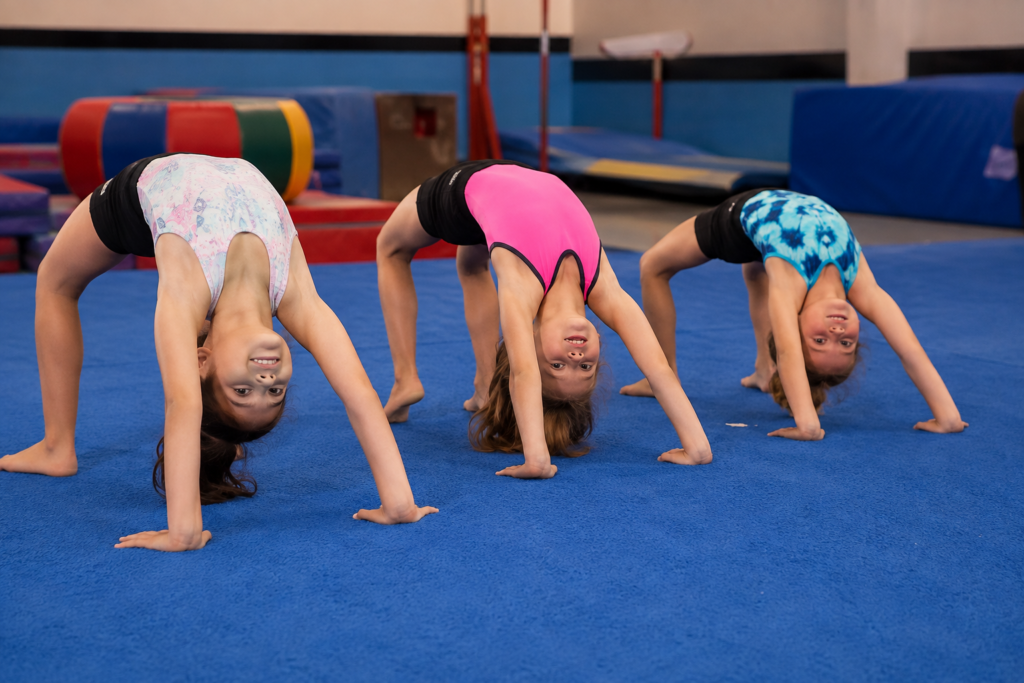
Flexibility is another important benefit of gymnastics for kids. Gymnastics involves movements that require the body to stretch and move through a wide range of motion. Regular stretching and flexibility exercises can help children develop better movement patterns.
Good flexibility can make gymnastics skills easier to perform. It can also support proper body movement during other sports and activities. Children who develop flexibility at a young age may become more comfortable with different physical movements as they grow.
Flexibility training should always be age appropriate and performed under proper guidance. Children should never be forced into painful positions.
Improves Balance and Coordination
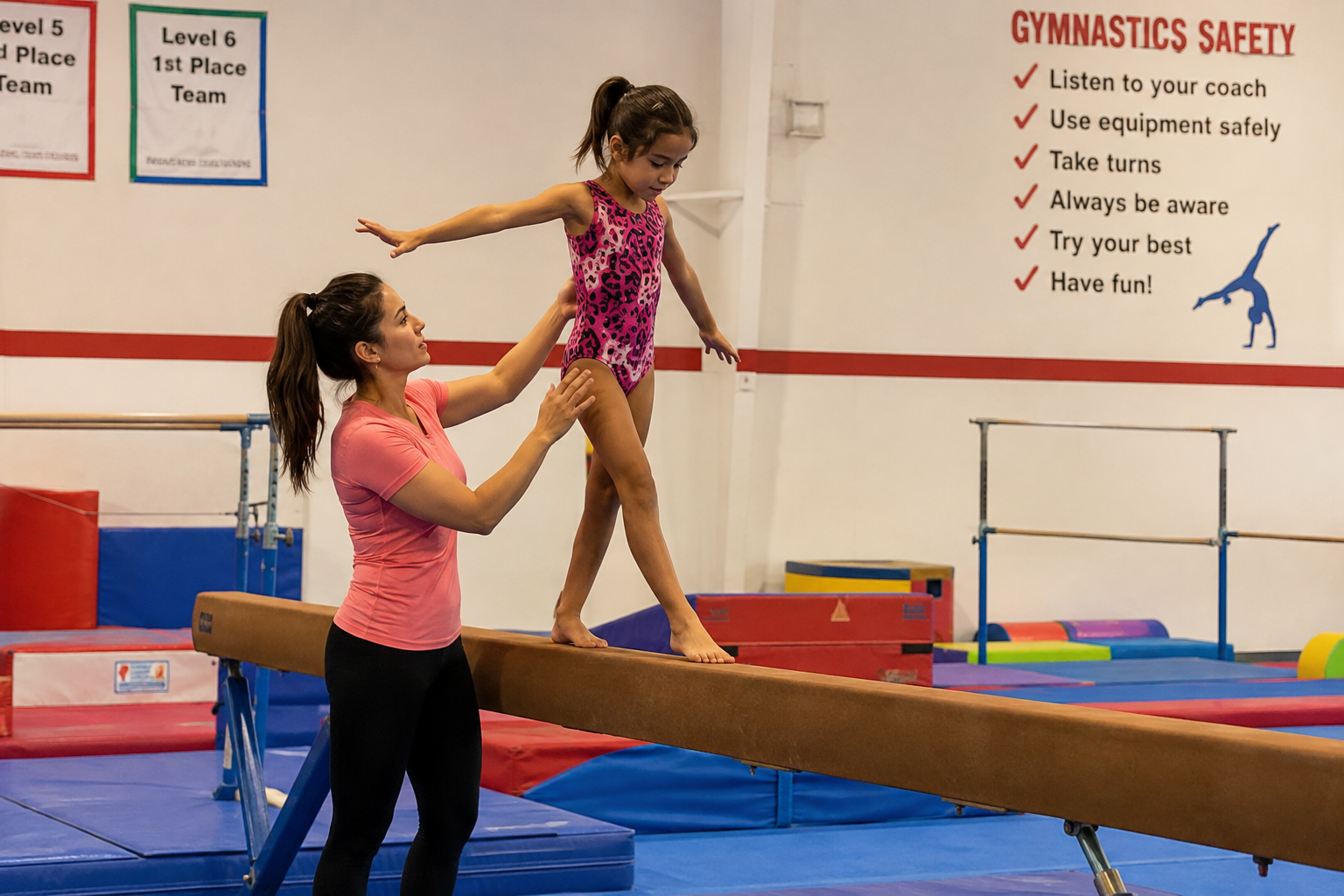
Balance and coordination are essential skills in gymnastics. Children need to control their bodies while walking on beams, jumping, landing, rolling, or performing different gymnastics movements.
Gymnastics gives children many opportunities to practice these skills. With regular training, they can learn how to control their arms, legs, and body position more effectively.
Better coordination can also help children in other sports. Activities such as football, swimming, cycling, dancing, and martial arts all require body control and coordination. The skills developed through gymnastics can therefore be useful in many areas of a child’s physical development.
Builds Confidence
Gymnastics can help children become more confident. Learning a new skill often takes time and practice. When a child finally performs a movement successfully, they experience a sense of achievement.
For example, a child may initially struggle with a forward roll or handstand. After practicing regularly, the child may eventually perform the skill independently. This experience teaches children that patience and effort can lead to success.
Confidence developed through gymnastics can also appear outside the gym. Children may become more comfortable trying new activities, speaking with others, and handling challenges at school or in daily life.
Teaches Discipline and Patience
Gymnastics is a sport that requires regular practice. Children cannot usually learn difficult skills in one session. They need to repeat movements, listen to instructions, correct mistakes, and continue practicing.
This teaches children the importance of patience and discipline. They learn that improvement takes time and that making mistakes is a normal part of learning.
These lessons can be useful in school and other areas of life. A child who learns to stay patient while developing a gymnastics skill may also become more willing to work through difficult homework or other challenges.
Supports Healthy Body Development
Regular physical activity is important for growing children. Gymnastics provides an enjoyable way for kids to stay active while developing different physical abilities.
Children who participate in regular exercise can build healthier movement habits. Gymnastics encourages them to use their bodies instead of spending all their free time sitting and using screens.
An active childhood can help children understand the importance of movement and exercise. When physical activity becomes enjoyable at a young age, children may be more likely to continue being active as they grow older.
Improves Posture and Body Awareness
Gymnastics teaches children to pay attention to body position. Coaches often teach children how to keep their bodies controlled while standing, jumping, balancing, rolling, or landing.
This can improve body awareness and encourage better movement habits. Children learn to understand where their arms and legs are positioned and how their body moves through space.
Good body awareness can be helpful in everyday activities as well as other sports. Children become more aware of how they move and may develop better control during physical activities.
Helps Develop Motor Skills
Motor skills are an important part of childhood development. Gymnastics gives children opportunities to practice both basic and advanced movement skills.
Running, jumping, rolling, climbing, balancing, swinging, and landing can all contribute to physical skill development. Younger children especially benefit from activities that allow them to explore different types of movement.
As their motor skills improve, children may become more comfortable participating in other physical activities. This can encourage an active and healthy lifestyle.
Encourages Social Skills
Gymnastics is not only an individual activity. Children often train alongside other kids in classes and group sessions. This gives them opportunities to communicate, cooperate, and make friends.
Children learn to wait for their turn, listen to coaches, encourage teammates, and respect others. These experiences can help develop important social skills.
Being part of a gymnastics class can also give children a sense of belonging. They can share their achievements with other children and celebrate progress together.
Develops Focus and Concentration
Gymnastics requires children to pay attention to instructions and movements. A child must often remember several steps when learning a new skill.
This can help improve focus and concentration. Children learn to listen carefully to coaches and concentrate on their body position while performing an exercise.
The ability to focus can be useful beyond gymnastics. Concentration is important for reading, writing, studying, completing schoolwork, and learning new skills.
Teaches Children How to Handle Challenges
Every child experiences challenges during gymnastics training. Some skills may feel difficult at first, and children may make mistakes while learning.
Gymnastics teaches children that mistakes do not mean failure. Instead, mistakes can show them what they need to improve. With encouragement and practice, children can learn to keep trying.
This can help develop a positive attitude toward challenges. Instead of giving up immediately, children can learn to approach difficult tasks with patience and determination.
Encourages Creativity
Gymnastics can also encourage creativity. Children often explore different ways to move their bodies and perform skills. In some forms of gymnastics, they may also create routines that combine several movements.
This allows children to express themselves through movement. They can learn how to connect skills while developing their own style and confidence.
Creative movement can make gymnastics more enjoyable and help children develop an appreciation for physical activity.
Helps Children Learn Goal Setting
Gymnastics provides many opportunities for children to set small goals. A child may want to improve a cartwheel, hold a handstand for longer, learn a new jump, or improve flexibility.
Working toward these goals teaches children how progress happens. They can learn to divide a difficult skill into smaller steps and celebrate improvements along the way.
Goal setting is a useful life skill that can help children in school, sports, hobbies, and future activities.
Provides a Fun Way to Exercise
Perhaps one of the most important benefits of gymnastics for kids is that it can make exercise enjoyable. Children are more likely to stay active when they are having fun.
Gymnastics classes can include jumping, swinging, rolling, balancing, climbing, and other exciting activities. This variety can prevent exercise from feeling boring or repetitive.
When children associate physical activity with enjoyment, they may develop a more positive attitude toward exercise.
Conclusion
The benefits of gymnastics for kids include much more than physical fitness. Gymnastics can help children build strength, flexibility, balance, coordination, confidence, focus, discipline, and body awareness. It can also encourage social development, creativity, patience, and goal setting.
For parents looking for a fun and active activity for their children, gymnastics can be a valuable choice. With proper coaching and age appropriate training, children can learn new skills while developing healthy habits and important life lessons.
Every child develops at a different pace, so the main goal should be enjoyment, safe practice, and gradual improvement. When children enjoy gymnastics, they can build a strong foundation for an active lifestyle and gain skills that can benefit them both inside and outside the gym.