Flexibility is one of the most important parts of gymnastics. It helps gymnasts perform movements with better control, improve their body position, and reduce the risk of certain injuries. Whether you are a complete beginner or already practicing gymnastics regularly, improving flexibility can make many skills easier to learn. Good flexibility allows your muscles and joints to move through a wider range of motion while maintaining proper technique.
Many people think flexibility is something you either have or do not have. In reality, flexibility can improve with regular and sensible training. The key is consistency, patience, proper stretching techniques, and enough recovery time. If you want to know how to improve flexibility for gymnastics, this guide will help you understand the most useful methods and habits.
Why Flexibility Is Important in Gymnastics
Gymnastics requires the body to move in many different directions. Skills such as splits, bridges, handstands, kicks, leaps, and various floor movements require good flexibility. When your body has enough range of motion, you can perform these skills more comfortably and maintain better form.
Flexibility also helps gymnasts develop better body awareness. When you regularly practice stretching and mobility exercises, you become more aware of how your muscles and joints move. This can make it easier to control your body during gymnastics training.
Another important benefit is improved movement quality. A gymnast with limited flexibility may struggle to reach the correct position during a skill. This can affect balance, technique, and overall performance. Improving flexibility can therefore support better gymnastics technique.
Start With a Proper Warm Up
One of the best ways to improve flexibility for gymnastics is to warm up before stretching. Stretching cold muscles can feel uncomfortable and may increase the chance of injury. A proper warm up increases body temperature and prepares your muscles for movement.
You can begin with five to ten minutes of light activity. Walking, jogging, jumping jacks, light skipping, or easy gymnastics movements can work well. After that, perform dynamic movements such as arm circles, leg swings, hip rotations, and controlled kicks.
A warm up should make your body feel ready without making you tired. Once your muscles are warm, you can move into more focused flexibility exercises.
Practice Hamstring Flexibility
Flexible hamstrings are important for many gymnastics movements. They help with forward folds, kicks, jumps, and split positions. Tight hamstrings can make it difficult to keep your legs straight during certain skills.
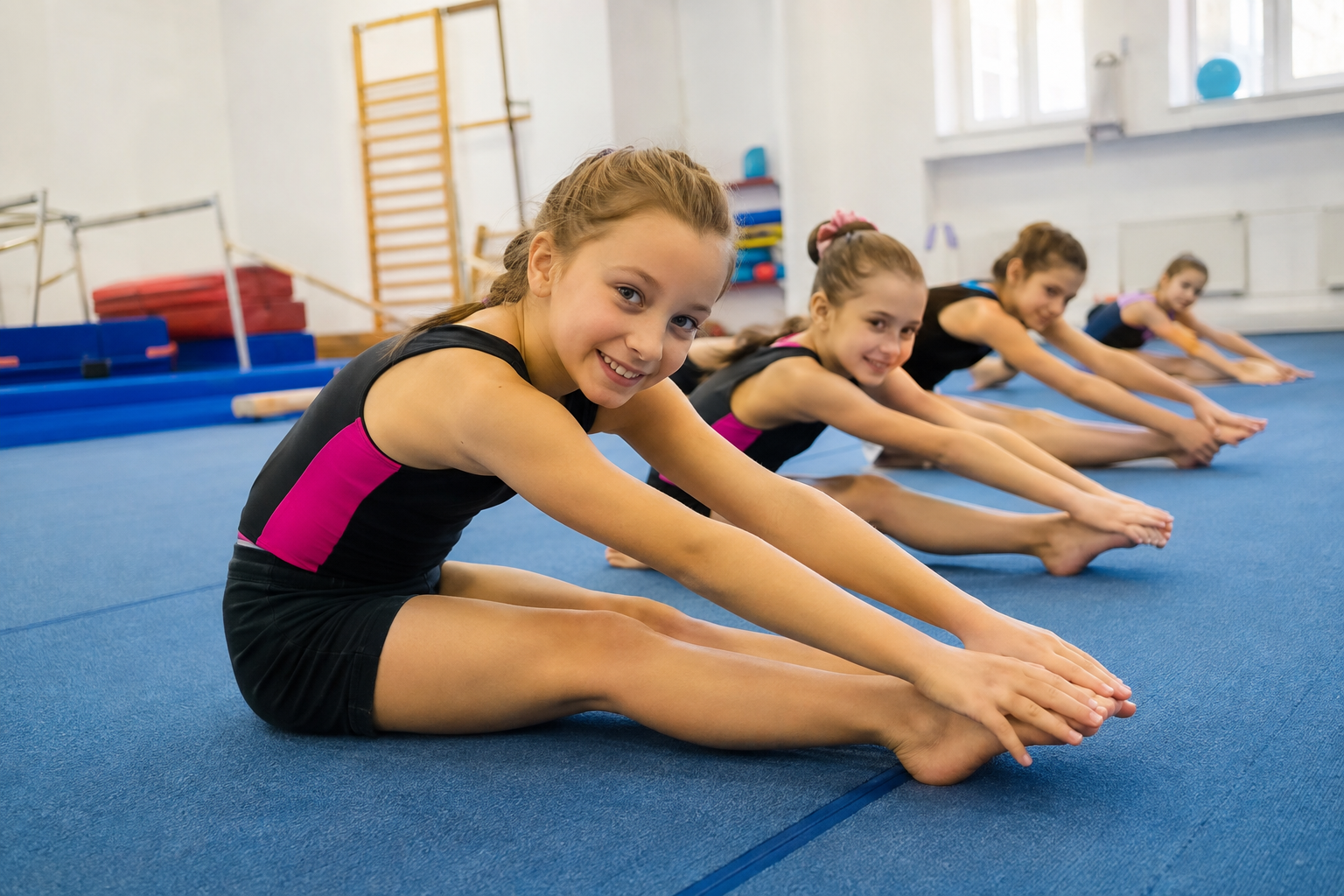
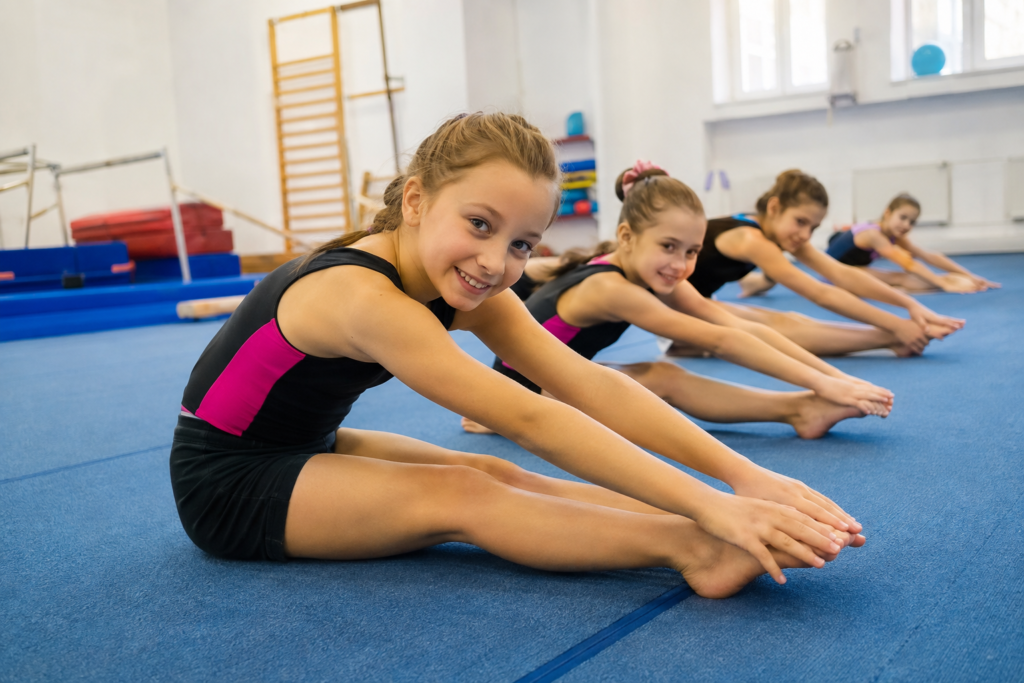
One simple exercise is the seated forward stretch. Sit on the floor with your legs extended in front of you. Keep your back as comfortable and straight as possible and slowly reach toward your feet. Do not force your body to reach farther than it can naturally go.
Another useful exercise is a standing hamstring stretch. Place one leg slightly forward and keep it straight while bending the other leg. Lean forward gently from your hips. Hold the position while breathing normally.
Consistency is more important than forcing a deep stretch. Over time, regular practice can gradually improve your range of motion.
Work on Hip Flexibility
Hip flexibility is extremely important for gymnastics. Flexible hips can help with splits, high kicks, leaps, and many floor movements. If your hips are tight, some gymnastics positions may feel difficult even if your legs are otherwise flexible.
Lunges are a useful starting exercise. Step one foot forward and lower your body carefully while keeping control. This can help stretch the muscles around the hips. You can also practice a gentle hip flexor stretch by lowering one knee toward the floor while keeping the other foot in front.
Another useful movement is the butterfly stretch. Sit on the floor, bring the soles of your feet together, and allow your knees to move toward the floor naturally. Keep your chest lifted and avoid pushing your knees down aggressively.
Improve Split Flexibility Gradually
Splits are a common goal for gymnasts, but they should not be rushed. Trying to force yourself into a split before your body is ready can cause pain and injury.
Begin with gentle lunges and hamstring stretches. When your muscles feel warm, gradually move toward your split position. Use your hands or suitable support to maintain control. Stop if you feel sharp pain.
You do not need to achieve a full split immediately. Small improvements matter. If you can move slightly farther than you could a few weeks ago while maintaining good control, that is progress.
Regular flexibility training is much safer and more effective than trying to achieve a dramatic result in one session.
Develop Shoulder Flexibility
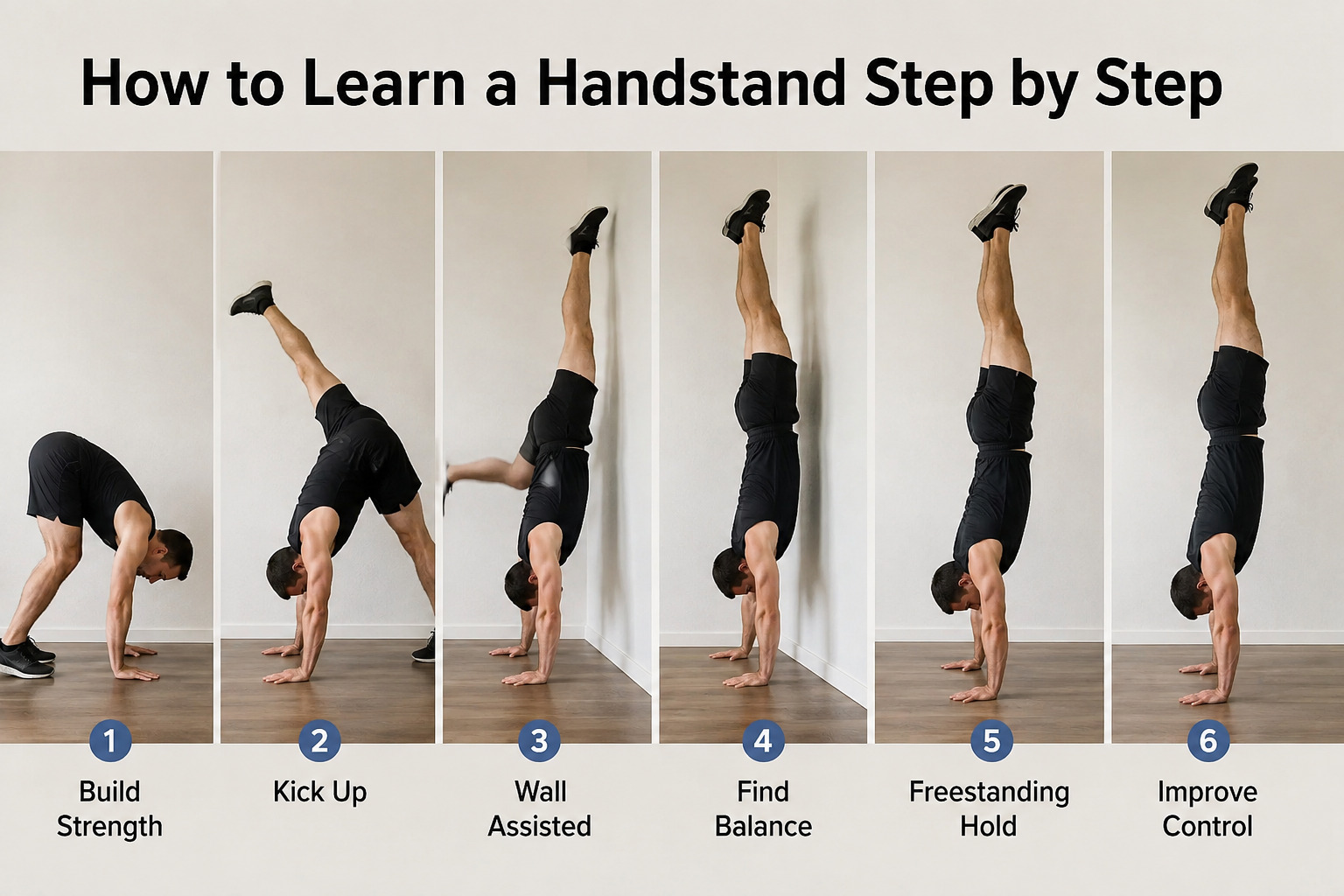
Gymnastics requires strong and mobile shoulders. Shoulder flexibility is useful for handstands, bridges, back movements, and many other skills.
Simple shoulder circles can help prepare the joints for movement. You can also perform controlled arm swings and gentle shoulder stretches.
A wall stretch can be useful as well. Stand near a wall, place your hands against it, and gradually move your body into a position that creates a comfortable stretch through the shoulders and upper body.
Always keep the movement controlled. Shoulder flexibility should be developed alongside strength because gymnasts need to control their body at the end of their range of motion.
Include Back Flexibility Exercises
Back flexibility is another important part of gymnastics. Bridges and other gymnastics movements require the spine and surrounding muscles to move safely.
Before attempting deeper back flexibility exercises, make sure your body is properly warmed up. A basic bridge can be practiced with appropriate coaching and support. You can also perform gentle movements such as cat cow exercises to improve spinal mobility.
Do not force your lower back into an extreme position. Good gymnastics flexibility should come from coordinated movement throughout the body rather than excessive pressure on one area.
If you are new to bridges or advanced back flexibility, working with a qualified gymnastics coach is a good idea.
Use Dynamic Stretching Before Training
Dynamic stretching involves moving through a range of motion rather than holding one position for a long time. It is especially useful before gymnastics training.
Examples include leg swings, controlled kicks, arm circles, walking lunges, and gentle body rotations. These exercises prepare the muscles for the movements you will perform during training.
Dynamic stretching can also help you feel more comfortable and mobile before practicing gymnastics skills. Keep the movements controlled and gradually increase the range rather than swinging aggressively.
Use Static Stretching After Training
Static stretching can be useful after your main gymnastics session when your muscles are already warm. This involves holding a comfortable stretching position for a period of time.
For example, you can stretch your hamstrings, hip flexors, shoulders, and other muscle groups after training. Breathe slowly and avoid bouncing during the stretch.
The goal is to create a gentle stretching sensation rather than pain. If a stretch becomes painful, reduce the intensity or stop.
Train Flexibility Consistently
One of the biggest mistakes beginners make is stretching only once in a while. Flexibility improves through regular practice. You do not necessarily need a very long session every day. Even a short and consistent routine can be useful.
Try to include flexibility exercises in your gymnastics training schedule several times each week. Focus on different areas of the body and give yourself enough recovery time.
Keeping track of your progress can also help. You can record how far you can comfortably stretch or how your gymnastics movements feel over time. This can show improvements that may not be obvious from one training session to another.
Do Not Ignore Strength
Flexibility and strength should work together. A gymnast needs enough strength to control flexible positions. For example, having flexible shoulders is useful for a handstand, but you also need shoulder and upper body strength to maintain the position.
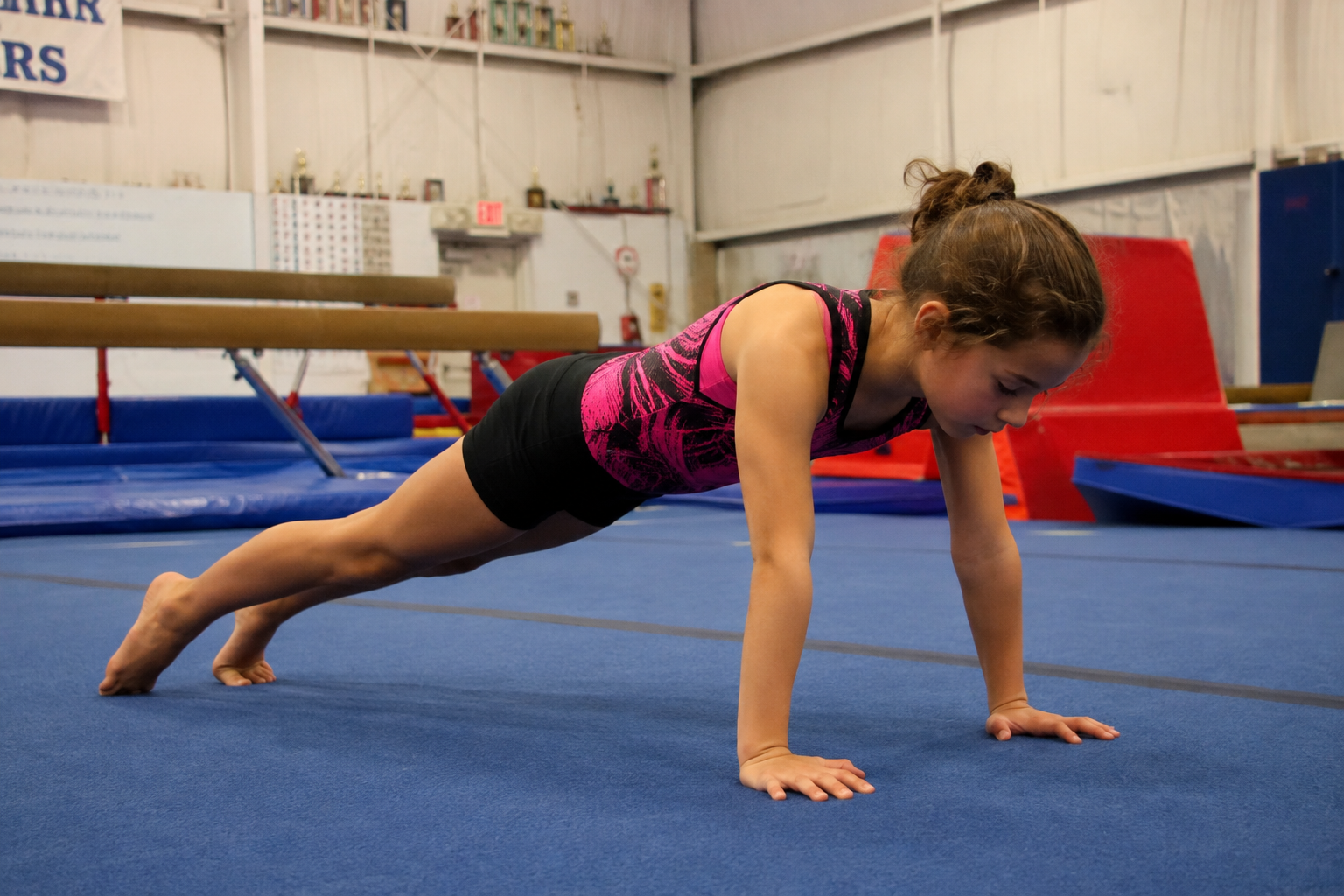
Strength exercises for the legs, core, shoulders, and back can support gymnastics flexibility. Controlled movements such as squats, lunges, planks, and gymnastics specific strength exercises can help build the stability needed for flexible positions.
The goal is not simply to become flexible. The goal is to become flexible while maintaining control.
Give Your Body Time to Recover
Recovery is an important part of flexibility training. Your muscles need time to adapt to training. Stretching too aggressively or training hard every day without enough rest can make your body feel tired and uncomfortable.
Sleep, hydration, balanced nutrition, and rest can all support your training. If your muscles are very sore, give your body time to recover before performing intense flexibility work.
Remember that flexibility progress is usually gradual. Some days you may feel more flexible than others because of your activity level, sleep, stress, or general physical condition.
Common Flexibility Mistakes to Avoid
There are several mistakes that can slow down flexibility progress. One common mistake is forcing a stretch. Flexibility should improve gradually rather than through pain.
Another mistake is skipping the warm up. Always prepare your body before deeper stretching. Bouncing aggressively during static stretches is another habit to avoid because it can place unnecessary stress on muscles and joints.
Some beginners also focus only on splits and ignore other areas. Gymnastics requires flexibility in the hips, hamstrings, shoulders, back, ankles, and other parts of the body. A balanced routine is more useful than focusing on one goal.
Finally, avoid comparing your progress with another gymnast. Everyone has different levels of mobility and different training backgrounds.
Conclusion
Learning how to improve flexibility for gymnastics takes patience, consistency, and proper technique. Regular warm ups, dynamic stretching, static stretching, hip exercises, hamstring stretches, shoulder mobility work, and controlled back exercises can all help improve your range of motion.
The most important thing is to train safely and consistently. Do not force your body into positions it is not ready for. Combine flexibility training with strength and proper recovery to build useful gymnastics mobility.
With regular practice, many beginners can gradually become more flexible and comfortable with gymnastics movements. Focus on steady progress rather than quick results, listen to your body, and consider working with a qualified gymnastics coach when learning advanced flexibility skills.