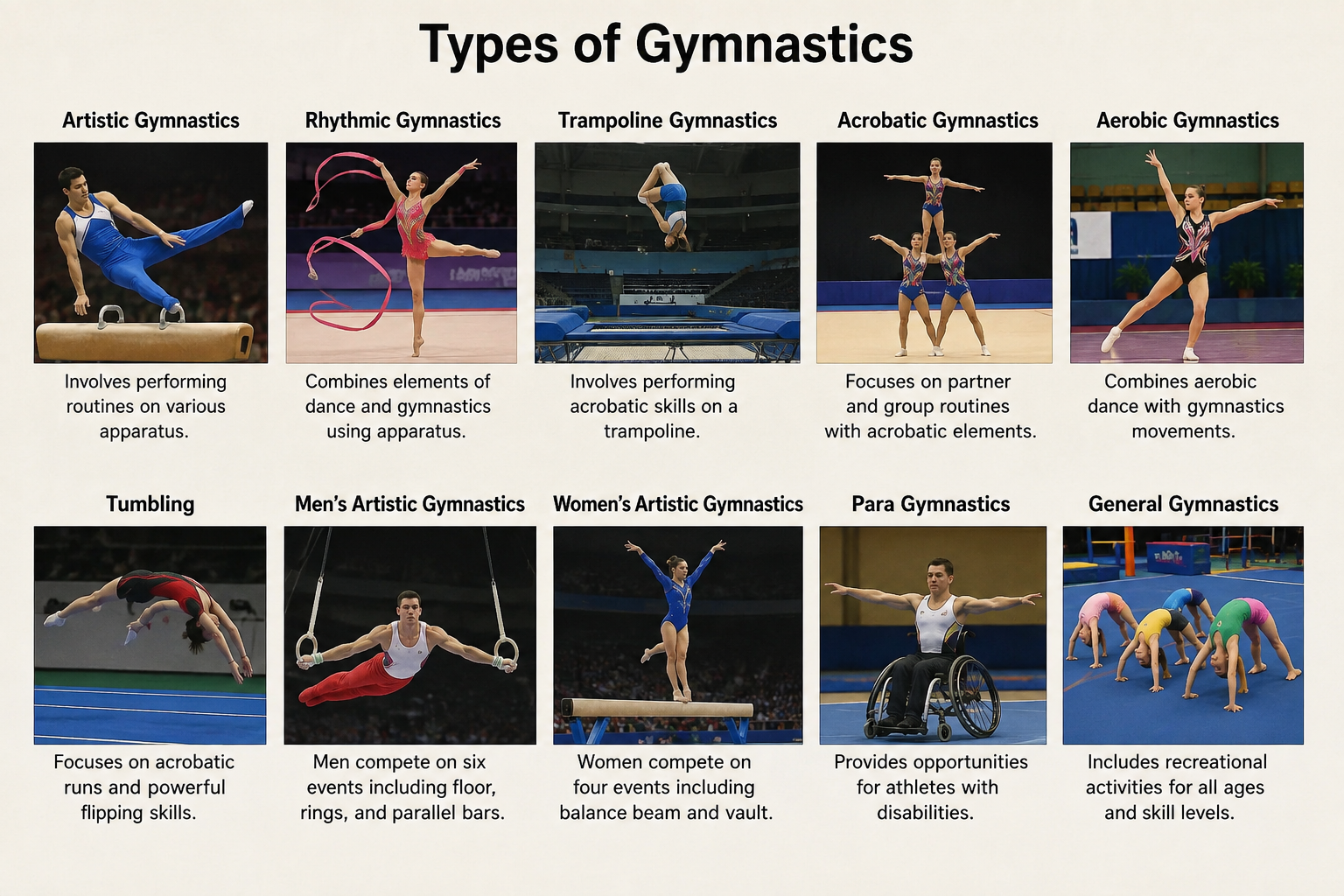
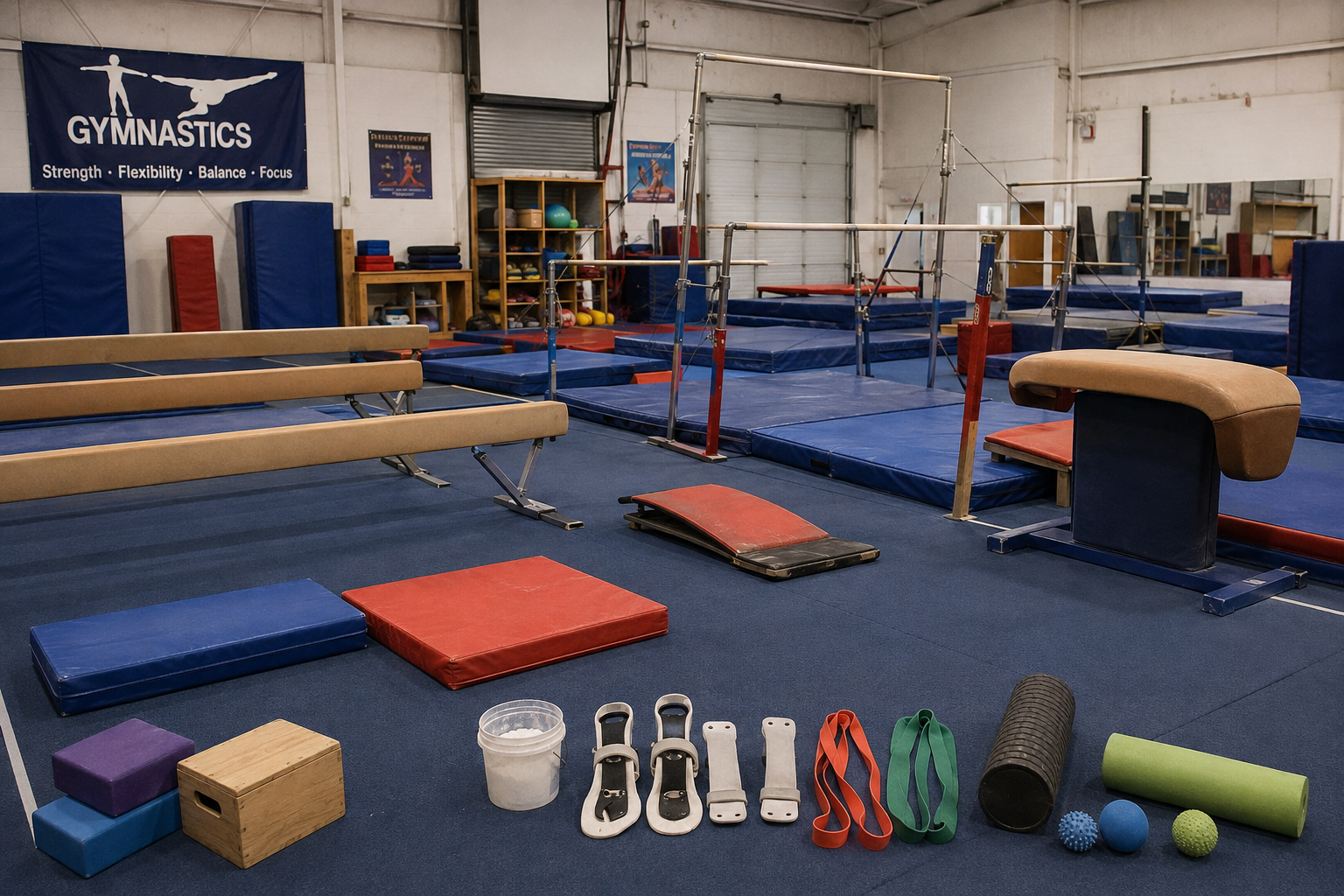
Gymnastics is an exciting sport that combines strength, flexibility, balance, coordination, and body control. For beginners, learning the basic skills is important, but understanding the equipment used in gymnastics is also a major part of getting started. The right gymnastics equipment can help athletes practice safely, improve their technique, and build confidence over time.
Whether you are joining a gymnastics class, practicing at home with proper supervision, or simply learning about the sport, knowing the purpose of different gymnastics equipment can make the experience easier. Beginners do not need to buy everything at once. Most gymnastics clubs already provide the main equipment. However, understanding what each piece does can help you know what to expect during training.
Gymnastics Mats
A gymnastics mat is one of the most important pieces of equipment for beginners. Mats provide a soft and supportive surface for practicing movements such as rolls, handstands, cartwheels, and basic stretching exercises.
There are different types of gymnastics mats available. Some are designed for general training, while others are made for specific skills. Folding mats are popular because they are easy to store and move. Landing mats are thicker and provide additional cushioning when an athlete lands after a jump or skill.
For beginners, a good gymnastics mat can provide extra comfort and help reduce the impact on the body during practice. However, mats should always be used on a stable surface and under appropriate supervision.
Balance Beam
The balance beam is one of the most recognizable pieces of gymnastics equipment. It is a narrow, raised surface that gymnasts use to practice balance, turns, jumps, poses, and other movements.
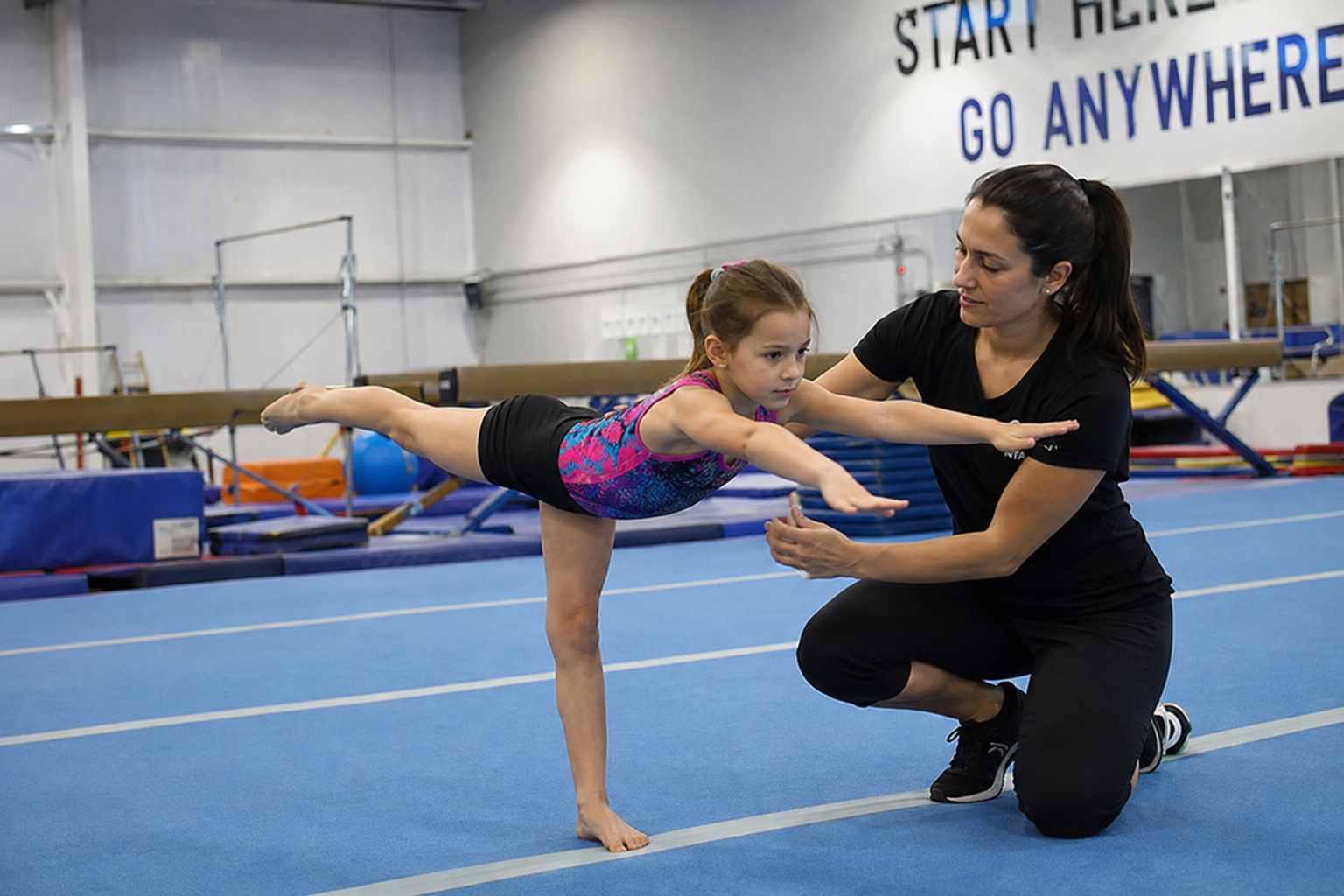
Competition balance beams are positioned at a significant height, but beginner gymnasts often start with a low beam or training beam. A low balance beam allows beginners to develop balance and coordination without immediately working at a greater height.
Beginners can start with simple skills such as walking forward, walking backward, standing on one foot, and making controlled turns. As confidence improves, they can gradually learn more advanced movements.
Uneven Bars
Uneven bars are commonly associated with women’s artistic gymnastics. They consist of two horizontal bars positioned at different heights. Gymnasts use them for swinging, turning, transitions, and strength based movements.
For beginners, uneven bars are mainly used to develop grip strength, upper body strength, coordination, and body control. Basic exercises can include hanging from the bar, controlled swings, and simple support positions.
Beginners should always practice on uneven bars with a qualified coach because incorrect technique can increase the risk of falls or injuries. Proper mats should also be placed underneath the equipment.
Horizontal Bar
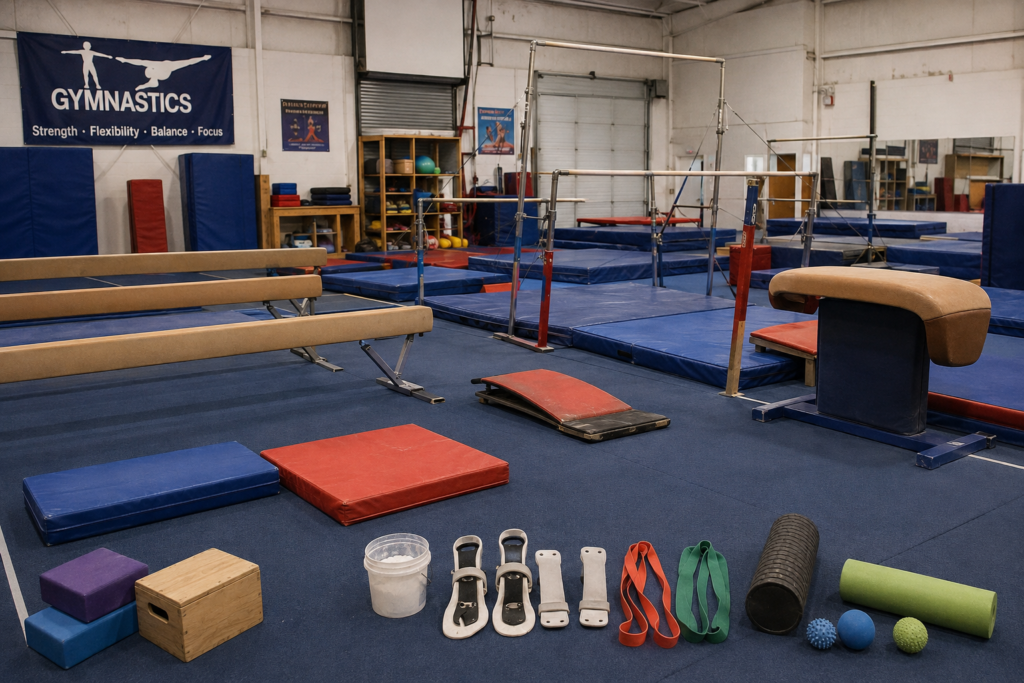
The horizontal bar is another important piece of gymnastics equipment. Unlike uneven bars, it uses a single horizontal bar. It is commonly used for swinging, strength exercises, and more advanced gymnastics skills.
Beginners can use the horizontal bar for basic hanging exercises. Hanging helps develop grip strength and upper body control, which are useful for many gymnastics skills.
Learning to hold the bar correctly is an important first step. Beginners should avoid attempting advanced swings or releases without proper coaching and safety equipment.
Vaulting Table
The vaulting table is used during vault exercises. A gymnast runs toward the table, jumps onto it using their hands, and pushes away before landing on a mat.
Vaulting requires speed, coordination, strength, and confidence. Beginners normally start with simple jumping and running drills before attempting full vaults.
The vaulting table is designed to provide a stable surface for pushing off during the skill. Thick landing mats are used around the equipment to provide protection during training.
Because vaulting involves speed and jumping, beginners should only practice it under professional supervision.
Pommel Horse
The pommel horse is mainly used in men’s artistic gymnastics. It has a padded body with two handles called pommels. Gymnasts perform continuous movements around the apparatus while supporting their body with their hands.
Although the pommel horse may look difficult for beginners, basic training can help athletes develop arm strength, balance, coordination, and body control.
Beginners may start with simple support positions and movement drills. Learning how to transfer body weight between the hands is an important part of progressing toward more advanced pommel horse skills.
Rings
Gymnastics rings are two circular rings suspended from straps. They are commonly used in men’s artistic gymnastics and are excellent for developing upper body strength and stability.
Beginners can use rings for basic hanging exercises and controlled support positions. Because the rings move freely, they require more stabilization than a fixed bar.
Training with rings can strengthen the shoulders, arms, chest, back, and core. Beginners should focus on controlled movements instead of trying difficult skills too quickly.
Trampoline
A trampoline can be useful for gymnastics training because it helps athletes learn body control while jumping. It can also help beginners become more comfortable with basic aerial movements.
Simple exercises include straight jumps, controlled landings, and basic body positions in the air. More advanced trampoline training can involve twists and flips.
Trampoline practice should always take place in a suitable facility with safety equipment and professional supervision. Beginners should never attempt complicated flips without proper instruction.
Springboard
A springboard is a small piece of equipment used to help gymnasts jump higher during vaulting and other training exercises. It contains springs that provide a controlled amount of bounce.
Learning to use a springboard correctly requires proper timing. Beginners can practice basic jumps and landing positions before progressing to vault exercises.
A coach can teach beginners how to approach the springboard, jump safely, and maintain body control during takeoff and landing.
Training Blocks
Training blocks are useful for beginners because they can make certain skills easier to learn. They can be used for practicing handstands, jumps, stretching exercises, and other movements.
Blocks come in different shapes and sizes. Some are made from firm foam, while others are designed for more specialized training.
Foam blocks are particularly useful because they provide support while allowing beginners to practice movements with less fear. Coaches can use blocks to adjust the difficulty of an exercise according to an athlete’s skill level.
Hand Grips
Hand grips are protective equipment worn by gymnasts during certain bar exercises. They can help protect the hands from friction and reduce the chance of developing painful areas on the palms.
Beginners may not need gymnastics grips immediately. Coaches usually recommend them when athletes begin performing more demanding bar exercises.
Proper sizing is important because grips that are too loose or too tight can interfere with movement. Beginners should ask their coach for guidance before purchasing gymnastics grips.
Chalk
Gymnastics chalk is commonly used to improve grip. It helps absorb moisture from the hands, which can make it easier to hold equipment such as bars and rings.
A small amount of chalk can help gymnasts maintain a more secure grip during training. However, too much chalk can create unnecessary dust and may not be suitable for every training facility.
Beginners should follow the rules of their gymnastics club regarding the use of chalk.
Resistance Bands
Resistance bands are useful training tools for developing strength and flexibility. They can be used for warmups, stretching, shoulder exercises, and strength training.
For beginners, resistance bands can provide controlled resistance without requiring heavy weights. They are also lightweight and easy to store.
A coach can show beginners how to use resistance bands correctly and choose an appropriate resistance level.
Foam Roller
A foam roller is not a traditional gymnastics apparatus, but it can be useful as part of training and recovery. Gymnasts can use foam rollers for gentle muscle work after training.
Beginners should learn proper foam rolling techniques and avoid putting excessive pressure on painful areas. Stretching and recovery should complement regular gymnastics practice rather than replace proper warmups and coaching.
Proper Clothing and Footwear
Equipment is not limited to gymnastics apparatus. What a beginner wears also matters. Gymnasts usually wear comfortable clothing that allows free movement.
Leotards are commonly used in gymnastics classes, especially for athletes participating in artistic gymnastics. Some beginner classes may allow fitted athletic clothing such as leggings and sports shirts.
Gymnastics is generally practiced without regular shoes because athletes need direct contact with the floor and apparatus. However, requirements can vary between clubs, so beginners should check with their coach.
Safety Equipment
Safety should always be a priority when learning gymnastics. Landing mats, crash mats, padded equipment, and proper training surfaces help reduce the impact of falls and landings.
Beginners should never assume that a soft mat makes a difficult skill safe. Proper technique, coaching, equipment setup, and progression are all important.
A qualified gymnastics coach can determine when an athlete is ready to move from a basic exercise to a more challenging skill.
How Beginners Should Choose Gymnastics Equipment
Beginners do not need to purchase expensive equipment immediately. The best approach is to begin with basic items that support safe practice.
A quality gymnastics mat can be useful for home practice when appropriate. Resistance bands can help with strength and flexibility, while simple training blocks can support beginner exercises.
Before buying equipment, consider the available space, quality, safety features, and intended use. Cheap equipment may not always provide the stability or durability required for gymnastics.
It is also important to remember that advanced gymnastics equipment should be used in professional training environments. Equipment such as vaulting tables, high bars, and competition beams requires proper installation and supervision.
Final Thoughts
Understanding gymnastics equipment is an important part of becoming a confident beginner. Mats, balance beams, uneven bars, horizontal bars, rings, vaulting tables, springboards, training blocks, and other tools all have specific purposes.
The most important thing is not having the largest collection of equipment. It is learning how to use the right equipment safely and correctly. Beginners should focus on basic skills, proper technique, strength, flexibility, and body control before attempting advanced movements.
With consistent practice, qualified coaching, and appropriate gymnastics equipment, beginners can develop a strong foundation and enjoy steady progress. Gymnastics is a sport that rewards patience, discipline, and practice, so taking the time to understand the equipment can make every training session more productive and enjoyable.