Gymnastics competition is one of the most exciting parts of the sport. It brings together strength, flexibility, balance, coordination, discipline, and performance under pressure. Whether the competition takes place at a local gym, school, national championship, or international event, every gymnast is expected to perform skills according to specific rules while judges carefully evaluate each routine.
For beginners, gymnastics competitions may appear complicated because different events, scoring systems, difficulty levels, and penalties are involved. However, once the basic structure is understood, watching or participating in a gymnastics competition becomes much easier and more enjoyable.
This guide explains how gymnastics competitions work, what athletes are expected to do, how judging works, what equipment is used, and how gymnasts prepare for competitive events.
What Is a Gymnastics Competition?
A gymnastics competition is an organized event in which gymnasts perform routines on specific apparatus or events. Judges evaluate each routine based on factors such as difficulty, execution, technique, control, artistry, and landing quality.
Competitions can be organized for different types of gymnastics, including artistic gymnastics, rhythmic gymnastics, trampoline gymnastics, acrobatic gymnastics, and other disciplines.
Artistic gymnastics is one of the most widely recognized forms of competitive gymnastics. Men and women compete on different apparatus, although floor exercise and vault are included in both men’s and women’s artistic gymnastics.
The purpose of competition is not simply to perform difficult skills. Gymnasts must combine difficulty with accuracy, control, confidence, and consistency.
Types of Gymnastics Competitions
Gymnastics competitions are held at many different levels. Young athletes may begin with small recreational events before progressing to more advanced competitions.
Local Competitions
Local competitions are usually organized by gymnastics clubs, schools, or regional organizations. They are often designed for beginner and developing gymnasts.
These competitions allow athletes to become familiar with judges, equipment, warm ups, competition schedules, and performing in front of spectators.
Regional Competitions
Regional competitions bring together athletes from several clubs or areas. The level of difficulty may be higher, and stronger performances may be required to qualify for larger events.
National Competitions
National championships include some of the strongest gymnasts within a country. Athletes usually qualify through earlier competitions.
National competitions may also help determine which gymnasts become members of national teams.
International Competitions
International gymnastics competitions feature athletes representing different countries.
Major international events may include world championships, continental championships, international cups, and the Olympic Games.
At this level, gymnasts perform highly advanced skills and are judged according to international competition rules.
Women’s Artistic Gymnastics Events
Women usually compete in four artistic gymnastics events.
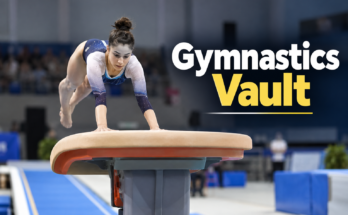
Vault
Vault is a fast and powerful event. The gymnast runs toward the vaulting table, jumps from a springboard, pushes from the table, and performs skills in the air before landing.
Judges evaluate height, distance, technique, body position, difficulty, and landing control.
A strong vault requires speed, power, timing, and confidence.
Uneven Bars
Uneven bars consist of two horizontal bars placed at different heights.
Gymnasts swing between the bars and perform releases, turns, handstands, transitions, and a final dismount.
Good routines demonstrate smooth movement, strong body control, correct technique, and precise timing.
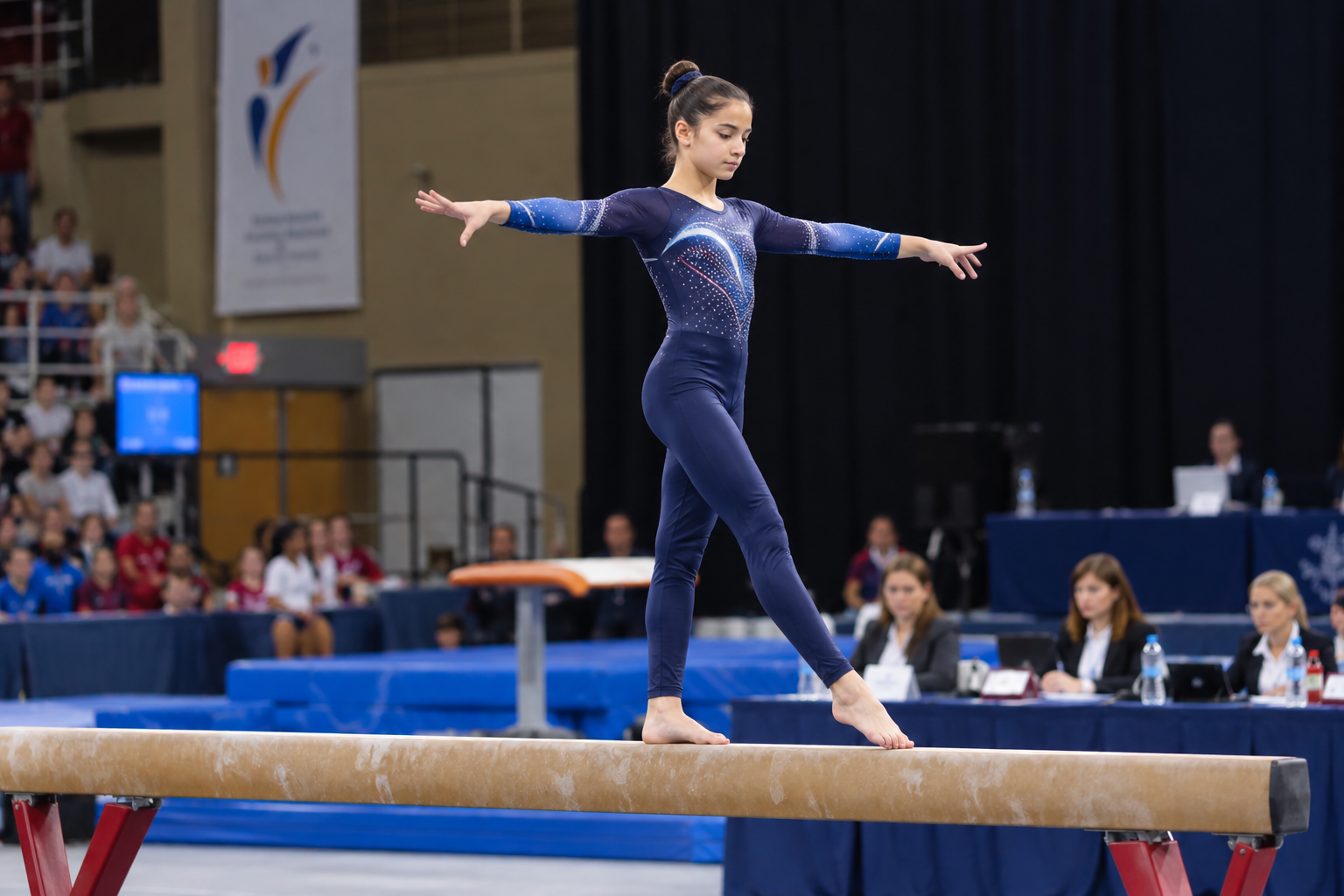
Balance Beam
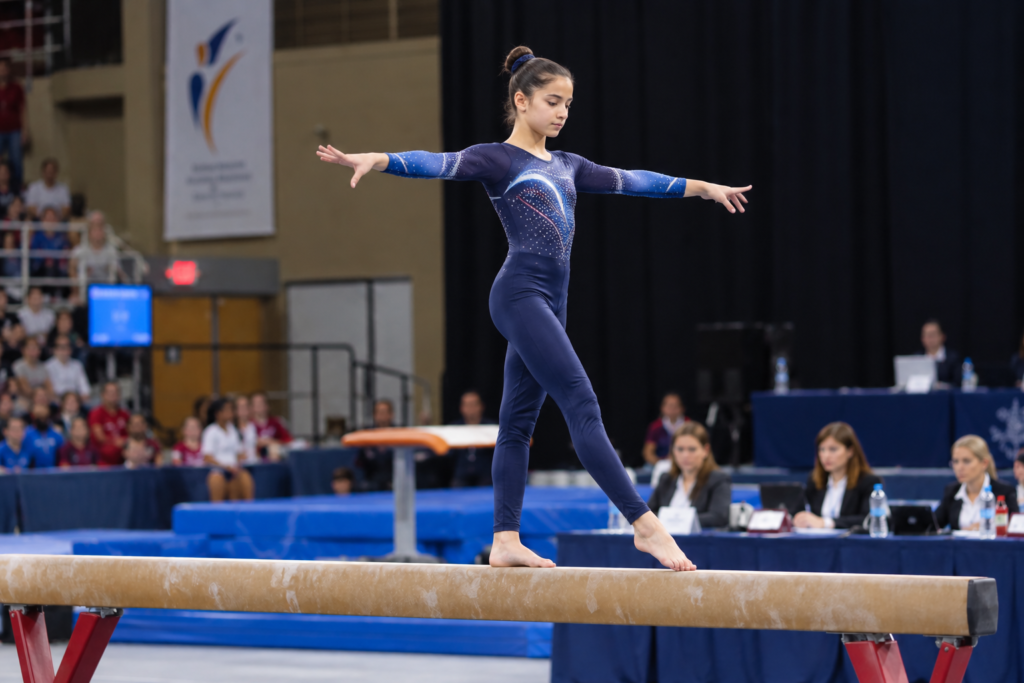
The balance beam is narrow, making it one of the most technically demanding gymnastics events.
Gymnasts perform jumps, turns, dance movements, acrobatic skills, and combinations while maintaining balance.
Small mistakes can lead to deductions, while a fall from the beam can significantly affect the score.
Floor Exercise
Floor exercise combines tumbling, dance, flexibility, strength, and artistic presentation.
Women’s floor routines are normally performed with music.
Judges consider tumbling difficulty, dance elements, body control, movement quality, choreography, and overall execution.
Men’s Artistic Gymnastics Events
Men usually compete in six artistic gymnastics events.
Floor Exercise
Men’s floor exercise includes powerful tumbling, strength movements, balance elements, and controlled transitions.
Unlike women’s floor exercise, men’s routines are usually performed without music.
Pommel Horse
The pommel horse requires exceptional shoulder strength, rhythm, and coordination.
Gymnasts perform continuous circular movements, scissors, travels, and other skills while supporting their body with their hands.
Stopping the movement or losing balance can result in deductions.
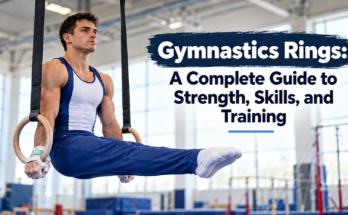
Still Rings
Still rings require tremendous upper body strength.
Gymnasts perform swings, strength holds, handstands, and a dismount while trying to keep the rings as stable as possible.
Many strength positions must be held clearly for judges to recognize them properly.
Vault
Men also compete on vault.
The gymnast runs toward the apparatus, uses the springboard and vaulting table, and performs a powerful airborne skill before landing.
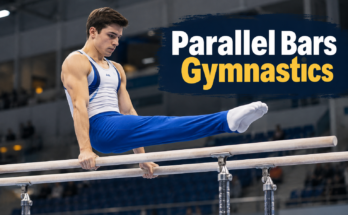
Parallel Bars
Parallel bars require athletes to perform swings, handstands, strength movements, releases, and transitions between two parallel rails.
Control and rhythm are important throughout the routine.
Horizontal Bar
The horizontal bar, also called the high bar, is known for large swings and exciting release skills.
Gymnasts may release the bar during a skill and catch it again before finishing with a high difficulty dismount.
How Gymnastics Competition Scoring Works
Gymnastics scoring is designed to evaluate both the difficulty of a routine and how well the gymnast performs it.
At high levels of artistic gymnastics, the final score is generally based on two major components: difficulty and execution.
Difficulty Score
The difficulty score reflects the technical challenge of the routine.
More difficult skills and combinations usually increase the difficulty value.
However, performing harder skills is only useful when the gymnast can execute them safely and consistently.
Execution Score
The execution score evaluates how cleanly the routine is performed.
Judges may deduct marks for mistakes such as bent legs, flexed feet, poor body position, lack of control, extra steps, falls, or unstable landings.
A gymnast with slightly easier skills but excellent execution can sometimes score better than someone performing difficult skills with many errors.
Common Gymnastics Deductions
Judges can reduce scores for many types of mistakes.
Common deductions include:
- Bent knees or arms when the skill requires straight body positions
- Legs separating during jumps or tumbling
- Incorrect body alignment
- Poor landings
- Extra steps after landing
- Loss of balance
- Falling from the apparatus
- Missing required elements
- Going outside the floor boundary
- Taking too long before starting or completing a routine
The size of the deduction depends on the seriousness of the mistake.
Individual and Team Competitions
Gymnastics competitions may include both individual and team results.
In individual competition, each gymnast earns scores based on their own performances.
In team competition, selected scores from several team members are combined.
Team competitions create a different kind of pressure because each athlete’s performance can contribute to the final team result.
Athletes must support one another while also focusing on their individual routines.
What Happens Before a Competition?
Preparation usually begins long before competition day.
Gymnasts train routines repeatedly so their movements become consistent and controlled.
Coaches may adjust routines depending on the athlete’s skill level, strengths, injuries, confidence, and competition goals.
Before the event begins, gymnasts normally warm up.
A warm up may include light movement, stretching, mobility exercises, basic skills, and short practice opportunities on the competition apparatus.
The goal is to prepare the body without creating unnecessary fatigue.
Competition Clothing and Equipment
Gymnastics competitions usually require athletes to follow clothing rules.
Female artistic gymnasts commonly wear competition leotards designed for freedom of movement.
Male gymnasts may wear competition tops with shorts or long gymnastics trousers depending on the event.
Clothing should fit properly and allow judges to clearly observe body position and technique.
Some gymnasts also use approved equipment such as hand grips, wrist supports, or chalk depending on the apparatus and competition rules.
Chalk is commonly used because it can improve grip and reduce moisture on the hands.
Mental Preparation for Gymnastics Competition
Physical preparation is important, but mental preparation also plays a major role.
Competitions can make athletes nervous because they perform in front of judges, coaches, spectators, and other competitors.
Many gymnasts manage competition pressure by focusing on their routine instead of thinking about scores.
Breathing exercises, visualization, positive routines, and consistent warm ups can also help athletes remain calm.
Confidence usually develops through preparation.
A gymnast who has practiced a routine many times is more likely to trust their training during competition.
The Importance of Good Landings
Landings are especially important in competitive gymnastics.
A routine may include excellent skills, but an uncontrolled landing can reduce the final score.
Gymnasts try to land with good body alignment and minimum movement.
A landing without steps is often called a stuck landing.
Stuck landings are impressive because they demonstrate control and can reduce execution deductions.
Gymnasts spend significant training time practicing landing technique because safe landings are also important for injury prevention.
The Role of Coaches During Competitions
Coaches provide guidance and support throughout the competition.
Before the event, coaches help gymnasts select routines, improve technique, and prepare mentally.
During competition, coaches may help athletes warm up, organize equipment preparation, provide reminders, and encourage confidence.
However, competition rules can limit when and how coaches are allowed to communicate with athletes.
The gymnast must ultimately perform the routine independently.
The Role of Judges
Gymnastics judges are trained to evaluate routines according to official competition rules.
Different judges may focus on different parts of the scoring process.
Some evaluate difficulty, while others evaluate execution.
Judges must watch routines carefully because many skills happen very quickly.
At major competitions, multiple judges are often used to improve scoring consistency and fairness.
Sportsmanship in Gymnastics
Good sportsmanship is an important part of gymnastics competition.
Athletes should respect judges, coaches, teammates, competitors, and event staff.
Winning is important to many competitors, but competition also provides an opportunity to improve skills, gain experience, and learn how to perform under pressure.
Gymnasts may compete against others, but they are also trying to improve their own previous performances.
Benefits of Participating in Gymnastics Competitions
Competition can provide many benefits for developing gymnasts.
It teaches athletes how to perform under pressure and manage nervousness.
Competition also encourages discipline because athletes must train consistently and prepare routines carefully.
Gymnasts can learn valuable lessons about patience, confidence, responsibility, teamwork, and goal setting.
Competitions also give coaches useful information. A routine that works well during training may reveal weaknesses when performed under competition conditions.
These experiences help gymnasts improve future performances.
Safety in Gymnastics Competition
Safety should always remain a priority.
Gymnasts should only perform skills they have properly learned and practiced.
Trying an unfamiliar difficult skill during competition can increase the risk of injury.
Coaches carefully evaluate when an athlete is ready to include a new skill in a routine.
Competition equipment should also meet appropriate safety standards and be properly positioned before athletes perform.
Warm ups, good technique, conditioning, and proper progression all contribute to safer gymnastics.
How Beginners Can Prepare for Their First Competition
The first gymnastics competition can feel exciting and stressful at the same time.
Beginners should focus on performing their routine rather than comparing themselves constantly with other competitors.
Arriving prepared can make the experience easier.
Athletes should organize their competition clothing and equipment in advance, follow their coach’s instructions, stay hydrated, complete the normal warm up, and remain focused on one event at a time.
Mistakes may happen, especially during early competitions.
A mistake does not mean the entire competition is unsuccessful. Each event provides useful experience that can help the gymnast improve.
Final Thoughts
Gymnastics competition brings together nearly every part of the sport. Strength, flexibility, balance, coordination, courage, technique, concentration, and artistic presentation can all influence performance.
From local beginner events to international championships, gymnasts must learn how to perform their skills accurately while managing the pressure of competition.
Understanding the different events, scoring methods, deductions, judging process, and preparation requirements can help athletes and spectators appreciate the sport more deeply.
For gymnasts, competition is not only about medals and rankings. It is also an opportunity to test training, develop confidence, learn from mistakes, and improve future routines.
With proper coaching, consistent practice, safe skill development, and a positive mindset, gymnastics competitions can become one of the most rewarding experiences in the sport.