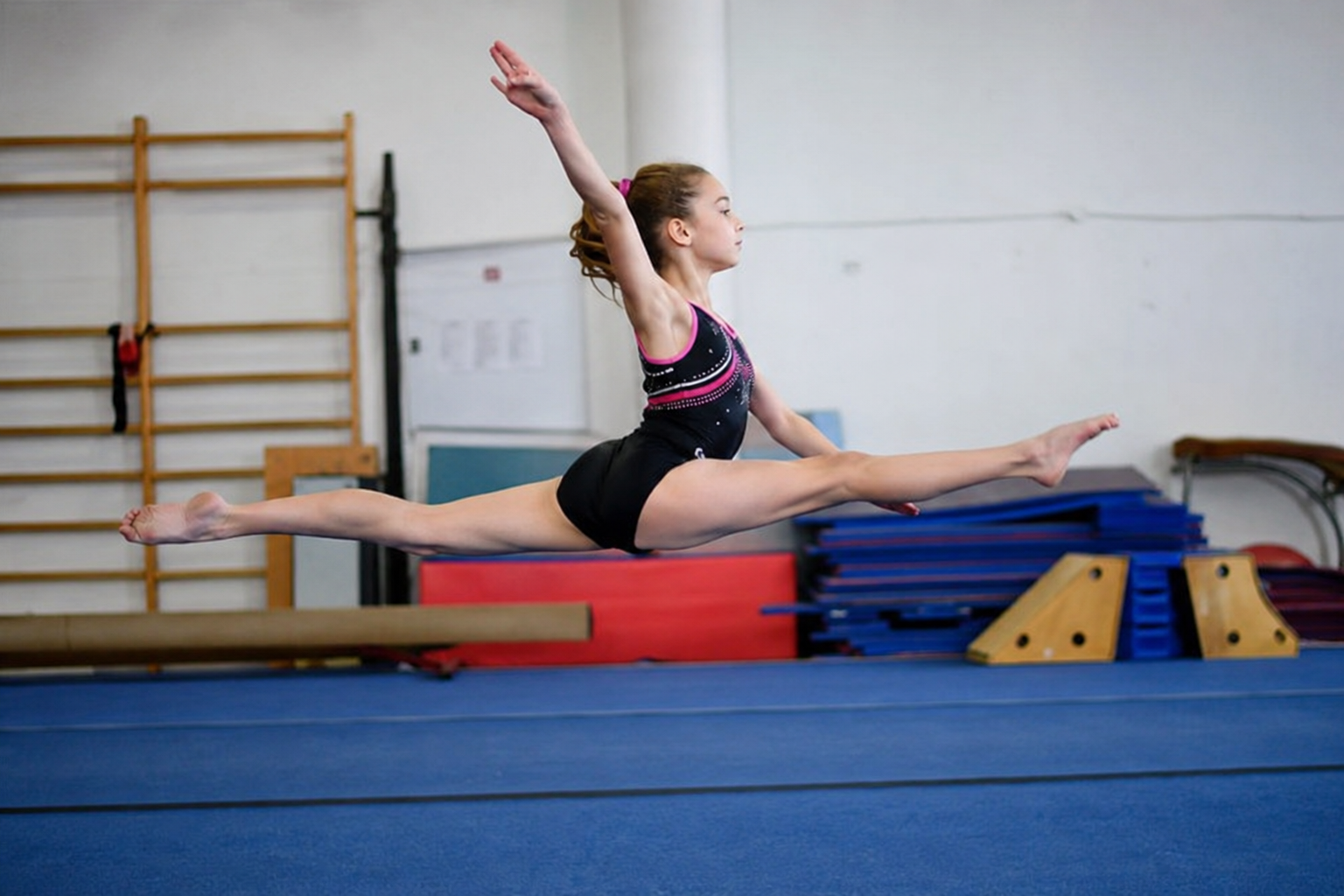
Gymnastics is one of the most exciting forms of exercise because it combines strength, flexibility, balance, coordination, and body control. Many people enjoy gymnastics as a sport, while others practice it as a way to stay active and improve their fitness. One common question among people who are interested in gymnastics is how many calories gymnastics can burn.
The number of calories burned during gymnastics depends on several factors. Your body weight, workout intensity, training duration, age, fitness level, and the type of gymnastics exercises you perform can all affect calorie expenditure. A light gymnastics session may burn fewer calories than an intense training session that includes tumbling, jumping, conditioning, and continuous movement.
How Many Calories Does Gymnastics Burn?
On average, gymnastics can burn around 180 to 500 calories per hour depending on the person and the intensity of the workout. A beginner performing basic gymnastics movements may burn fewer calories, while an experienced gymnast completing demanding routines and strength exercises may burn significantly more.
For example, a person who weighs around 125 pounds may burn approximately 180 to 300 calories during one hour of moderate gymnastics activity. Someone weighing around 155 pounds may burn approximately 220 to 370 calories, while a person weighing around 185 pounds may burn approximately 260 to 440 calories.
These numbers are general estimates rather than exact measurements. The actual number of calories burned during gymnastics can vary from one person to another.
What Determines Calories Burned During Gymnastics?
Several important factors influence how many calories you burn during gymnastics. Understanding these factors can help you estimate your energy expenditure more realistically.
Body Weight
Body weight plays an important role in calorie burning. People with higher body weight generally use more energy while performing physical activities because their bodies require more energy to move.
For example, two people may perform the same gymnastics routine for the same amount of time, but the person with greater body weight may burn more calories.
Workout Intensity
Workout intensity is another major factor. A relaxed session that focuses on stretching and basic movements will usually burn fewer calories than an intense workout involving tumbling, jumping, vaulting, floor exercises, and conditioning drills.
The harder your muscles and cardiovascular system work, the more energy your body typically uses.
Workout Duration
The longer you exercise, the more calories you are likely to burn. A 30 minute gymnastics workout will generally use less energy than a 60 minute workout.
However, longer workouts are not always better. Rest and recovery are important because gymnastics requires significant muscular control and coordination.
Type of Gymnastics
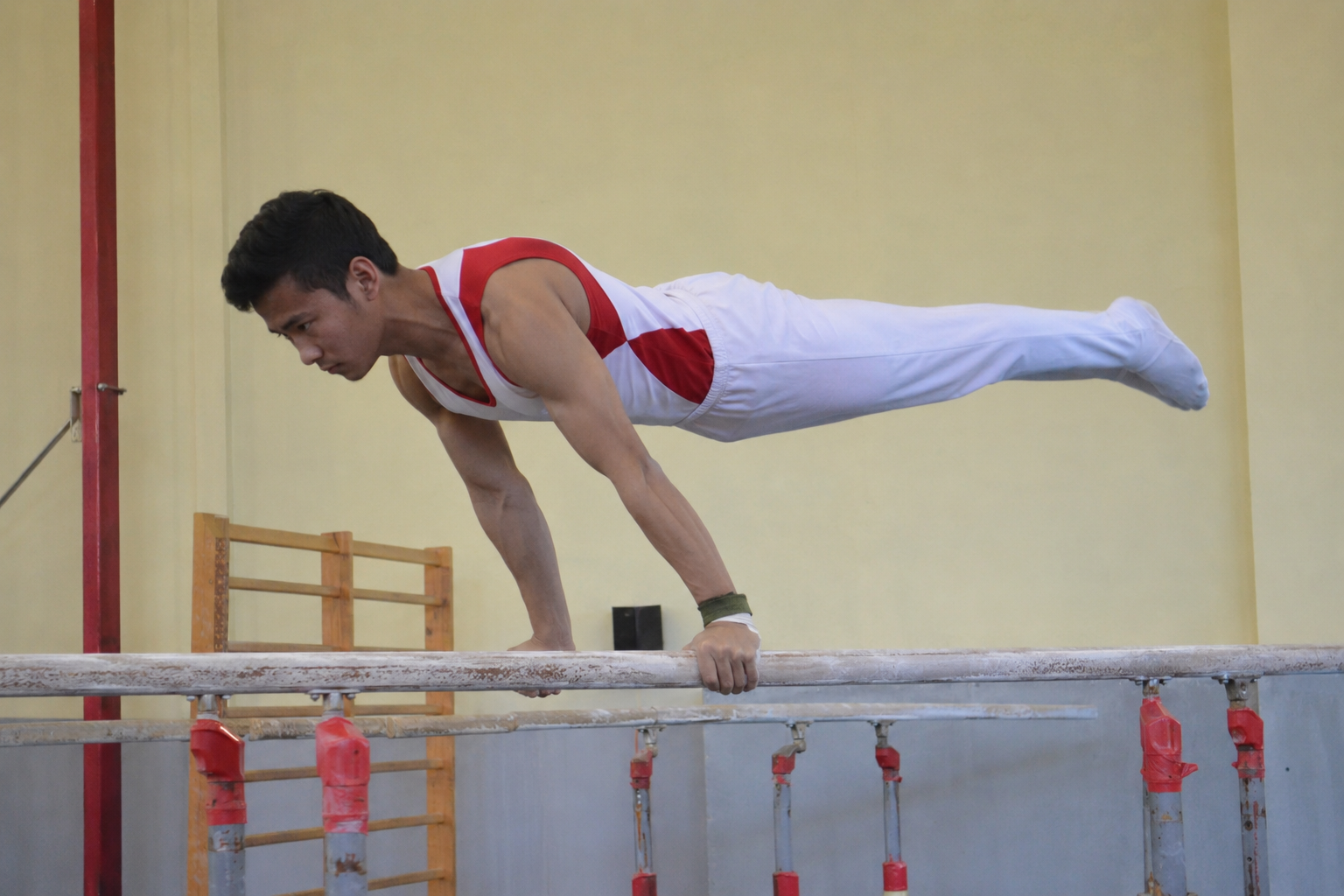
Different gymnastics activities require different levels of energy. Floor routines can involve continuous movement, jumps, turns, and tumbling. Vaulting requires powerful movements over a short period. Uneven bars and other apparatus work can require significant upper body strength.
Gymnastics conditioning exercises such as squats, lunges, push ups, jumps, planks, and core exercises can also increase calorie expenditure.
Calories Burned During Different Gymnastics Activities
Not every gymnastics activity burns calories at the same rate. Some exercises involve more continuous movement, while others require short bursts of power followed by rest.
Floor Exercises
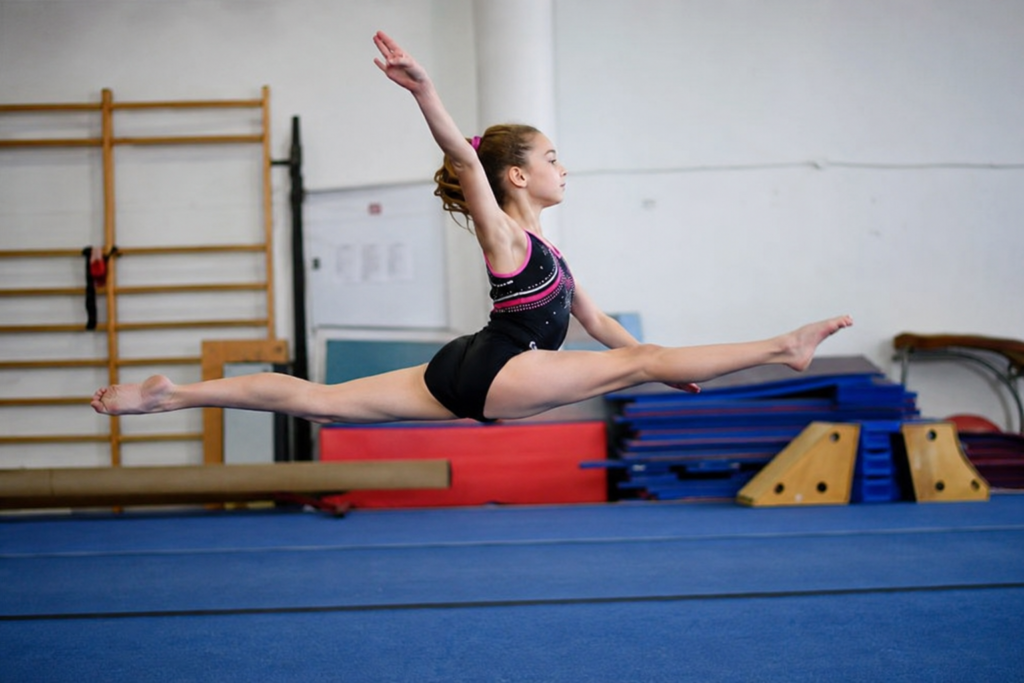
Floor gymnastics can provide a good full body workout. Running steps, jumps, rolls, handstands, cartwheels, and tumbling movements require energy from several muscle groups.
A moderately active floor gymnastics session may burn around 200 to 450 calories per hour depending on intensity and body weight.
Tumbling
Tumbling can be physically demanding because it involves explosive movements, jumping, running, and repeated body control. Advanced tumbling sessions can require significant strength and energy.
The number of calories burned during tumbling depends heavily on how much time is spent actively moving compared with resting between attempts.
Gymnastics Conditioning
Gymnastics conditioning is often designed to build strength and endurance. Exercises such as hollow body holds, leg lifts, push ups, squats, lunges, jumps, and core drills can make a workout more physically demanding.
A conditioning focused gymnastics workout may burn a substantial number of calories while also helping develop muscular strength.
Stretching and Flexibility Training
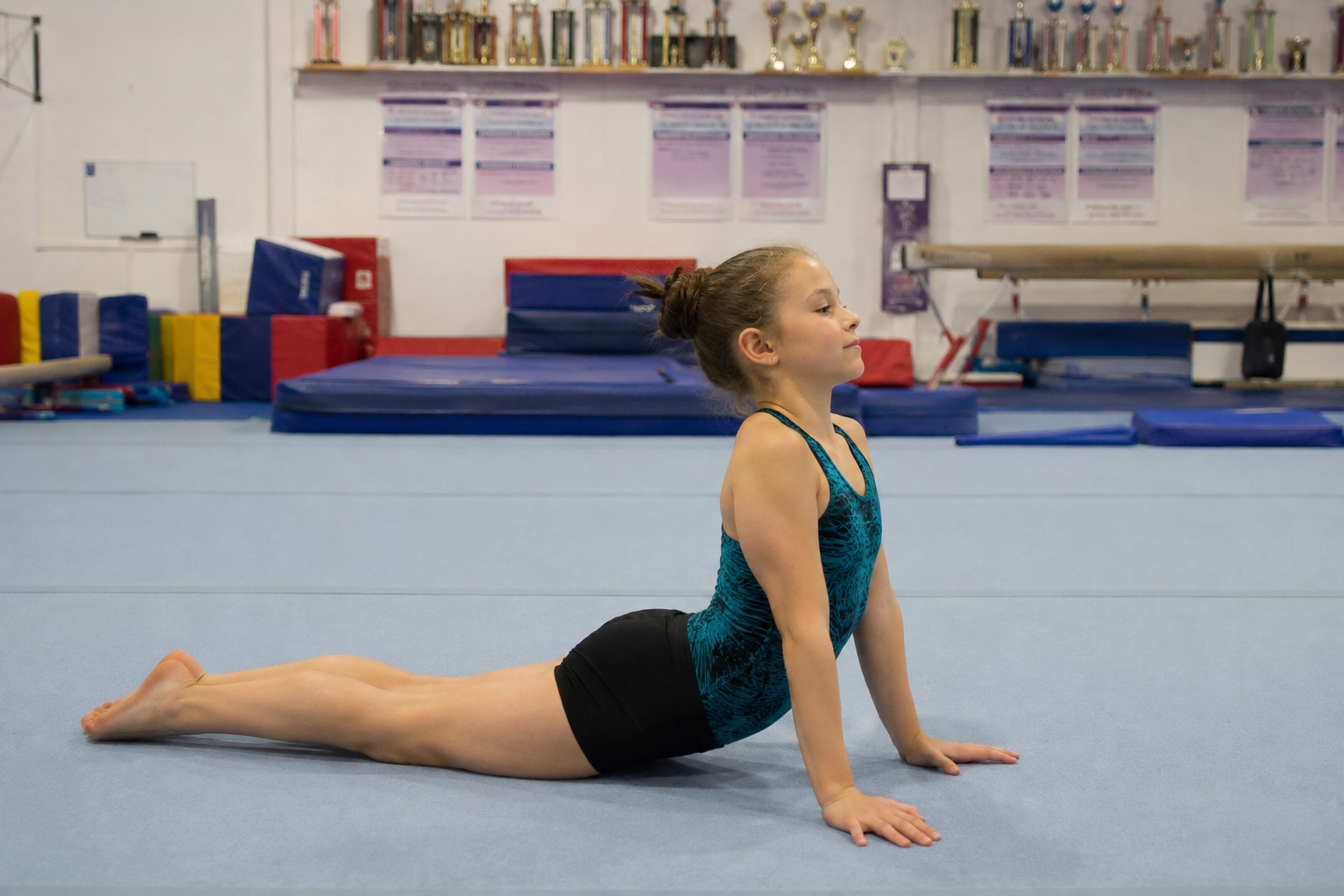
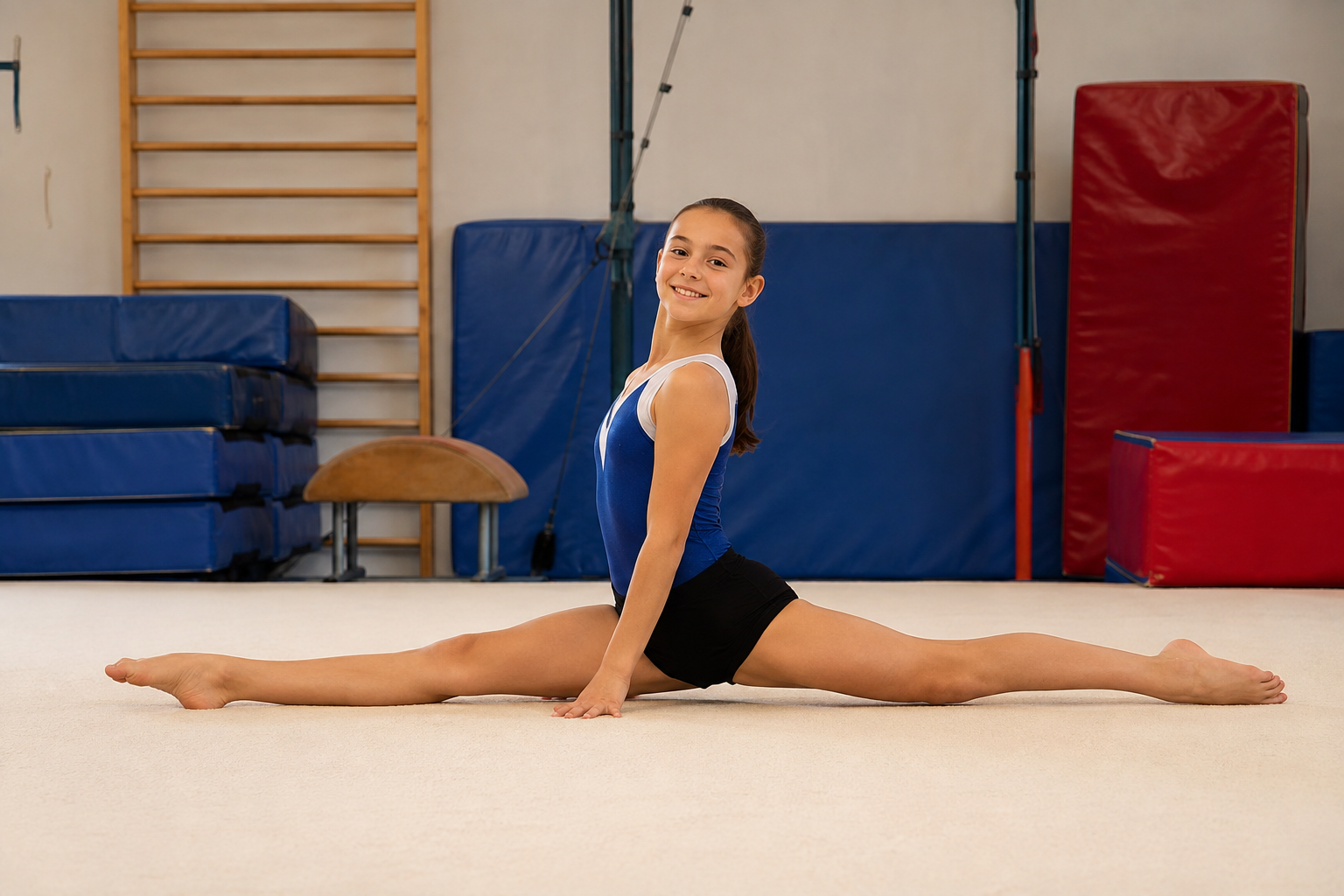
Stretching is an important part of gymnastics, but it usually burns fewer calories than active gymnastics movements. Flexibility exercises can improve range of motion and help gymnasts prepare their bodies for more demanding movements.
Although stretching does not burn a large number of calories, it still has an important role in a complete gymnastics training routine.
Is Gymnastics Good for Weight Loss?
Gymnastics can support weight management because it involves physical activity and can burn calories. However, weight loss depends on overall energy balance, eating habits, activity levels, sleep, and other lifestyle factors.
Gymnastics may be especially useful because it does more than simply burn calories. Regular training can help develop stronger muscles, better coordination, improved balance, flexibility, and body control.
Building muscle can also support a healthy and active lifestyle. Instead of focusing only on the number of calories burned, it is better to look at gymnastics as a complete fitness activity.
Does Gymnastics Burn More Calories Than Walking?
The answer depends on the speed, duration, and intensity of both activities. Casual walking generally uses less energy than a high intensity gymnastics workout. However, brisk walking for a long period may burn a similar amount of energy to a light gymnastics session.
Gymnastics usually includes more changes in movement and can involve strength exercises, jumping, balance work, and short periods of intense activity. This makes it a more varied form of exercise.
How to Burn More Calories During Gymnastics
If your goal is to increase calorie expenditure during gymnastics training, there are several healthy ways to make your workouts more active.
First, reduce unnecessary breaks when appropriate and safe. Moving from one exercise to another can keep your body active for longer.
You can also include more full body exercises such as jumping drills, squats, lunges, push ups, and core exercises. These movements use multiple muscle groups and can increase workout intensity.
Another useful approach is to gradually improve your endurance. As your fitness level increases, you may be able to perform routines with better control and less fatigue.
However, gymnastics should never become a competition to burn the highest number of calories. Proper technique, safety, recovery, and skill development should remain the main priorities.
Why Gymnastics Is More Than Calorie Burning
Calories are only one part of fitness. Gymnastics offers many benefits that cannot be measured simply by a calorie counter.
Regular gymnastics training can improve strength because gymnasts often use their own body weight for resistance. Movements such as handstands, holds, push ups, and climbing exercises require strong muscles.
Gymnastics can also improve flexibility. Regular stretching and controlled movement can help develop greater range of motion.
Balance and coordination are also important. Gymnasts must control their bodies while moving through different positions and directions. This can improve body awareness and movement skills.
Gymnastics can also improve cardiovascular fitness when training includes continuous movement, running, jumping, and conditioning exercises.
Can Beginners Burn Calories With Gymnastics?
Yes, beginners can burn calories through gymnastics even if they are not performing advanced skills. Basic movements such as jumping, balancing, rolling, crawling, squatting, stretching, and simple bodyweight exercises can provide physical activity.
Beginners should focus on learning proper technique rather than trying to perform difficult skills quickly. A qualified coach can help beginners choose exercises that match their ability level.
As fitness and confidence improve, the intensity of training can gradually increase.
How Long Should a Gymnastics Workout Last?
The ideal gymnastics workout length depends on age, fitness level, goals, and training experience. A beginner may start with shorter sessions and gradually increase training time.
A typical session may include a warm up, skill practice, strength exercises, flexibility training, and a cool down. Rest periods are also important, especially when learning demanding skills.
Instead of exercising for a specific number of minutes only to burn calories, focus on making each training session productive and safe.
Final Thoughts
So, how many calories does gymnastics burn? Gymnastics can burn roughly 180 to 500 calories per hour for many people, although the actual number varies according to body weight, workout intensity, training duration, and the type of gymnastics being performed.
The biggest advantage of gymnastics is that it provides much more than calorie burning. It can help improve strength, flexibility, balance, coordination, endurance, and body control. It can also make exercise more enjoyable because you are learning skills while staying physically active.
If your goal is weight management, gymnastics can be a useful part of an active lifestyle. Combine regular training with balanced nutrition, adequate recovery, and other forms of healthy physical activity for the best overall results.
Rather than worrying about exactly how many calories gymnastics burns, focus on consistency, proper technique, gradual improvement, and enjoying the process. Over time, these habits can help you become stronger, more flexible, and fitter while making gymnastics an enjoyable part of your daily life.